 Blaine Window
 Windows Built for Life on Birch Bay
Birch Bay sits right on the water, and that changes what a window has to put up with compared to a house a few miles inland in Blaine or Custer. Homes here face onshore wind, salt-laden air, and long stretches of gray, wet weather that don't let up for months at a time. Some of the housing stock in Birch Bay started as simple beach cabins and has been added onto or upgraded over the decades, while other homes are newer builds designed for year-round living. Either way, the windows are one of the first things to show wear from the local climate, and they're also one of the biggest levers homeowners have for comfort and energy costs.
We work on homes throughout Whatcom County, and Birch Bay's coastal exposure is its own category. This page walks through what actually happens to windows out here, how to tell when it's time to act, and what a straightforward replacement or repair project looks like.
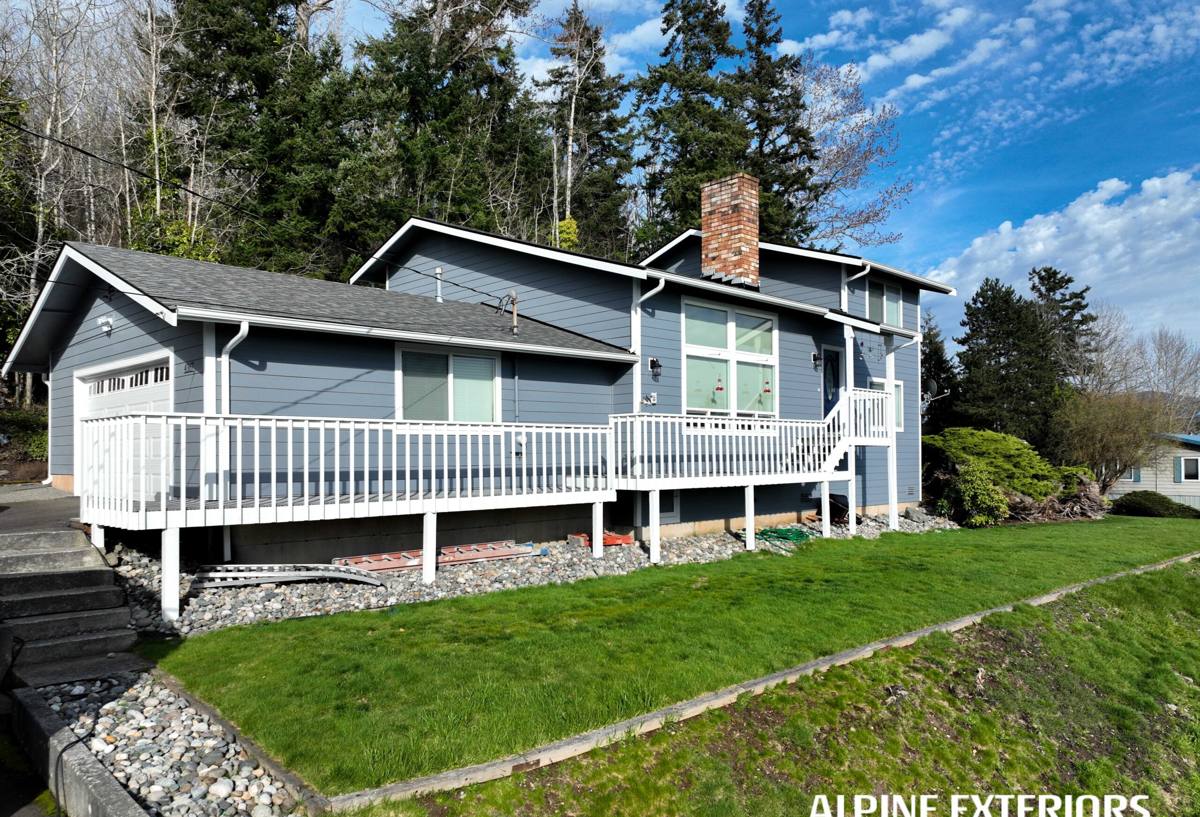
What the Coastal Climate Does to Windows
Salt Air and Hardware Corrosion
Salt-laden air is persistent in Birch Bay, and it doesn't just affect homes right on the beach — wind carries it inland across the whole community. Over time, salt exposure accelerates corrosion on window hardware: hinges, locks, cranks, and screws that aren't rated for coastal use can pit, seize up, or discolor years before they would in a drier, inland location. Aluminum frames and hardware are especially vulnerable unless they've been properly treated or coated for marine-adjacent conditions.
Driving Rain and Wind-Driven Water Intrusion
Storms coming off the water often bring rain sideways, not straight down. That matters because a window that would handle vertical rain just fine can still leak if it isn't properly flashed and sealed against wind-driven water. Old or failing caulking, worn weatherstripping, and outdated flashing details are common culprits we find when we're called out to investigate water stains around a window frame or soft trim.
Moss, Mildew, and a Long Wet Season
Birch Bay, like most of Whatcom County, goes through an extended moss season. Shaded, north-facing walls and anything under tree cover stay damp for long periods, which is exactly the environment moss and mildew need to take hold. Around windows, that moisture can creep into wood trim, sills, and casings, leading to soft spots, rot, and paint failure well before the glass or glazing itself gives out.
Temperature Swings and Condensation
Coastal proximity moderates temperatures somewhat, but cold snaps combined with high humidity indoors can still cause condensation to build up on older, single-pane or poorly sealed windows. Persistent condensation between panes is usually a sign the seal has failed and the insulating gas (or simple air gap) has been compromised.
Signs Your Windows Are Losing the Battle
Most window problems show themselves gradually, which is why they're easy to ignore until a bill arrives or a draft becomes impossible to overlook. Here's what we tell Birch Bay homeowners to watch for:
- Fogging or a hazy film between panes of double-pane glass (seal failure)
- Visible corrosion, stiffness, or discoloration on hinges, locks, and cranks
- Soft, spongy, or discolored wood around the frame or sill
- Drafts you can feel with a hand near the frame on a windy day
- Difficulty opening, closing, or locking a window that used to operate smoothly
- Visible gaps in caulking or weatherstripping that has cracked or pulled away
- A noticeable jump in heating costs without any other explanation
- Moss or dark streaking on trim and casings, especially on shaded sides of the house
Choosing Replacement Windows for a Salt-Air Environment
Not every window product is equally suited to a site like Birch Bay. The table below reflects general trade-offs we consider when advising homeowners here — actual pricing depends on size, style, and project scope, so treat these as relative comparisons rather than quotes.
| Frame Material | Coastal Performance | Maintenance | Relative Cost |
|---|---|---|---|
| Vinyl | Good resistance to corrosion and moisture; doesn't rot | Low — occasional cleaning | Lower |
| Fiberglass | Very good; stable in temperature swings, resists warping | Low | Mid to higher |
| Wood-clad | Attractive, but cladding must be intact to protect the wood core from moisture | Moderate to high depending on exposure | Higher |
| Aluminum | Prone to corrosion near salt air unless specifically coated | Moderate | Varies |
For homes closer to the water or with direct wind exposure, we generally steer clients toward vinyl or fiberglass frames with corrosion-resistant hardware. Wood-clad windows can still make sense for homeowners who want a specific look, but we're upfront that they demand more diligence about caulking and cladding integrity in this environment. We're not going to talk you out of a product you want — we just want you making that decision with the maintenance trade-offs in front of you, not after the fact.
Glass and Glazing Options
Double-pane, gas-filled glass is the standard baseline for this climate and handles most Birch Bay homes well. Triple-pane adds another layer of insulation and can be worth it for homes with a lot of window area facing prevailing wind and weather, but it also adds weight and cost, so it's worth discussing whether the added performance matches your specific exposure and budget. Low-E coatings help manage heat loss and glare without changing how the glass looks day to day.
Repair or Replace? How We Help You Decide
Not every window with a problem needs to be torn out. We look at a few factors before recommending replacement:
- Age of the window — older single-pane or early double-pane units often aren't worth extensive repair given their baseline inefficiency
- Extent of frame damage — surface corrosion or minor wood softening can often be repaired; rot that's spread through the frame usually can't
- Seal failure — a fogged seal on an otherwise sound frame can sometimes be addressed with a sash or glass unit replacement rather than a full window swap
- Whole-house consistency — if several windows are aging out around the same time, it's often more cost-effective to plan a phased or full replacement than to keep patching one at a time
We'll always tell you honestly when a repair will genuinely hold up versus when it's a short-term patch on a window that's on borrowed time.
How We Approach a Window Project
Every project starts with an on-site look at the actual conditions — sun exposure, wind direction, existing water intrusion, and the condition of the surrounding siding and trim, since windows don't function in isolation from the rest of the exterior. From there:
- We assess each window individually rather than assuming a blanket solution for the whole house
- We recommend frame materials and glazing suited to that specific wall's exposure
- We install with attention to proper flashing and sealing details for wind-driven rain, not just a caulk bead around the trim
- We check that surrounding siding and trim are sound before closing up the opening, since installing a good window into rotten framing doesn't solve the underlying problem
Why a Local Crew Matters Out Here
A contractor who mainly works drier, inland jobs may not think twice about hardware grade, flashing detail, or how much wind-driven rain a particular wall sees in a Birch Bay winter. Working throughout Whatcom County, including Blaine and the surrounding coastal areas, means we see the same salt air, moss, and storm patterns repeatedly, and we build our recommendations around what actually holds up here rather than a generic approach. It also means we're not far away if a question comes up after the work is done.
Windows Are Part of a Bigger Picture
Windows don't fail in isolation — the same coastal exposure that wears on frames and hardware also affects siding, roofing, and decking. If you're already looking at window issues, it's worth having trim, siding, and roof edges near those windows checked at the same time, since a small gap or moisture point in one system often shows up as a problem in another down the line. As a full exterior contractor, we can address windows alongside siding, roofing, or deck work in a single visit rather than requiring separate specialists and separate trips.
Get an Honest Look at Your Windows
If you're noticing drafts, fogged glass, sticky hardware, or trim that's starting to soften around your windows, it's worth getting an honest assessment before the next storm season. We offer free, no-pressure estimates for Birch Bay homeowners — use the form below to get started.