 Blaine Window
 Windows Built for Lynden's Wet Whatcom County Climate
Lynden sits inland from us here in Blaine, tucked into the Nooksack River valley a few miles south of the Canadian border, but the weather that shapes window performance in Whatcom County doesn't stop at the city line. The same marine-influenced system that soaks Blaine with driving rain and long stretches of gray, humid air moves through Lynden too, just with a slightly different character — more agricultural valley humidity, less direct salt exposure, but no shortage of moisture working its way into window frames, sills, and trim over the course of a wet Pacific Northwest year.
We're a Blaine-based crew, and Lynden is well within our regular service area. We're not a call center dispatching a subcontractor from three counties over. When we quote a window job in Lynden, it's the same people who show up, install, and stand behind the work.
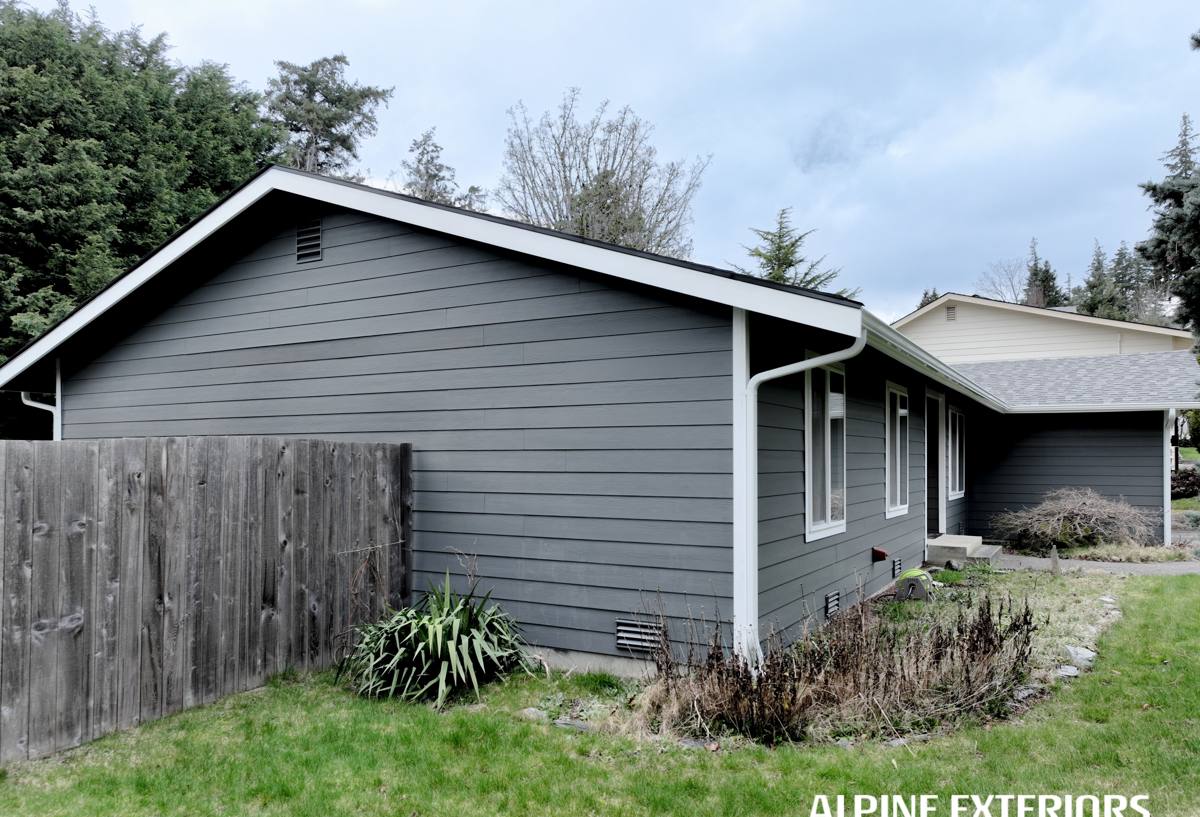
What Lynden Homes Face Year-Round
Whatcom County doesn't get dramatic weather so much as relentless, patient weather. That's what wears out windows here, not any single storm.
Persistent moisture
Rain that falls in a mist for days at a time finds its way into every gap, especially around older or poorly flashed window openings. Over years, that slow intrusion rots wood sills, corrodes hardware, and fogs up insulated glass units whose seals have failed.
Moss and organic growth
Whatcom County's long moss season isn't just a roof and siding problem. Moss and algae readily take hold on north-facing window trim, sills, and any horizontal surface that stays damp and shaded, which accelerates wood decay and traps moisture against the frame long after the rest of the house has dried out.
Temperature swings and condensation
Lynden's inland valley setting means slightly wider temperature swings than coastal Blaine — colder winter mornings, warmer summer afternoons. Combined with high indoor humidity from cooking, showers, and modern tight construction, older single-pane or failed-seal windows fog up and sweat, which over time damages sills and nearby drywall.
Wind-driven rain
Storms coming off the Strait of Georgia and down the valley push rain sideways into window assemblies. Flashing and sealant details that were adequate decades ago often aren't enough for how weather actually behaves here now.
Signs Your Windows Are Losing the Battle
Most homeowners don't think about their windows until something's visibly wrong. By then, the moisture damage is often already into the framing. Here's what we tell Lynden homeowners to watch for:
- Fog, haze, or visible moisture between the panes of double-pane windows (a failed seal, not cleanable)
- Soft, spongy, or discolored wood at the sill or bottom corners of the frame
- Windows that are hard to open, close, or lock — frames can swell and warp with moisture cycling
- Visible gaps between the window frame and the siding or trim
- Moss, algae, or black staining building up on horizontal trim ledges
- A noticeable draft or cold spot near the window even when it's fully closed
- Rising heating bills without any other clear explanation
- Condensation forming on the inside of the glass regularly in cold weather
Any one of these on its own might not mean much. Two or three together, especially on the same window, usually means it's time for a real look rather than another caulk-and-hope patch job.
Window Options We Install
There's no single "best" window for every Lynden home — it depends on your home's age, your budget, and how the existing openings are framed. Here's how the common options stack up for this climate:
| Frame Material | Moisture Performance | Maintenance | Typical Fit |
|---|---|---|---|
| Vinyl | Won't rot; handles constant damp well | Low — occasional cleaning | Most replacement projects, budget-conscious remodels |
| Fiberglass | Excellent; very stable in temperature and moisture swings | Low | Homeowners wanting long-term durability, willing to pay more upfront |
| Wood (unclad) | Vulnerable without disciplined upkeep in this rainfall | High — repainting, sealing, sill inspection | Historic homes where matching original trim matters most |
| Wood-clad (aluminum or vinyl exterior) | Good — exterior shell protects the wood core | Moderate | Homeowners who want a wood interior look with better exterior protection |
We'll walk through what's actually on your house before recommending anything — a lot of Lynden homes have a mix of window ages and styles from different remodels over the years, and the right answer for one opening isn't always the right answer for the next one.
Why We're Careful About Bare Wood Frames in This Climate
We still install and repair wood windows, and there are good reasons to want them — historic character, a specific look, matching existing trim. But we're upfront with Lynden homeowners about the trade-off: unclad wood in a climate with this much sustained moisture and this long a moss season needs real maintenance discipline. Paint has to be kept intact, sills need periodic inspection, and any nick in the finish is an opening for water to start working into end grain.
That's not a knock on wood as a material — it's a statement about what upkeep it demands here specifically. If you want the wood look without signing up for a repainting schedule, wood-clad options give you that interior warmth with a weather-facing shell that isn't relying on paint film alone to keep water out. We'll tell you honestly which route fits how much maintenance you actually want to do, rather than steering you toward whatever's easiest for us to install.
Full-Frame Replacement vs. Insert Replacement
Once you've decided to replace a window, there's a second decision that matters just as much as frame material: how the new window goes into the existing opening.
- Insert (pocket) replacement — the new window fits inside the existing frame. Faster, less disruptive to interior and exterior trim, generally lower cost. Works well when the existing frame is still structurally sound and dry.
- Full-frame replacement — the old frame comes out entirely, down to the rough opening. Necessary when there's rot, water damage, or out-of-square framing. Costs more and takes longer, but it's the only way to actually fix a moisture problem that's already reached the framing rather than sealing it back up behind a new window.
We won't sell you an insert replacement over a window with a rotted sill just because it's the cheaper, faster job. If the frame underneath is compromised, we'll say so, and explain why a full-frame replacement is the honest fix rather than a way to pad the invoice.
The Full-Exterior Advantage
Windows don't fail in isolation. A leaking window often points to a flashing or siding detail nearby that's letting water in, and a roof with a moss problem is usually sending runoff down onto trim and window heads below it. Because Blaine Window Co handles siding, roofing, windows, and decks, we look at the whole envelope of your Lynden home rather than treating a window replacement as disconnected from what's happening a few feet away on the wall or roofline.
Practically, that means: if we're at your house replacing a window and we notice compromised siding or a roof-to-wall flashing issue feeding the problem, we'll tell you, instead of quietly reinstalling a new window into the same water path that damaged the last one.
Why a Local Blaine Crew Matters for Lynden
Whatcom County's weather isn't generic Pacific Northwest weather — it has its own rhythm shaped by the Strait, the Nooksack valley, and the border-region microclimate. A crew that works this area regularly recognizes the difference between normal seasonal window swelling and an actual moisture problem, and knows which details matter on an older Lynden farmhouse versus a newer build in a subdivision.
Being local also means we're not disappearing after the install. If a question comes up six months or two winters later, we're a short drive away, not a call center routing you to whichever crew is available next.
Our Process, Start to Finish
- Free on-site assessment — we look at the actual windows and openings, not just take measurements off a photo
- Honest recommendation on repair, insert replacement, or full-frame replacement based on what we find
- Clear, itemized estimate before any work starts
- Installation with attention to flashing and sealing details suited to this climate, not just the window unit itself
- Cleanup and a final walkthrough so you know what was done and why
If your Lynden home has windows that are fogging, sticking, drafting, or just showing their age, we're happy to take a look and give you a straight answer — no pressure, no upsell. Reach out for a free estimate using the form below and we'll get a local crew out to walk the property with you.