 Blaine Window
 Custom Windows for Birch Bay's Coastal Exposure
Birch Bay sits right on the water in northern Whatcom County, and homes here take a steadier dose of salt-laden air and wind-driven rain than houses set even a few miles inland. Windows are one of the first places that exposure shows up — seals fail earlier, frames corrode or swell faster, and glass that isn't rated for the wind loads this stretch of coastline sees can flex and leak long before a homeowner expects a problem. A window that performs fine in a sheltered neighborhood can underperform noticeably once it's facing open water in Birch Bay.
Custom windows here means more than picking a style and a size. It means choosing frame material, glazing, and installation details that actually hold up to salt air, driving rain, and a moss season that runs most of the year, rather than installing whatever product line happens to be in stock. This page covers what Birch Bay homes need from their windows, what a correct installation involves, and how our process works for a custom window project in this specific part of the county.
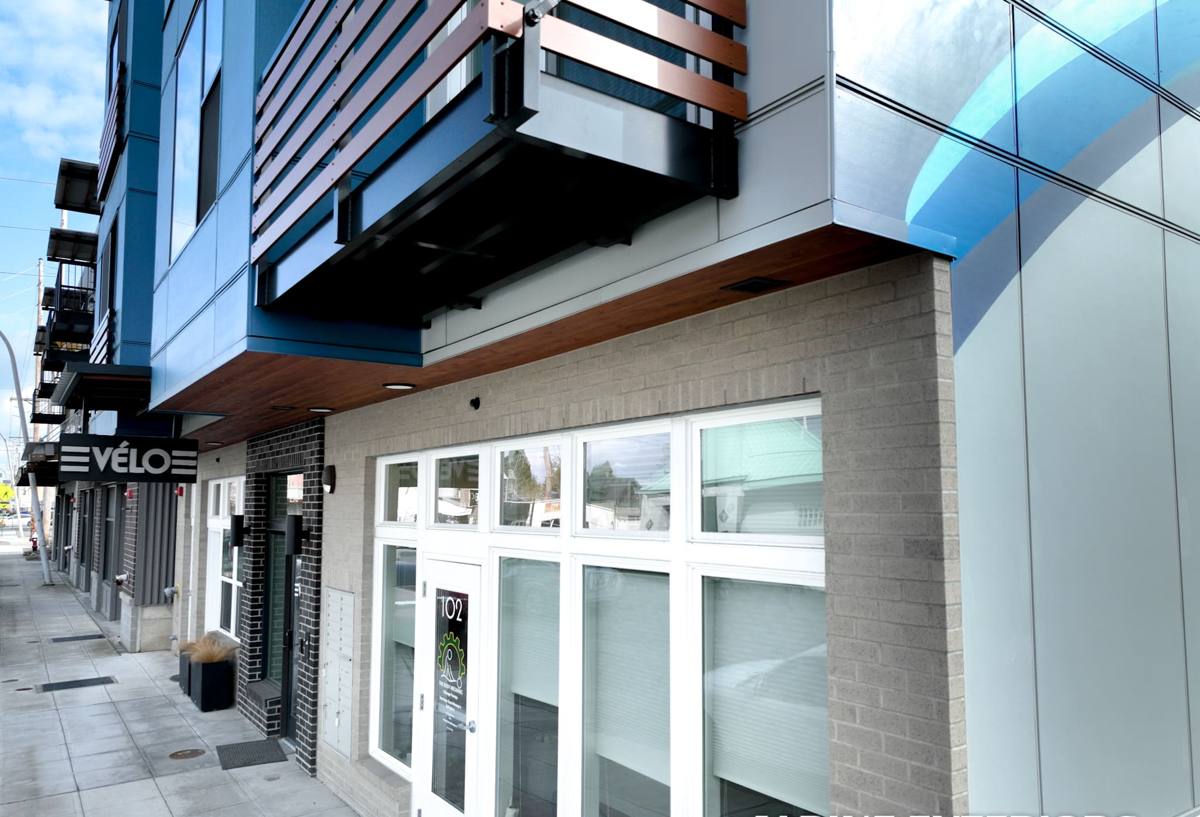
What Birch Bay's Climate Does to Windows
Salt Air Off the Water
Salt-laden air corrodes exposed metal — hardware, hinges, weep system components, and lower-quality frame reinforcements — faster in Birch Bay than it does further inland. Corrosion in a window's moving hardware doesn't always show up as rust you can see right away; often the first sign is a window that gets harder to open and close, or a lock that no longer seats cleanly. By the time that's obvious, the hardware underneath has usually been degrading for a while.
Driving Rain and Wind Loads
Storms coming off the water push rain sideways into window assemblies, not just straight down onto the glass. That wind-driven pattern tests the seal around the frame and the flashing behind it far more than a still-air rain does, and it's also why wind load rating matters more for a home facing open water than for one tucked further back from the shoreline. A window that isn't rated and installed correctly for that exposure can develop air and water infiltration around the frame edges well before the glass itself shows any wear.
A Moss and Mildew Season That Runs Long
Mild temperatures and near-constant moisture give moss, algae, and mildew a long growing season in Birch Bay, and window sills, tracks, and exterior trim are common places it takes hold. Shaded elevations and north-facing windows are usually first to show it. Any frame material or sill detail that traps water instead of shedding it gives that growth a head start.
Choosing the Right Window Frame Material for This Climate
Frame material choice matters more on a Birch Bay property than it would in a drier, more sheltered part of the county, because the gap in performance between a well-suited product and a poorly-suited one shows up faster here. The main categories homeowners weigh are vinyl, fiberglass, and wood or wood-clad.
Vinyl
Modern vinyl windows are a solid, cost-effective option for coastal exposure — they don't corrode, and quality lines use welded corners and reinforced frames that hold up well to wind-driven rain. The trade-off is that vinyl expands and contracts more with temperature swings than fiberglass, which over many years can affect seal performance, so corner welds and reinforcement quality matter more here than in a milder climate.
Fiberglass
Fiberglass frames expand and contract at close to the same rate as glass, which helps seals hold up over time, and the material itself doesn't corrode or rot. It typically costs more than vinyl but for a home with sustained direct water exposure, some homeowners find the added dimensional stability worth it, particularly on larger window units where seal integrity matters most.
Wood and Wood-Clad
Wood-frame and wood-clad windows can look excellent and are still a fit for certain home styles, but bare wood needs consistent sealing or painting to hold up against sustained coastal moisture, and even clad versions have exposed wood at the interior or at cut points that need attention. In a salt-air, high-moisture environment like Birch Bay, wood is usually the highest-maintenance option of the three, and that maintenance burden is worth being honest about upfront rather than after the sale.
| Frame Material | Handling Salt Air & Moisture | Seal Stability Over Time | Upkeep |
|---|---|---|---|
| Fiberglass | Excellent — no corrosion, doesn't absorb moisture | Strong — expands/contracts close to glass rate | Occasional cleaning |
| Vinyl (quality line) | Strong — no corrosion, weep systems shed water well | Good with reinforced, welded corners | Occasional cleaning |
| Vinyl (budget line) | Moderate — thinner walls, weaker corner welds | Fair; more prone to seal wear over time | Occasional cleaning |
| Wood-clad | Moderate — exposed wood at cuts/interior needs upkeep | Good when maintained | Regular sealing or painting |
| Bare wood | Weak against sustained salt and moisture without upkeep | Fair when sealed regularly | Regular sealing or painting |
Glazing and Hardware for Coastal Wind Exposure
Frame material is only part of the equation on a waterfront-adjacent property. Glazing package and hardware grade matter just as much for a Birch Bay home.
- Dual or triple-pane glazing rated for the wind loads this exposure sees, not a generic residential rating pulled from an inland spec sheet
- Low-E coatings that help with year-round comfort and reduce UV fade on interior finishes, which matters on windows that get long, direct exposure off the water
- Corrosion-resistant hardware — stainless steel or coated components — on locks, hinges, and balance systems rather than standard hardware that starts corroding within a few seasons
- Functioning weep systems that actually drain wind-driven rain back out of the frame instead of letting it pool at the sill
- Reinforced meeting rails and multi-point locking on larger units, which resist flex and air infiltration better under sustained wind
What a Correct Installation Involves Here
The window unit itself gets most of the attention when homeowners think about a replacement, but in Birch Bay's climate, the flashing and sealing details around it are what actually determine whether water stays out. A correct installation for this location includes:
- Removing old flashing and sealant fully rather than sealing over degraded material, so the new assembly isn't built on a compromised base
- Installing proper flashing tape and drainage planes that direct wind-driven rain away from the wall assembly, not just around the window frame
- Sealing and insulating the gap between the window unit and the rough opening completely, since gaps here are where air and moisture infiltration actually start
- Setting the unit level and square so hardware, locks, and weep systems all function the way they're designed to
- Finishing exterior trim and sill details so water sheds away from the opening instead of collecting against it
What Your Windows Still Need From You
Even a well-installed window in the right material needs some routine attention in this climate to perform for its full lifespan. A short list worth keeping in mind:
- Rinse exterior frames and glass periodically to clear salt residue before it works into seals, hardware, and finishes
- Keep weep holes and tracks clear of debris so water and airflow move the way the design intends
- Check locks, hinges, and balance hardware once a year for early corrosion or stiffness, especially heading into the wet season
- Clean sills and tracks to stay ahead of moss and mildew buildup on shaded or north-facing windows
- Have any soft trim, bubbling paint, or interior staining around a window looked at right away — those are early signs of a seal or flashing issue, not cosmetic wear
How Our Process Works
We start with a site visit to look at what's actually there — existing window condition, framing and flashing state if it's a replacement, sun and wind exposure through the day, and how directly the home faces the water. From there we talk through frame material and glazing options that fit the budget and how each room actually gets used, since a bedroom facing prevailing wind has different priorities than a sheltered interior room.
Permitting in Whatcom County generally follows standard requirements for window replacement and structural openings, and we handle that as part of the job. Once scheduled, installation follows the sequence above — full removal of old flashing and sealant, proper drainage plane and flashing tape installation, careful setting of the new unit, and finished trim work that sheds water correctly. We finish with a walkthrough covering what the specific product you chose actually needs going forward, which for a quality modern window is minimal, but not nothing.
Why It Matters That We Already Work Birch Bay
A crew that mostly installs windows further inland can still do a competent job, but a Birch Bay project has variables that don't come up as often elsewhere in Whatcom County — corrosion-grade hardware requirements from sustained salt exposure, wind load considerations tied to direct water exposure, and a moss and mildew season that runs longer here than in more sheltered towns. Working this area regularly means we're not guessing at those requirements on your project. We've seen which frame materials and glazing packages actually hold up against Birch Bay's specific combination of salt air, driving rain, and moss, and which upgrades are worth the extra cost versus which are just an upsell.
That familiarity also shows up in the smaller judgment calls — how to orient priorities across a home's different elevations based on which side actually takes the weather, or being straightforward about what windows here realistically need to last versus what's just marketing.
Get a Straight Answer About Your Windows
Whether you're replacing tired, drafty windows, planning a full custom window package for a Birch Bay home, or just want an honest read on what your current windows actually need, we're happy to walk the property with you and lay out the options plainly. Reach out below for a free, no-pressure estimate.