 Blaine Window
 Why Birch Bay Windows Wear Out Differently
Birch Bay sits right on the water, and that changes what a window has to survive year after year. Salt-laden air corrodes exposed hardware and aluminum components faster than it would a few miles inland. Wind-driven rain off the bay finds its way into gaps that would stay dry on a more sheltered lot. And the long, damp stretch of fall through spring that Whatcom County sees every year keeps wood trim and sills wet enough, long enough, for moss and mildew to take hold if a window isn't sealing the way it should.
None of that means Birch Bay homes need exotic materials or a different kind of window than the rest of Blaine. It means the installation has to account for exposure that a lot of national window crews never think about — because they don't work this shoreline every week. The window itself matters less than whether it was flashed, sealed, and fitted correctly for a house that takes wind and salt spray on a regular basis.
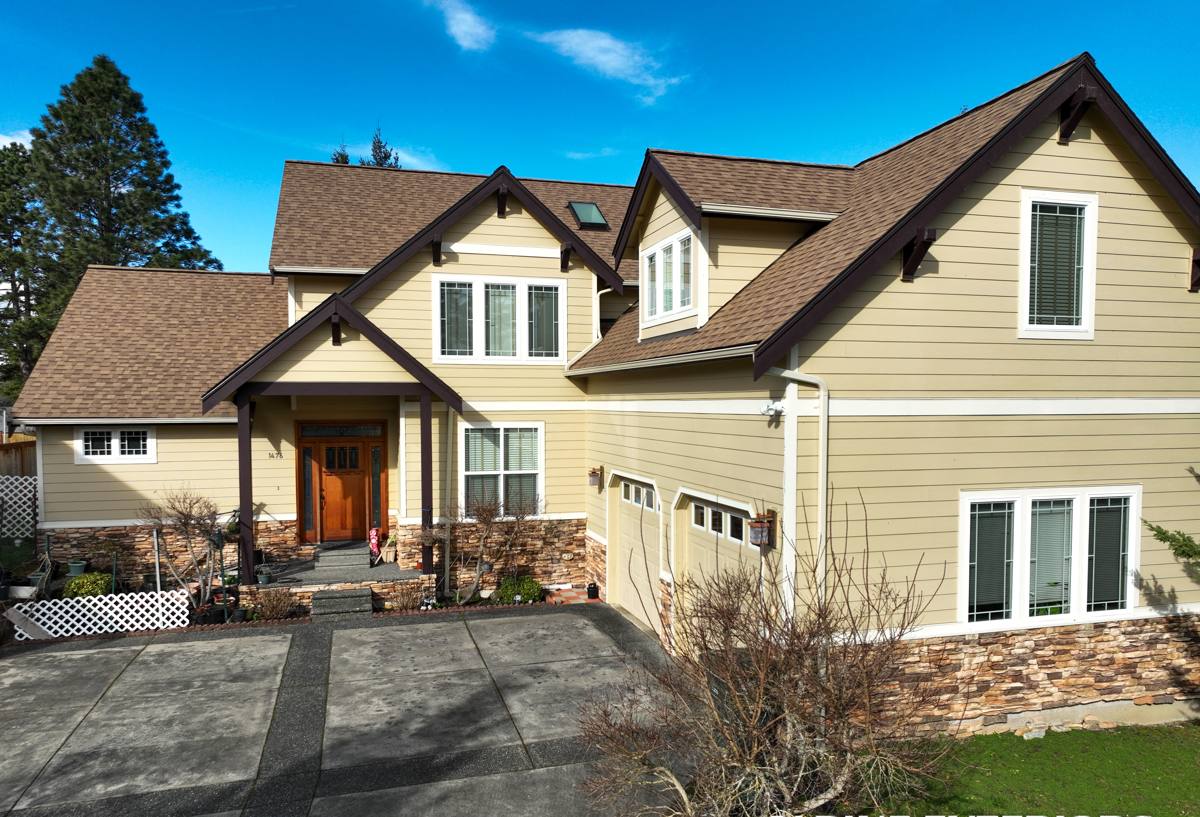
Signs a Birch Bay Home Needs Window Replacement, Not Just a Repair
Not every problem window needs full replacement. But there are a handful of signs that point past caulk and weatherstripping toward a real replacement job:
- Fogging or a permanent haze between panes — the seal has failed and the gas fill is gone
- Soft or discolored wood at the sill or bottom corners, especially on walls facing the water
- Visible daylight or a draft you can feel at the frame when wind is blowing off the bay
- Hardware (locks, cranks, hinges) that's pitted, seized, or corroded rather than just stiff
- Moss or dark streaking building up on the sill or frame year after year despite cleaning
- Windows that are noticeably harder to open and close than they were a few years ago
A quick way to think about it: repair fixes a single failed part, replacement is warranted when the frame, seal, and glass unit are failing together. If you're only seeing one of these signs on one window, it may just need service. If you're seeing several across the house, that's usually a sign the original installation or the units themselves are past their useful life.
What a Correct Window Replacement Job Actually Involves
Removal and Opening Inspection
The old window comes out carefully so we can see the condition of the rough opening underneath — the framing, the sheathing, and any existing flashing. This is the point where hidden moisture damage shows up, and it's far cheaper to deal with a soft header or rotted sill plate now than to seal a new window over a problem that's still there.
Flashing and Weatherproofing
This is the step that matters most in a place like Birch Bay. Proper flashing directs any water that gets past the exterior finish back out, not into the wall cavity. That means correctly lapped flashing tape at the sill and jambs, a sloped sill pan so water can't pool under the frame, and integration with the existing house wrap or siding so there's no gap for wind-driven rain to exploit. Skipping or rushing this step is the single most common reason a "new" window ends up with rot problems a few years later.
Setting, Shimming, and Fastening
The window has to be plumb, level, and square in the opening, shimmed so it isn't relying on the fasteners to hold its shape, and fastened per the manufacturer's schedule — not just a few screws wherever it's convenient. A window that's slightly out of square will bind, won't seal evenly, and will wear its hardware and weatherstripping faster.
Sealing and Trim
Interior and exterior sealant, backer rod where gaps call for it, and trim work finish the job. On the exterior, we pay attention to whether caulk alone is being asked to do a job that flashing should be doing — caulk is a maintenance item, not a substitute for correct flashing, and any installer who leans on it too heavily is setting the homeowner up for a callback in a few winters.
Frame Material Comparison for Coastal Exposure
Every frame material handles salt air, moisture, and UV differently. None of them is wrong for Birch Bay — but each comes with trade-offs worth knowing before you choose.
| Material | Coastal Performance | Maintenance | Trade-offs |
|---|---|---|---|
| Vinyl | Good — won't rust or rot, handles moisture well | Low — occasional cleaning | Can look less premium; color choices are limited compared to painted materials |
| Fiberglass | Very good — stable in temperature swings, resists moisture | Low | Higher upfront cost than vinyl |
| Aluminum | Weaker in salt air — prone to pitting and corrosion over time without upgraded finishes | Moderate to high near the water | We're cautious recommending standard aluminum this close to the bay |
| Wood / wood-clad | Fair — needs the exterior cladding or finish to be doing its job | High — repainting, sealing, and inspection are ongoing commitments | Best appearance option, but the maintenance burden is real on a waterfront-adjacent lot |
Our general standard for homes this close to the water is vinyl or fiberglass for most replacements, because they hold up with the least ongoing maintenance. We'll still install wood-clad units when a homeowner wants that look and understands the upkeep — it's a legitimate choice, just one that asks more of the owner over time.
How Our Process Works
- Walkthrough and assessment — we look at every window being considered, check the openings, and note any signs of moisture damage before quoting anything
- Honest recommendation — replacement where it's warranted, repair where that's genuinely the better call for your budget
- Written estimate — materials, scope, and timeline spelled out, no surprise add-ons once work starts
- Removal and opening prep — old units out, openings inspected and repaired if needed before anything new goes in
- Installation — flashing, setting, shimming, and sealing done to the standard described above
- Final check — operation, seal, and cleanup confirmed with you before we call it done
What Drives the Cost
Every house is different, but the same handful of factors move the price up or down on most Birch Bay jobs:
| Factor | Why it matters |
|---|---|
| Number and size of windows | Larger units and full-house jobs get better per-window pricing than one-offs |
| Frame material | Vinyl is typically the most affordable; fiberglass and wood-clad cost more upfront |
| Condition of the rough opening | Rot or moisture damage found during removal adds repair work before the new unit goes in |
| Access and wall height | Second-story or hard-to-reach windows take more time and equipment |
| Trim and interior finish work | Matching existing trim or doing interior paint/stain adds labor beyond the window swap itself |
We won't quote a number without seeing the openings, but we're happy to give a realistic range on a walkthrough so you're not guessing.
Why a Crew That Already Works Birch Bay Matters
A lot of what separates a window installation that lasts from one that doesn't isn't the product — it's whether the installer understands the specific conditions the house sits in. A crew based in Blaine and working Whatcom County regularly already knows how exposed a given stretch of Birch Bay is to wind off the water, what kind of flashing detail holds up through a wet Pacific Northwest winter, and how to sequence a job around our weather instead of guessing at it. That's not something you can hand off to a crew that flies in from out of the area for a few days and moves on.
It also means someone local is answerable if a question comes up after the job is done — not a call center, an actual crew that knows your house and your street.
Maintaining New Windows in a Salt-Air Climate
A correctly installed window still benefits from basic upkeep, especially this close to the water:
- Rinse frames and hardware periodically to clear salt residue, especially on bay-facing sides
- Clean weep holes and sills so moss and debris don't build up and trap moisture
- Check exterior caulk annually and touch up before it fully fails, not after
- Operate locks and cranks through their full range a few times a year to keep hardware from seizing
- Watch for early signs of trim discoloration and address it before it spreads
None of this is heavy maintenance — it's the kind of seasonal check that keeps a properly installed window performing for its full lifespan instead of fighting the marine environment on its own.
If you're seeing drafts, fogging, or sticking windows on your Birch Bay home, we're glad to take a look. The estimate is free, there's no pressure to sign anything on the spot, and you'll get a straight answer about whether you need replacement or just a repair. The form below is the easiest way to get on our schedule.