 Blaine Window
 Exterior Contractors Serving Sumas, Washington
Sumas sits at the north edge of Whatcom County, tucked against the Nooksack River valley and the Canadian border. It's a different setting than the open coastline, but the exterior of a home here takes on plenty of its own punishment: long stretches of damp weather, valley humidity that lingers longer than it does on higher ground, and the kind of freeze-thaw swings that come with cold air settling into a river valley in winter. Add in the region's marine-influenced weather systems moving through from the Sound, and you get a climate that's genuinely tough on siding, roofing, windows, and decks year after year.
Blaine Window Co works across Whatcom County, and Sumas is part of our regular service area. We're not a national franchise sending out whoever's available that week — we're a local crew that shows up, looks at the actual condition of your home, and gives you a straight answer about what needs to happen and what can wait.
What This Climate Does to a Home Over Time
Every exterior material eventually shows wear, but the timeline and the failure pattern depend heavily on local conditions. In Sumas and the surrounding Whatcom County lowlands, the main culprits are moisture and biological growth, not heat or sun damage.
Moss and Algae
Long wet seasons with limited direct sun on north-facing walls and roof slopes create ideal conditions for moss and algae. Left alone, moss holds moisture against a surface far longer than open air would, which accelerates rot in wood trim, breaks down shingle granules, and can work its way under siding laps.
Driving Rain and Wind-Driven Moisture
Wind off the coast and through the valley doesn't just drop rain straight down — it pushes it sideways into wall assemblies, window frames, and door thresholds. Homes with poor flashing details or aging caulk lines are the first to show water intrusion, usually as staining, soft trim, or peeling paint near seams.
Freeze-Thaw Cycling
Winters here aren't brutally cold, but they do dip below freezing regularly, especially overnight in the valley. Water that's worked its way into a crack, a gap in caulking, or a compromised roof seam expands when it freezes and widens that opening a little more each cycle. Over a few winters, small gaps become real problems.
Humidity and Slow Drying
Compared to drier climates, everything here simply takes longer to dry out after a storm. That extended damp window is what makes wood rot, mildew, and moss such a persistent issue for homes in this area, more than any single extreme weather event.
Windows: The First Place Moisture Problems Show Up
Windows are often where homeowners first notice trouble, because failures there are visible from inside the house — fogging between panes, drafts, sticking sashes, or soft wood at the sill. In a climate like this, we pay close attention to a few things on every window job:
- Proper flashing integration with the surrounding siding or wall assembly, not just caulk around the frame
- Sill pan drainage so any water that does get behind the window has somewhere to go besides your wall cavity
- Frame materials that hold up to sustained moisture exposure without warping or requiring constant refinishing
- Weatherstripping and seals rated for the temperature swings this region actually sees
Replacement windows are also one of the more noticeable upgrades a homeowner can make, both for comfort and for cutting down on the condensation and drafts that come with older single-pane or failing double-pane units.
Siding: Built to Shed Water, Not Trap It
Siding is the first line of defense for the whole structure, and in Whatcom County it needs to do two things well: shed driving rain and resist the kind of prolonged dampness that feeds moss and mildew. We look at the whole wall system, not just the surface material — proper house wrap, correctly lapped courses, and flashing at every window, door, and penetration matter as much as what the siding itself is made of.
We also pay attention to ventilation behind the siding. A wall that can't breathe traps moisture that got in, even in small amounts, and that's how you end up with rot in the sheathing behind perfectly good-looking siding.
Roofing: Where Moss and Flashing Failures Start
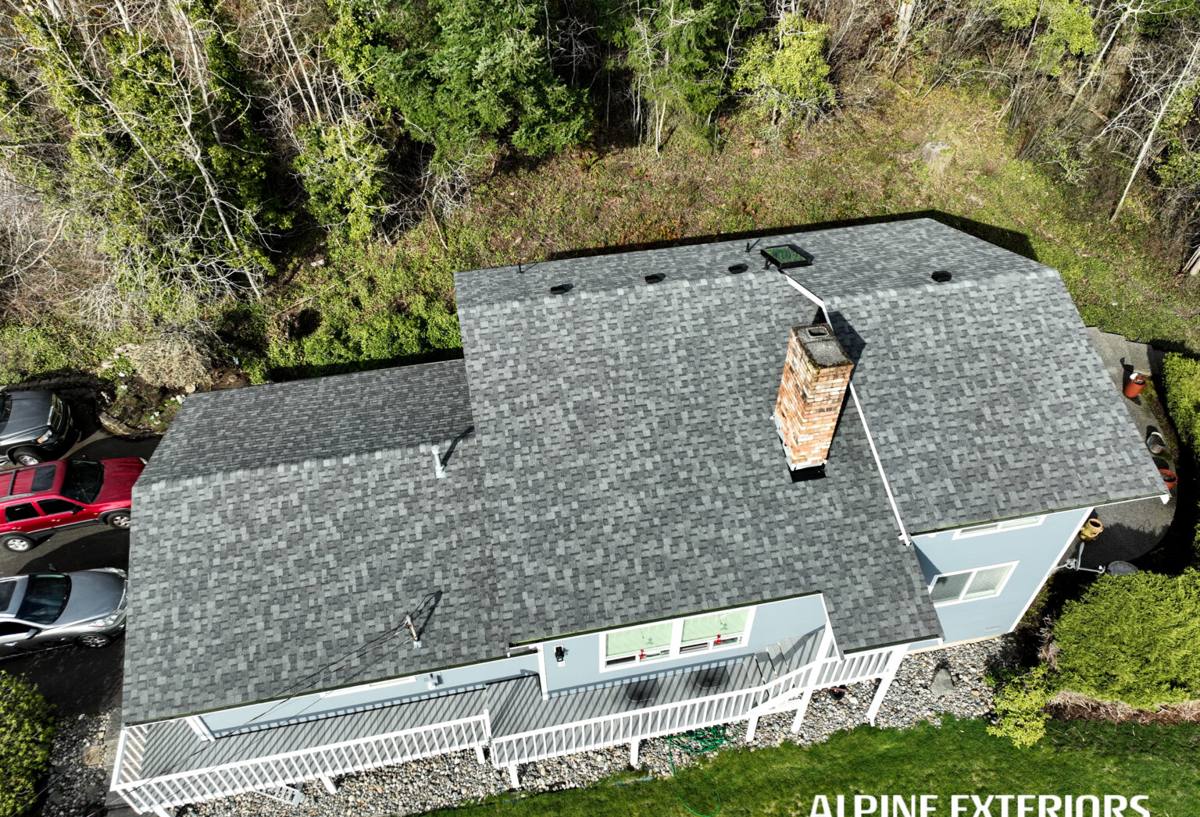
A roof in this area is fighting moss, algae staining, and wind-driven rain more than it's fighting sun damage. The details that matter most are the ones you can't see from the ground: underlayment quality, step and valley flashing, and ventilation that keeps the attic space from trapping moisture underneath the roof deck.
Moss removal and prevention treatments can extend the life of a roof significantly, but they have to be done correctly — power-washing or scraping moss off a shingle roof the wrong way strips granules and shortens its life instead of extending it. This is one of those jobs where technique matters more than effort.
Decks: Exposed to Everything
Decks take the full brunt of this climate because they're horizontal, largely unprotected, and in constant contact with standing water after rain. Framing that isn't properly separated from ledger boards and posts, or decking that doesn't drain and dry quickly, tends to fail well before its expected lifespan in a wet climate like this one.
We build and repair decks with drainage, ledger flashing, and fastener corrosion resistance as first-order concerns, not afterthoughts. A deck that looks fine on the surface can still have a rotting substructure if the water management underneath was never done right.
Comparing Common Exterior Material Choices
There's no single "best" material for every home — the right choice depends on your budget, how much maintenance you're willing to do, and how long you plan to stay in the house. Here's a general comparison of common options homeowners weigh for this climate:
| Material Type | Typical Lifespan | Moisture/Moss Resistance | Maintenance Burden |
|---|---|---|---|
| Fiber cement siding | 30-50 years | Good, if properly installed and painted | Periodic repainting, caulk checks |
| Vinyl siding | 20-40 years | Good against rot, can trap moisture behind it if poorly installed | Low, occasional cleaning |
| Wood siding | 15-30 years with upkeep | Moderate; needs consistent sealing/painting | Higher, regular refinishing |
| Composite/PVC trim & decking | 25-30+ years | Very good, resists rot and moisture absorption | Low |
| Pressure-treated wood decking | 10-15 years | Moderate; needs sealing and drainage detailing | Higher, annual inspection recommended |
| Asphalt composition shingles | 20-30 years | Moderate; moss and algae staining common without maintenance | Periodic moss treatment/cleaning |
These are general industry ranges, not guarantees — actual lifespan always depends on installation quality, exposure, and maintenance. We're happy to walk through the trade-offs for your specific home during an estimate rather than push one product line across the board.
Why a Local Crew Matters in a Town Like Sumas
Sumas is a small community, and it doesn't always get the same attention from larger regional contractors that busier parts of Whatcom County do. A local crew that actually works this area regularly brings a few practical advantages:
- Familiarity with how local weather patterns actually behave on the ground, not just general climate data
- Faster response for estimates, follow-up questions, and warranty service, since we're not driving in from out of the region
- An understanding of the mix of older and newer homes in the area and how each was typically built
- Continuity — the same company that installs your siding or roof is the one you can call years later if something needs attention
We also don't treat every job as an excuse to sell a full replacement. If a repair, a partial re-side, or a targeted moss treatment solves the actual problem, that's what we'll recommend.
Signs Your Exterior Needs a Closer Look
Most exterior problems in this climate start small and are far cheaper to address early than after they've spread into structural damage. Keep an eye out for:
- Green or black staining on roof slopes, siding, or fences that keeps coming back after cleaning
- Soft or spongy trim around windows, doors, or deck ledger boards
- Visible daylight, drafts, or fogging between window panes
- Peeling paint or bubbling siding, especially on north-facing or shaded walls
- Standing water on deck surfaces more than an hour or two after rain stops
- Missing, curling, or granule-bare shingles
- Gutters that overflow during normal rain, not just heavy storms
Catching any of these early usually means a repair conversation instead of a replacement conversation.
How We Approach an Estimate
When we come out to a home in Sumas, we're looking at the whole exterior system, not just whatever the homeowner called about. A window inquiry might turn up a flashing issue that's also affecting the siding nearby, or a roof moss problem that's been quietly staining the gutters and fascia. We'll point out what we see, explain why it matters in plain terms, and separate "needs attention now" from "worth keeping an eye on."
There's no pressure to bundle services you don't need, and no inflated urgency. If your windows are fine and it's really a siding or roofing issue, we'll say so.
If you're dealing with a specific problem or just want an honest read on where your home stands, we'd be glad to come take a look. Estimates are free and there's no pressure to move forward — use the form below to get in touch.