 Blaine Window
 Building a Deck for Birch Bay's Beachfront Climate
Birch Bay sits right on the water, facing the open Strait of Georgia rather than a sheltered harbor, and that exposure shapes almost every deck built in this Whatcom County community. Homes here take a steadier dose of salt-laden air than properties set back from the shoreline, and when storms roll in off the water, the rain doesn't just fall — it drives sideways into railings, ledger boards, and anything with an exposed seam. Add in a moss season that runs most of the year in this climate, and a deck in Birch Bay is working harder than the same structure would be almost anywhere further inland.
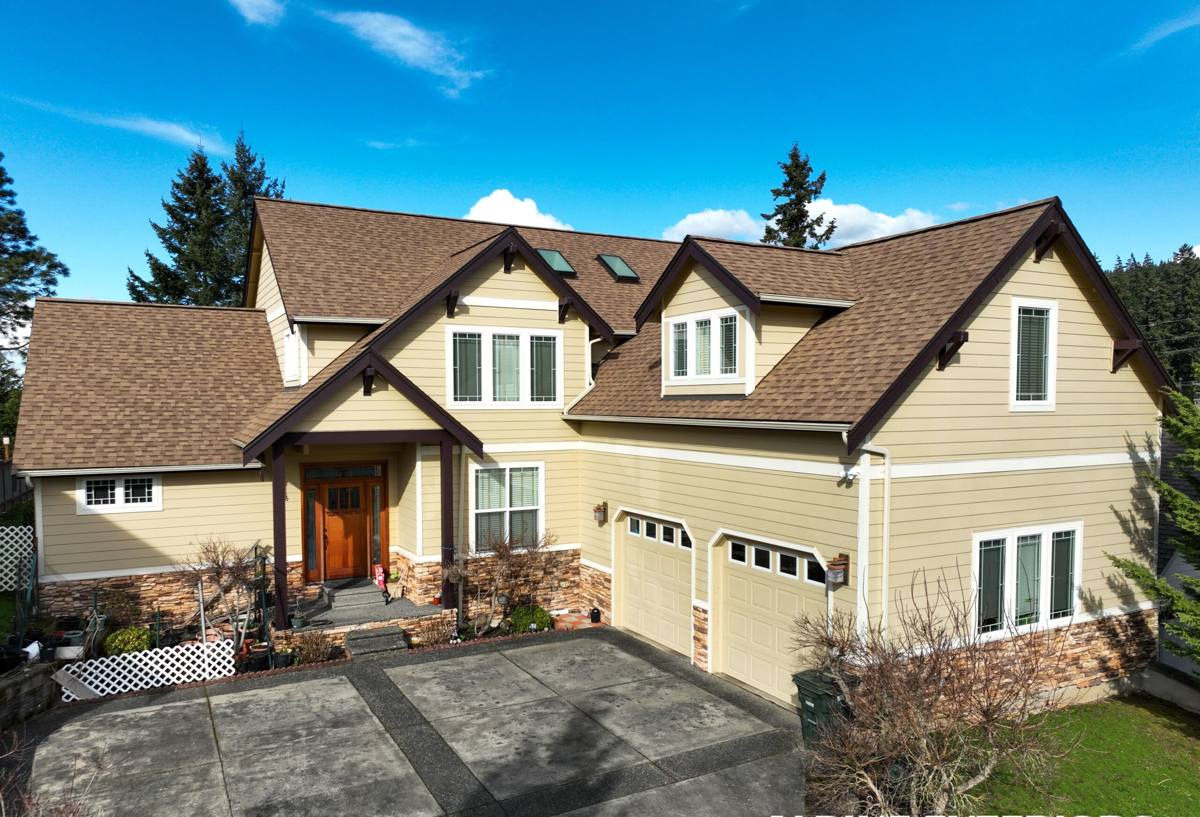
A lot of Birch Bay's housing stock is beach cottages and cabins, some updated for full-time living and some still used seasonally, sitting on smaller lots close to the water than you'd typically find elsewhere in the county. That combination — direct open-water exposure plus older, tightly-sited homes — means a deck built here needs to account for things a standard build elsewhere might not. This page walks through what that actually looks like: what the climate does to a deck, what a correct build involves on a Birch Bay lot, and how our process works for this specific stretch of coastline.
What Makes Birch Bay Different From a Typical Inland Build
Open Water, Not a Sheltered Bay
Blaine's harbor-facing lots get some shelter from Semiahmoo Bay and Drayton Harbor. Birch Bay opens more directly onto the Strait of Georgia, which means less natural buffering from wind and wave-driven weather. Decks here regularly see stronger, more sustained wind loading than a comparable deck a few miles inland, and that matters for railing design, post spacing, and how a structure is tied down — not just how it looks.
Older, Closer-Set Homes
Many Birch Bay properties were built as beach getaways decades ago, later winterized or expanded for year-round use. Lots tend to be smaller and closer to grade than the county average, and older framing underneath an existing deck is common. That changes the starting point for a project — sometimes it's a straightforward rebuild, and sometimes the existing substructure needs more attention than the decking surface itself.
Seasonal and Full-Time Ownership Side by Side
Birch Bay has a real mix of full-time residents and owners who use their place seasonally or as a rental. That affects material decisions more than people expect — a deck that sits unused and unmaintained for stretches of the year needs to hold up on its own, without someone washing salt residue off it every few weeks or catching a loose fastener early.
What the Climate Does to a Deck Here
Salt air corrodes exposed metal — fasteners, post hardware, railing brackets — well before the corrosion is visible to the eye, and a weakened fastener on a structure people stand on isn't a cosmetic issue. Wind-driven rain gets pushed up under railings and into ledger connections that would stay dry in a calmer climate, and it works into gaps between boards that aren't spaced correctly for drainage. Moss and mildew take hold fastest on horizontal surfaces that stay damp between rain events, which describes most of a deck surface in this climate for a good part of the year. None of this is unique to Birch Bay in kind, but the degree is higher here than in more sheltered parts of Whatcom County, simply because there's more open water and less standing between a deck and the weather coming off it.
Choosing Decking Material for a Birch Bay Lot
Material choice carries more weight on an exposed Birch Bay lot than it does on a sheltered inland property, because the gap between a well-suited product and a poorly-suited one shows up faster here. The right call also depends on whether the home is a full-time residence or a place that sits empty between visits.
Wood
Cedar and pressure-treated lumber remain popular for their look and lower upfront cost, but both need regular sealing or staining to hold up against sustained salt and moisture, and both are more prone to fastener corrosion issues over time in this environment. For a full-time owner willing to keep up a maintenance schedule, wood can work. For a seasonal property, it's usually the first material to show moss and soft spots.
Capped Composite
Capped composite boards have a plastic shell around a wood-fiber core, which resists moisture absorption and surface staining far better than uncapped composite or wood. That cap layer is doing real work on an open-water lot — it's the difference between occasional washing and an ongoing sealing schedule, which matters even more for owners who aren't on-site year-round.
Cellular PVC
PVC decking has no wood fiber to absorb moisture, even at cut edges or fastener holes, which makes it a strong fit for the most exposed lots in Birch Bay — waterfront and near-waterfront properties taking the fullest brunt of salt air and wind-driven rain. It costs more than composite and can flex more under concentrated point loads, so it's a tradeoff worth discussing against the specific site rather than a default choice for every project.
| Material | Salt Air & Moisture | Best Fit | Upkeep |
|---|---|---|---|
| Cellular PVC | Excellent — no wood fiber to absorb moisture | Waterfront and heavily exposed lots | Occasional washing |
| Capped composite | Strong — cap layer resists moisture and staining | Most full-time and seasonal homes | Occasional washing |
| Cedar / pressure-treated wood | Fair — needs regular sealing to hold up | Owners committed to yearly maintenance | Sealing or staining most years |
Framing, Fasteners, and Footings on an Exposed Lot
What's under the decking matters as much as the surface, and it's often the part homeowners think about least. On Birch Bay's sandy and mixed soils near the shoreline, footing depth and bearing need to be sized correctly for the actual soil conditions on that lot, not assumed from a standard plan — this is one area where cutting corners doesn't show up until years later, when it's a much bigger repair. Fasteners and structural hardware should be rated for coastal, high-corrosion exposure; standard-grade hardware that's fine on an inland deck can start failing years earlier here. Where a deck ties into the house, the ledger connection and its flashing need to shed water correctly under sideways-driven rain, not just straight-down rain — that detail is one of the most common places we find water damage on older Birch Bay decks when we're called out to look at a rebuild.
Design Decisions That Matter on a Birch Bay Property
Because so many Birch Bay decks exist to take advantage of a water view, orientation and wind exposure usually drive the layout more than they would on an inland lot. A few decisions worth thinking through early:
- How much wind screening — solid railing sections, glass panels, or landscaping — makes the space usable on breezier days without blocking the view entirely
- Railing style and height that meets current code while fitting the look of the house, especially on older homes being updated
- Whether the deck ties into an existing structure that needs reinforcement first, or is a standalone rebuild
- Board orientation and gapping that lets water drain fully rather than pooling against the house or in shaded corners
- Low-maintenance material choices for owners who aren't on site year-round to catch small issues early
Our Process for a Birch Bay Deck Project
- On-site walkthrough to assess the existing structure (if any), soil conditions, wind exposure, and how the space will be used
- Straightforward review of material options and what tradeoffs each one carries specifically for that lot, not a generic pitch
- Design and layout sized to the site, including footing plan, fastener grade, and drainage details suited to open-water exposure
- Permitting handled correctly for shoreline and near-shore properties, where setback and permit requirements can be more specific than elsewhere in the county
- Construction with corrosion-rated hardware and flashing details built for this climate, not a standard inland spec
- Final walkthrough covering how to maintain the specific material installed, so upkeep expectations are clear from day one
Maintaining a Deck in Birch Bay's Climate
Regardless of material, a deck in this environment holds up longer with a bit of regular attention — and for seasonally-used properties, it's worth building a simple check into each visit rather than assuming the deck is fine because it looks fine.
- Rinse the deck surface periodically to clear salt residue and organic buildup before it works into the material
- Keep gaps between boards clear of leaves, sand, and debris so water can drain the way the design intends
- Check railing posts, brackets, and fasteners at least once a year for early corrosion or loosening, particularly before the wettest months
- Look underneath the deck occasionally for standing water or soft framing — that's a structural issue that only gets more expensive with time
- If the property sits empty for stretches, have someone check it periodically rather than waiting until the next visit to catch a developing problem
Why It Matters That We Already Work Birch Bay
A crew that mostly builds decks on sheltered, inland lots can still do competent work, but Birch Bay's open-water exposure, smaller beachfront lots, and mix of older cabin framing bring up questions that don't come up as often elsewhere in Whatcom County. Working this stretch of coastline regularly means we're not guessing at footing depth in sandy soil, fastener grade for sustained salt exposure, or how a particular lot's wind exposure should shape the railing and layout. We've seen what actually holds up on Birch Bay's open shoreline versus what looks fine for a season and starts failing early, and we're straightforward about that difference rather than upselling material a given property doesn't need.
That familiarity also carries over into the practical side of a project — knowing how permitting tends to go on near-shore lots in this area, and giving seasonal owners a realistic read on what a deck here needs to actually go the distance between visits.
Get a Straight Answer About Your Deck
Whether you're rebuilding a tired beach deck, starting fresh on a Birch Bay lot, or just want an honest read on what your property needs, we're happy to walk the site with you and lay out the options plainly. Reach out below for a free, no-pressure estimate.