 Blaine Window
 Two Ways to Replace a Window, and Why It Matters Where You Live
When a homeowner in Blaine calls about replacing windows, one of the first questions we ask isn't about style or color — it's about what's happening behind the trim. There are two fundamentally different ways to replace a window: insert (pocket) replacement, where a new window is fitted inside the existing frame, and full-frame replacement, where the old window and its frame are removed down to the rough opening and everything is rebuilt from scratch.
Both are legitimate methods used by reputable contractors across the country. Neither is automatically "better." The right choice depends on the condition of your existing frame, how the window was originally installed, and — especially here in Whatcom County — how much water and salt air that frame has been dealing with for the last few decades. Blaine sits right on Semiahmoo Bay and Drayton Harbor, and homes near the water take on a different kind of wear than homes further inland. Driving rain off the Strait of Georgia, salt-laden air, and a moss season that can run from October through May all work on wood, vinyl, and aluminum window components in ways that aren't always visible from inside the house.
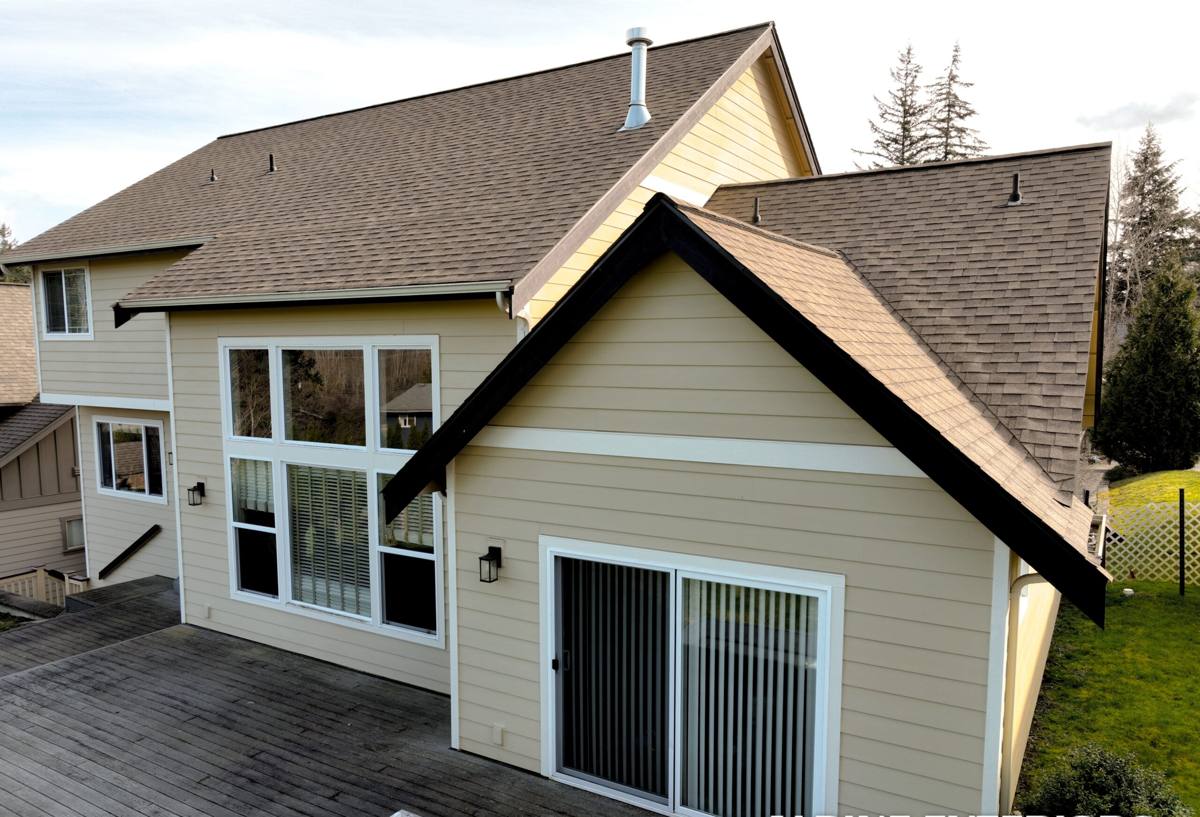
What Insert Replacement Windows Actually Are
An insert window — sometimes called a pocket replacement — is built to fit precisely inside your existing window frame. The old sash and hardware are removed, but the original frame, exterior trim, and interior casing all stay in place. The new window unit slides into that opening and gets fastened and sealed from the inside.
Why Contractors Recommend It
- Faster installation, usually in a few hours per window rather than a full day
- Less disruption to siding, trim, interior drywall, and paint
- Lower labor cost since there's no framing, flashing, or exterior finish work involved
- A good option when the existing frame is straight, dry, and structurally sound
Insert replacement only works well when the frame it's going into is actually worth keeping. That's the catch, and it's where a lot of window jobs go wrong if nobody checks first.
What Full-Frame Replacement Involves
Full-frame replacement removes the window and its entire surrounding frame, exposing the rough opening, the sheathing, and the flashing underneath. This lets us inspect and repair what's actually there — replacing rotted framing, correcting bad flashing details, and installing a new window with fresh weather barrier and flashing tied properly into the wall system.
Why This Approach Matters More on the Coast
Full-frame work is more involved and more expensive, because it touches exterior trim, siding, and sometimes interior finish. But it's the only method that lets a contractor actually see and fix what's behind the old frame. In a marine climate like Blaine's, that matters a lot. Moisture doesn't always show up as a visible leak — it can sit quietly in framing for years, especially behind windows that were flashed incorrectly the first time, before it turns into soft wood or mold.
Why the Condition of the Old Frame Decides the Answer
This is the part homeowners often aren't told plainly: insert windows are a cosmetic and functional upgrade, not a repair. If you install a new insert window into a frame that already has rot, failed flashing, or long-term water intrusion, you're sealing a problem behind a nice new window instead of fixing it. That problem doesn't go away — it keeps working on the wall assembly, just now it's hidden.
We check three things before recommending either approach:
- Wood condition — soft spots, discoloration, or a screwdriver that sinks in too easily around the sill and jambs
- Flashing history — how the window was originally tied into the house wrap or building paper, and whether that detail was ever done correctly
- Moss and staining patterns — heavy moss growth or dark streaking above and around a window is often a sign that water has been running down the wall face for a long time, not just sitting on the surface
Homes on the west-facing and water-facing sides of a house in Blaine tend to show this wear first, since they take the brunt of driving rain coming off the water. That's usually where we find the frames that need full-frame attention, even when the rest of the house is fine with inserts.
Signs a Frame May Need Full-Frame Replacement
- Visible rot, soft wood, or crumbling material at the sill or corners
- Water staining on interior trim or drywall below or beside the window
- A frame that's noticeably out of square, bowed, or doesn't sit flat anymore
- Persistent moss or black staining on the siding directly above the window
- Previous window replacements that were done as inserts more than once in the same opening
Cost and Scope Comparison
| Factor | Insert Replacement | Full-Frame Replacement |
|---|---|---|
| Typical cost per window | Lower | Higher, often noticeably so |
| Time on site | Hours per window | A full day or more per window |
| Access to framing/flashing | None — frame stays covered | Full — framing and flashing exposed and repairable |
| Impact on siding/trim | Minimal | Exterior trim and sometimes siding are disturbed |
| Best suited for | Sound, dry, square frames | Frames with rot, water damage, or poor original flashing |
| Glass area | Slightly reduced (new frame nests inside old one) | Can match or increase original glass area |
The glass area difference is worth knowing about: because an insert window's frame sits inside the existing frame, you lose a small amount of visible glass — usually not enough to notice from across a room, but it's a real trade-off. Full-frame replacement can restore or even slightly increase the glass area since the new unit isn't nesting inside an old one.
When Insert Windows Are the Honest Recommendation
We install a lot of insert windows, and for good reason. If a home's frames are sound — dry wood, correct original flashing, no history of leaks — insert replacement gets homeowners a better-performing, more efficient window without the cost and disruption of tearing into the wall. For many homes in Blaine that were built or re-sided more recently, or that have been well maintained, this is the right call.
When Full-Frame Is Worth the Extra Cost
Full-frame replacement earns its keep when the frame itself is part of the problem. Older homes near the water, homes with a history of window leaks, or homes where a previous insert window was installed over an already-compromised frame are the cases where we'll recommend full-frame, even though it costs more. Paying more once to fix the actual issue is usually cheaper than paying for another round of windows in ten years because the underlying rot kept spreading.
A Note on Mixed Approaches
It's common — and perfectly reasonable — to use insert windows on the sound parts of a house and full-frame replacement on the wall facing the water or the side that's shown staining and moss buildup. There's no requirement that every window on a house be replaced the same way.
What a Fair Assessment Looks Like
A contractor who recommends full-frame replacement on every job without explaining why, or one who insists on inserts everywhere to keep the bid low, isn't doing you any favors. The honest answer requires actually looking at each opening — usually by removing interior stops or exterior trim on a sample of windows to check the wood and flashing before quoting the whole job. That inspection step takes a little extra time up front, but it's the only way to give a homeowner a number that reflects what's actually there instead of a guess.
Questions Worth Asking Any Contractor
- Did you check the condition of the framing before recommending insert or full-frame?
- What will you do if you find rot or water damage once the window is out?
- How is the new window flashed into the wall, and does that meet current best practice?
- Are you recommending the same approach for every window, or evaluating each opening?
- What's covered under warranty for the installation itself, separate from the manufacturer's product warranty?
Living With Blaine's Climate Long-Term
Whatever method is used, window performance in this part of Whatcom County comes down to how well moisture is managed at the wall. Salt air accelerates corrosion on hardware and fasteners, driving rain tests every seal and flashing lap, and a moss season that stretches most of the year keeps roofs and upper walls damp longer than homeowners in drier climates ever have to think about. None of that is a reason to be alarmed — it's just the baseline for building and maintaining a house here, and it's exactly why getting the installation detail right matters more than the brand name on the window itself.
If you're not sure whether your home needs insert windows, full-frame replacement, or a mix of both, we're happy to take a look and give you a straight answer. Reach out for a free, no-pressure estimate using the form below.