 Blaine Window
 Why Frame Material Is the First Decision, Not the Last
Most homeowners start shopping for windows by picking a look — grid pattern, color, maybe a brand they recognize from a big-box store. But out here in Blaine, right on the water and a few miles from the Canadian border, the frame material underneath that finish is doing most of the real work. Whatcom County throws a specific combination of stress at a window: salt-laden air off Semiahmoo Bay and the Strait of Georgia, long stretches of driving, wind-blown rain in the fall and winter, and a damp, low-sun moss season that can stretch from October through April. A frame that's rated fine for a dry inland climate can still underperform here, not because it's a bad product, but because it wasn't tested against this particular mix.
This page walks through how vinyl and fiberglass window frames actually behave under those conditions — expansion and contraction, moisture handling, seal life, and long-term maintenance — so you can make an informed call before you're comparing quotes.
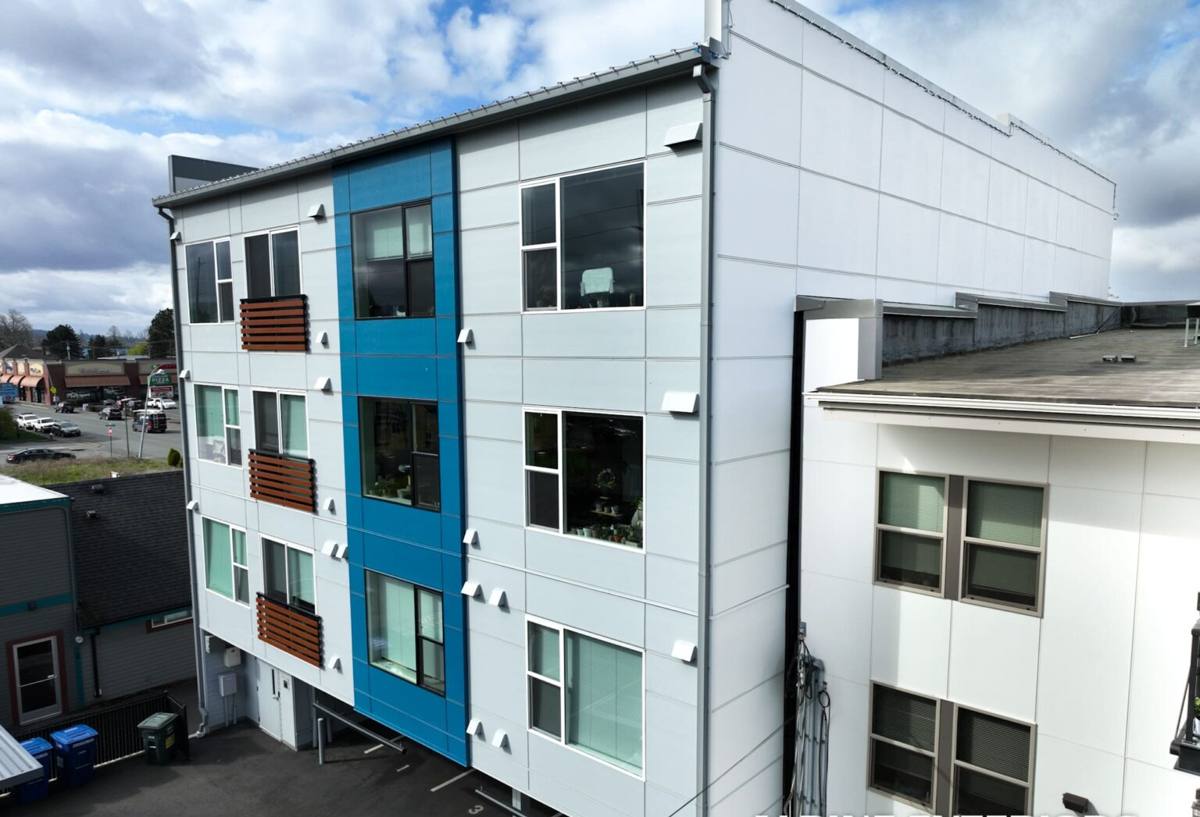
How Vinyl Windows Perform in This Climate
Vinyl is the most common replacement window material installed in this region, and for good reason: it's affordable, it doesn't rot, it doesn't need painting, and modern vinyl formulations have improved a lot over the last couple decades. For a straightforward replacement on a house that isn't taking direct salt spray or constant wind-driven rain, vinyl is a solid, honest choice.
Where vinyl does well
- Resists rot and insect damage completely — there's no wood core to fail
- No repainting or refinishing required over the life of the window
- Generally the lowest upfront cost of the durable frame materials
- Good insulating properties when the frame is properly welded and reinforced
Where vinyl needs respect
Vinyl expands and contracts with temperature more than fiberglass does. That's rarely a problem in a mild coastal climate like Blaine's compared to, say, inland desert regions with huge daily swings — but combined with our wind-driven rain, it means the quality of the weld at the corners and the seal around the glass matter more than the marketing sticker on the frame. A vinyl window with a weak corner weld or an undersized reinforcement bar can start to show minor gaps within a handful of years, and once you have a gap on a wall that takes direct rain, wind will find it. This is an installation and product-grade issue, not a reason to avoid vinyl outright — it's why we're selective about which vinyl lines we install and how we flash and seal every unit.
How Fiberglass Windows Perform in This Climate
Fiberglass frames are a step up in material cost, and they earn that difference in a few specific ways that matter for a place like Blaine.
Dimensional stability
Fiberglass expands and contracts at nearly the same rate as glass. That means the seal between the sash and the glazing stays tighter over decades of temperature cycling, which translates directly to fewer failed seals and less fogging between the panes over the long run — a real consideration when a house sits exposed to marine air and daily temperature swings off the water.
Strength with thinner frames
Because fiberglass is structurally stronger than vinyl, manufacturers can build the same size window with a thinner frame profile, which means more visible glass and often a slightly better view — a nice bonus on a water-facing property, though it's a secondary benefit, not the main reason to choose it.
The trade-off
Fiberglass costs more, typically 20-40% more than a comparable vinyl unit depending on the line and options. It's also less commonly stocked, so lead times can run a bit longer. For a home taking the brunt of salt air and driving rain — direct waterfront exposure, an exposed hillside, a wall that catches prevailing weather — that added cost often pencils out over the life of the window. For a more sheltered lot a few blocks inland, vinyl may do the job just fine at a lower price.
Side-by-Side Comparison
| Factor | Vinyl | Fiberglass |
|---|---|---|
| Typical upfront cost | Lower | Higher (roughly 20-40% more) |
| Expansion/contraction | More than glass — weld and seal quality matter | Nearly matches glass — tighter long-term seal |
| Maintenance | Occasional cleaning, no painting | Occasional cleaning, paintable if desired |
| Salt air resistance | Good if reinforced and well-installed | Very good, more forgiving over time |
| Frame strength | Adequate for standard sizes | Stronger, allows larger openings |
| Typical lifespan expectation | Long, warranty-dependent | Longer, warranty-dependent |
Warranty terms vary a lot between manufacturers on both materials, so read the actual warranty document rather than relying on the "lifetime" language on the sticker — we'll walk you through what's really covered on any product we quote.
The Salt Air Factor
Being this close to Semiahmoo Bay means airborne salt is a constant, low-level presence on window exteriors, hardware, and screens — not just for houses right on the water, but for a good stretch inland too when the wind is up. Salt doesn't damage vinyl or fiberglass frames directly the way it corrodes bare metal, but it does affect two things worth asking about: the hardware (locks, hinges, balances) and any exposed fasteners or trim pieces. We spec corrosion-resistant hardware on installs in this area as a matter of course, and it's a fair question to ask any contractor quoting your job whether they do the same.
Driving Rain and Wind: Where Installation Beats the Spec Sheet
A window's performance rating on paper assumes correct installation. In practice, wind-driven rain is what exposes a sloppy install long before it exposes a weak frame material. The things that actually keep water out during a Whatcom County winter storm are flashing sequence, sill pan drainage, sealant compatibility, and proper shimming so the window isn't racked out of square. We've seen good vinyl windows fail from bad flashing and expensive fiberglass windows leak from a skipped sill pan. Material grade matters, but it's not the whole story — the installation standard behind it matters just as much.
Moss Season and What It Means for Your Windows
Our long wet season, low winter sun angle, and shaded lots mean moss and algae growth on north-facing siding, trim, and window sills is just part of owning a home here. It's mostly a cosmetic and drainage issue rather than a structural one for vinyl or fiberglass frames — neither material feeds moss growth the way wood trim can — but standing moisture around a sill that isn't draining properly will eventually find its way into the wall assembly regardless of frame material. Keeping weep holes clear and making sure sills are pitched to shed water is a small maintenance habit that pays off over the life of any window.
What Actually Drives the Price on a Window Job
| Cost factor | Why it matters |
|---|---|
| Frame material | Vinyl vs. fiberglass is the biggest single swing in unit price |
| Glass package | Double vs. triple pane, low-E coatings, gas fill |
| Window count and size | Larger openings and full-house jobs get better per-unit pricing |
| Install complexity | Full-frame replacement costs more than insert replacement into an existing frame |
| Access and site conditions | Second-story or hard-to-reach openings add labor time |
A Practical Checklist Before You Decide
- Ask how exposed your specific wall or elevation is to prevailing wind and rain — not every side of the house needs the same spec
- Get the actual warranty document, not just the sales sheet, and ask what voids it
- Confirm what hardware is spec'd and whether it's rated for coastal/marine exposure
- Ask about the flashing and sill pan detail your installer plans to use — this matters as much as the window itself
- Compare vinyl and fiberglass quotes for the same glass package so you're comparing frame material, not different specs
- Check weep hole placement and sill pitch as part of your regular home maintenance, whichever material you choose
Our Take, Plainly
We install both vinyl and fiberglass, and we don't push one over the other by default — the right call depends on your home's exposure, your budget, and how long you plan to own the place. For a sheltered lot with moderate exposure, a well-built vinyl window installed correctly will serve you well for a long time. For a waterfront property or a wall that takes the brunt of our weather, fiberglass's dimensional stability is worth the added cost. What we won't do is quote a product we wouldn't put on our own homes, or skip the flashing and sealing steps that actually determine whether a window keeps water out through a Blaine winter.
If you'd like a straight answer on which frame material makes sense for your specific house, we're happy to take a look and put together a free, no-pressure estimate — just fill out the form below.