 Blaine Window
 Siding Repair in Nooksack: What Local Homes Are Up Against
Nooksack sits in a part of Whatcom County where the weather doesn't do siding any favors. Driving rain blows in off and on through the fall and winter, humidity lingers into spring, and shaded north walls and tree-lined lots hold onto moisture long after a storm has passed. Add in the salt-tinged air that moves through this corner of the county and a moss season that can stretch for months, and you've got a climate that finds every weak point in a home's exterior. Siding repair here isn't cosmetic work. It's about stopping water before it gets behind the cladding and into the wall assembly.
We've repaired siding on homes across this area long enough to know the patterns: caulk failing at trim joints, paint blistering where moisture is trapped underneath, and rot showing up at corners and butt joints before it ever shows up on the flat wall face. A repair that only addresses what's visible on the surface, without understanding why that spot failed, tends to fail again within a year or two.
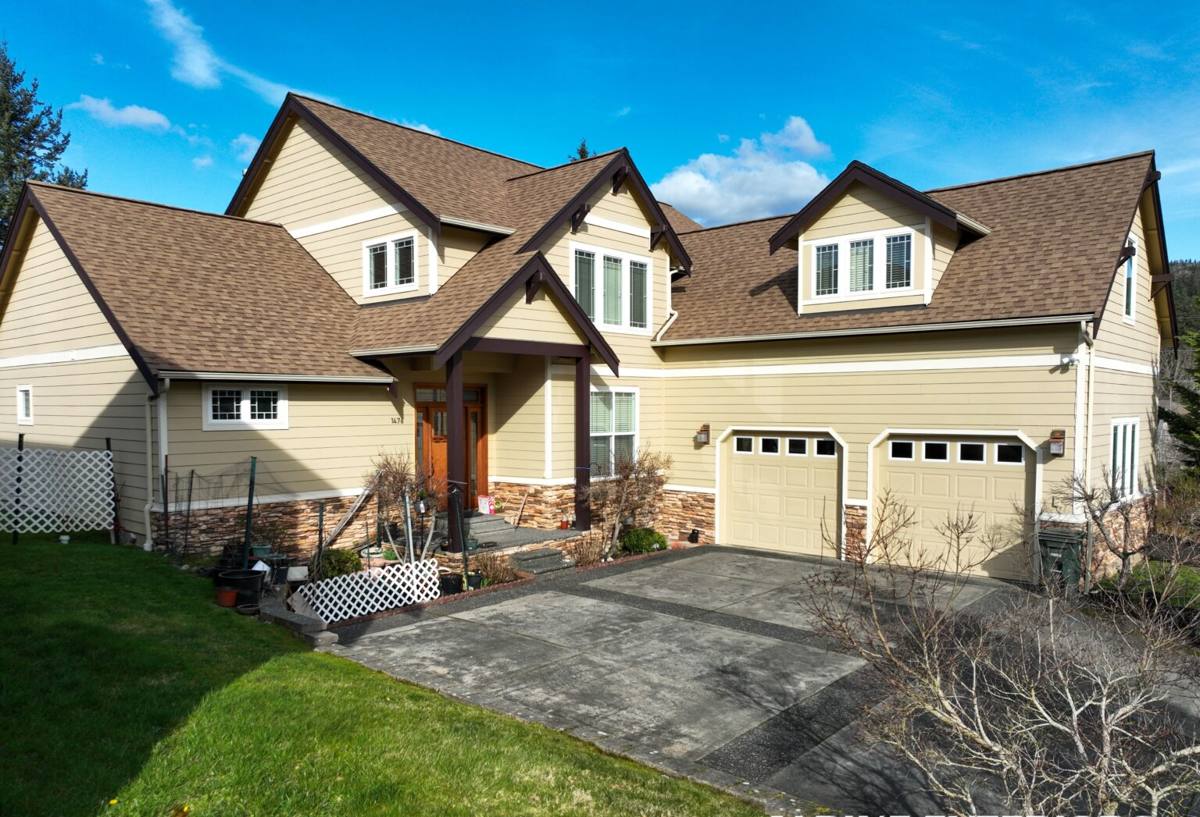
Signs Your Siding Needs Repair, Not Just Paint
Homeowners often call us thinking they need a paint job when what they actually have is a moisture problem hiding under fresh-looking paint. A few signs worth taking seriously:
- Soft or spongy spots when you press on the siding, especially near the bottom courses or around windows
- Paint that bubbles, peels, or flakes in the same spots year after year
- Visible gaps or separation at seams, corners, or where siding meets trim
- Dark staining, streaking, or a persistent musty smell near an exterior wall
- Moss or algae buildup that keeps returning within weeks of cleaning
- Warping, bowing, or boards that no longer sit flat against the wall
Any one of these can be isolated and minor. Several showing up in the same area, especially on a north- or west-facing wall, usually means water has been getting behind the siding for a while.
Why Repairs Get Missed Until They're Expensive
Siding damage in this climate rarely announces itself early. Wood-based products can look fine on the surface while the substrate underneath is already compromised, because the paint film holds its shape even after the material behind it has started to break down. By the time a soft spot is obvious to the touch, there's a good chance the sheathing or framing behind it has taken on moisture too. That's why we open up a suspect area before quoting a repair, rather than guessing from the outside.
What a Correct Siding Repair Actually Involves
A siding repair done right is really a small investigation followed by a targeted fix. Skipping the investigation step is how the same spot ends up failing again.
1. Find the Source, Not Just the Symptom
Damaged siding is usually a downstream effect of a flashing gap, a caulk failure, a clogged gutter dumping water where it shouldn't, or grade and landscaping pushing moisture toward the wall. We trace the problem back before we touch the siding itself, because replacing boards without fixing the water source just buys a year or two before it happens again.
2. Open It Up and Check the Wall Behind It
Once we know where water has been getting in, we remove the affected siding and look at the house wrap, sheathing, and framing underneath. If there's rot in the sheathing or studs, that gets addressed before anything new goes back on the wall. Covering rotten framing with new siding is a shortcut that costs the homeowner more later.
3. Repair the Water Management Details
Flashing, weather-resistant barrier, and proper laps and overlaps all get corrected as part of the repair. This is the part of the job that doesn't show once the siding is back on, and it's also the part that determines whether the repair actually holds up through the next few winters.
4. Match and Install the New Siding
New material gets installed to the same fastening and clearance standards as a full installation — correct nailing, proper gaps at butt joints, and clearance from grade, roofing, and hardscape so water has somewhere to go instead of wicking back into the wall.
Common Siding Materials We Find on Nooksack Homes
Repair work looks different depending on what's already on the wall. Here's how the materials we commonly encounter tend to hold up and repair in this climate:
| Material | How It Tends to Fail Here | How Repairable It Is |
|---|---|---|
| Vinyl siding | Cracks in cold snaps, warps near heat sources, doesn't stop water intrusion behind it | Panels are easy to swap, but faded panels rarely match old ones, and it doesn't address moisture already behind the wall |
| Cedar / wood siding | Absorbs moisture at end grain and fastener holes, rots from the inside out under intact-looking paint | Repairable in small sections, but rot often extends further than it appears, and refinishing is an ongoing commitment |
| LP SmartSide (engineered wood) | Swells and delaminates at cut edges and joints once the factory coating is breached | Repairable, but swollen edges rarely return to their original profile even after drying |
| James Hardie fiber cement | Doesn't absorb water into the board itself, doesn't rot; failures are almost always at caulk joints, flashing, or fasteners | Highly repairable — damaged sections can be cut out and replaced without compromising the rest of the wall |
This is a big part of why we install exclusively James Hardie fiber cement on new work: it's not just about how it performs going in, it's about how forgiving it is to repair years down the road when a downspout fails or a tree limb comes down.
Why We Repair (and Install) with James Hardie Fiber Cement
When we're patching a wall that currently has vinyl, cedar, or LP SmartSide, we'll match materials where a full replacement isn't warranted. But when a repair area is extensive enough that matching no longer makes sense, or when a homeowner asks what we'd recommend, we point them toward James Hardie fiber cement — and we don't install anything else.
That's a deliberate standard, not a default. Vinyl is inexpensive and easy to install, but it doesn't manage moisture behind it and it's vulnerable to impact and temperature swings. Cedar and primed spruce look great new but demand ongoing refinishing to keep water out, and once end grain or fastener holes start absorbing moisture, rot can spread before it's visible. LP SmartSide and similar engineered wood products perform well when the factory coating stays intact, but any breach — a missed caulk joint, a cut edge left unsealed — lets moisture in, and swelling at that point is difficult to fully reverse.
James Hardie fiber cement is cement, sand, and cellulose fiber. It doesn't feed rot, it doesn't warp from moisture the way wood-based products do, and its ColorPlus factory finish is baked on rather than field-applied, which matters in a climate that doesn't always give paint a good window to cure. Hardie's HZ5 product line is engineered specifically for climates like ours — freeze-thaw cycles, sustained moisture, and coastal-influenced air. It's also backed by a strong transferable warranty, which carries real value on a home you might sell down the road.
None of this means Hardie siding is maintenance-free. It still needs correctly sealed joints, proper clearance from grade and roofing, and periodic inspection — same as any siding. But when something does need repair, fiber cement gives us a clean, predictable material to cut into and match, instead of a substrate that's already compromised the moment water reaches it.
Repair vs. Replace: How We Help You Decide
Not every damaged wall needs a full re-side, and we're not going to tell you it does. The right call depends on how much of the wall is affected and what we find once we open it up.
| Factor | Leans Toward Repair | Leans Toward Replacement |
|---|---|---|
| Extent of damage | Isolated to one or two areas | Recurring across multiple walls |
| Underlying sheathing | Sound once opened up | Rotted or compromised in several spots |
| Age of existing siding | Still well within its service life | Nearing or past its expected lifespan |
| Material match | Same product still available and matchable | Discontinued or badly faded, so patches would stand out |
| Root cause | A fixable, localized water source | A systemic issue (grading, roof, multiple flashing failures) |
We'll always start with the least invasive fix that actually solves the problem. If a repair genuinely covers it, that's what we'll recommend and quote — we don't upsell a full re-side when a section repair will hold.
Our Repair Process, Start to Finish
- On-site inspection, including opening up any suspect areas to check what's happening behind the siding
- A written explanation of what caused the damage and what it will take to fix it, in plain language
- A clear estimate covering material, water management corrections, and labor, with no surprise add-ons once we start
- Repair of the underlying issue first — flashing, house wrap, sheathing, or framing as needed
- Installation of matched or replacement siding to full manufacturer specifications
- A final walkthrough so you can see and understand what was done and why
Why Hiring a Crew That Already Works in Nooksack Matters
Siding repair is one of those jobs where local experience shows up in the details. A crew that regularly works this part of Whatcom County knows which wall orientations take the worst weather, how far moss and mildew can travel from a shaded tree line, and what a typical flashing failure looks like on the homes common to this area. That's the difference between a repair that's diagnosed correctly the first time and one that gets reopened next winter.
It also means someone local to call if a repair doesn't hold up the way it should, rather than chasing down a crew that did a one-off job and moved on. For a repair meant to last through years of Pacific Northwest weather, that accountability matters as much as the materials used.
Keeping Repaired Siding Sound After the Job Is Done
A good repair holds up longer with a little regular attention. A few habits that make a real difference in this climate:
- Keep gutters and downspouts clear so water isn't overflowing onto the wall below
- Trim back tree limbs and shrubs that keep a wall section shaded and damp
- Rinse off moss and algae buildup before it spreads, rather than waiting for a heavy growth season
- Walk the exterior once or twice a year and check caulk joints around windows, doors, and trim
- Address small issues — a cracked caulk line, a loose piece of trim — before the next wet season starts
If you're noticing soft spots, recurring paint failure, or staining on your siding in Nooksack, we're happy to take a look and give you an honest read on what's actually going on. Reach out for a free, no-pressure estimate using the form below.