 Blaine Window
 Windows Built for Lynden's Wet, Whatcom County Climate
Lynden sits inland from Blaine, but it shares the same weather system that defines this whole corner of Whatcom County: long stretches of driving rain, heavy fog and dew that keep everything damp for days at a time, and a moss season that seems to start earlier every year. Windows here don't fail because of one big storm. They fail slowly, from repeated cycles of moisture getting into places it shouldn't, wood trim staying wet longer than it should, and seals that were never quite right to begin with.
We're a Blaine-based crew, so we work with the same marine-influenced air, salt-tinged winds off the Strait, and saturated ground conditions that make window installation in this part of Washington different from installing windows in a drier climate. That experience carries directly into how we handle a Lynden window job — the flashing details, the caulking choices, and the order of operations all account for a region that rarely gets a long dry stretch to work with.
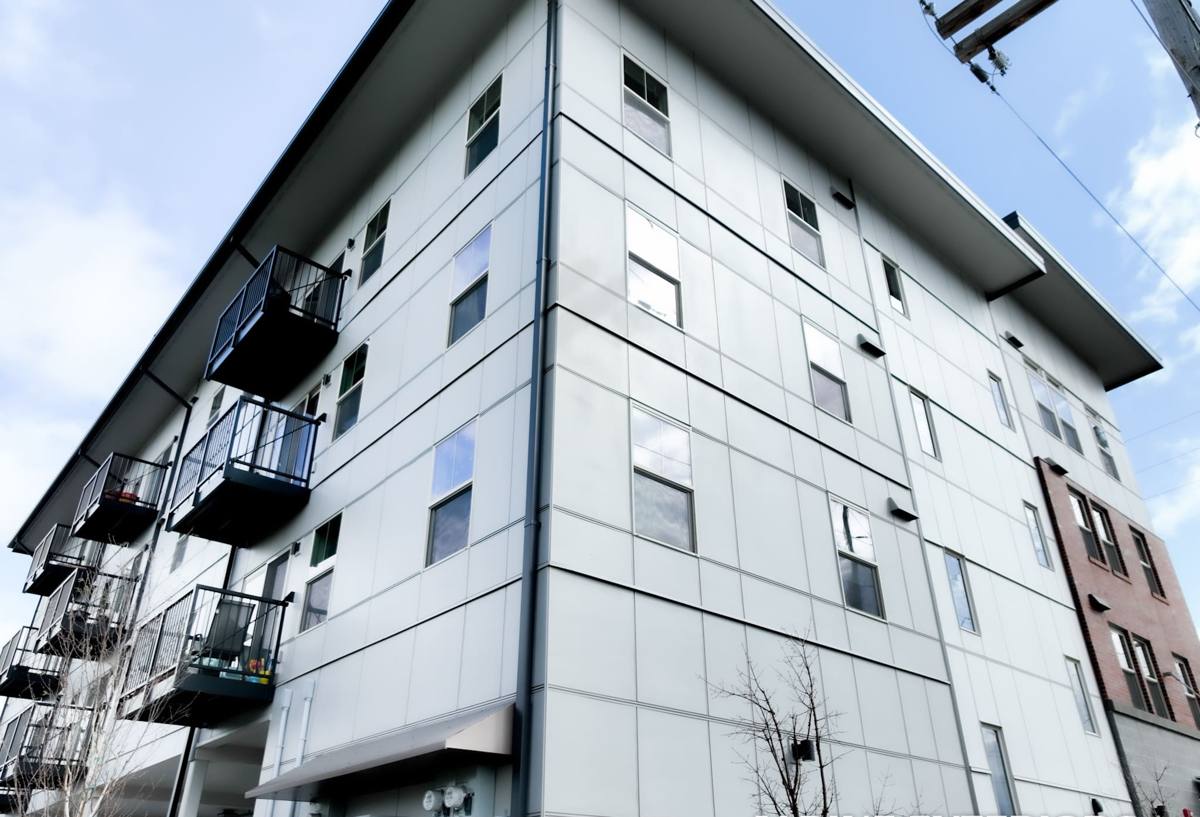
Signs a Lynden Home Needs Window Attention
Most homeowners don't think about their windows until something is obviously wrong. By then, the damage is often bigger than the window itself. Watch for these signs, especially on older homes or homes with the original builder-grade windows still in place:
- Fogging or a permanent haze between panes — the seal has failed and the insulating gas is gone
- Soft or discolored trim and sill wood, especially on north- and west-facing walls that stay shaded and damp longer
- Visible moss or dark streaking on the sill or lower sash, a sign moisture is sitting there instead of draining
- Drafts you can feel with a hand near the frame on a windy day
- Windows that are difficult to open, close, or lock — frames can swell and shift as wood absorbs moisture over the years
- Rising heating bills without a clear cause elsewhere in the home
Any one of these on its own might just mean a repair. Several together, especially on a home more than 15-20 years old, usually points to full replacement being the more honest recommendation.
What a Correct Window Installation Actually Involves
Window installation looks simple from the outside — pull the old one, set the new one, caulk the edges. Done poorly, that's exactly how leaks start. Done correctly, there's a specific sequence that matters more in a climate like ours than it would somewhere dry.
Removal and Opening Inspection
Once the old window comes out, we inspect the rough opening itself — the framing, the sheathing, and any existing flashing. This is often the first time in decades anyone has actually looked at what's behind the window. Soft or water-stained framing needs to be addressed before a new window ever goes in, or the new unit is just sitting on a problem that will resurface.
Flashing and Water Management
This is the step that separates a window that lasts from one that leaks within a few winters. Proper flashing directs any water that gets behind the siding back out and away from the framing, using a shingled, overlapping order — house wrap, sill pan, side flashing, then head flashing — so water always sheds downward and outward, never into the wall cavity. In a region with as much sustained rain as ours, this detail matters more than the window brand itself.
Setting, Shimming, and Sealing
The window gets shimmed level, plumb, and square, then fastened per the manufacturer's specifications — not just wherever it happens to sit. Insulation goes around the frame to close air gaps without over-packing, which can bow the frame. Exterior caulking and interior air sealing are two separate jobs, and skipping either one is a common shortcut that shows up later as a draft or a soft spot in the wall.
Choosing the Right Window Type for a Lynden Home
There's no single "best" window material — the right choice depends on the home's age, siding type, sun exposure, and budget. Here's how the common options compare for our climate specifically:
| Frame Material | How It Handles Our Climate | Maintenance | Typical Fit |
|---|---|---|---|
| Vinyl | Handles moisture well, won't rot; expands and contracts with temperature swings | Low — occasional cleaning | Most homes, best value |
| Fiberglass | Very stable in wet and swinging temperatures, holds paint well if color changes are wanted later | Low | Homes wanting a wood look without wood upkeep |
| Wood / Wood-Clad | Classic look, but exposed wood needs consistent upkeep to resist our extended damp season | Higher — regular inspection and refinishing | Historic or period-style homes where appearance is the priority |
| Aluminum | Durable but conducts cold and can condense/sweat in damp, cool conditions | Low | Less common for residential retrofits here |
For most Lynden homes, we lean toward vinyl or fiberglass because they shrug off the repeated wet-dry cycling this climate puts them through without the ongoing upkeep wood demands. When a homeowner wants the look of true wood, we're upfront that it comes with a maintenance commitment — that's a trade-off we explain plainly rather than talk anyone out of or into.
Glass and Performance Options Worth Understanding
Beyond the frame, the glass package affects comfort and energy use as much as the window itself:
- Double-pane, low-E glass is the standard baseline for this climate and performs well for most homes
- Triple-pane adds extra insulation value and sound reduction, worth considering on north-facing walls, busy roads, or rooms that run cold in winter
- Argon or krypton gas fill between panes improves insulation slightly over air alone
- Warm-edge spacers reduce condensation risk at the glass edge, which matters in a climate with as much ambient humidity as ours
We size these recommendations to the specific wall and room, not the whole house uniformly — a bedroom on the damp north side often benefits from a different spec than a sunny south-facing living room.
Our Installation Process, Start to Finish
- On-site assessment — we look at existing windows, framing condition, and any moisture history before recommending anything
- Honest measurements and options — exact sizing, frame material and glass recommendations suited to that specific wall's sun and moisture exposure
- Scheduling around weather — we plan installation days with realistic dry windows, not just calendar availability, since an opening left exposed during a downpour undermines the whole job
- Removal, inspection, and any framing repair — done before the new window goes in, not glossed over
- Installation with full flashing and sealing detail — the sequence described above, followed the same way whether it's one window or a whole house
- Final check and cleanup — operation, seal, and site cleanup confirmed before we consider the job done
Why a Crew That Already Works Lynden and Blaine Matters
Window installation done wrong doesn't usually announce itself right away. A poorly flashed window can look fine for a year or two before water finds its way in behind the siding. That's part of why local experience matters more than it might seem — a crew that's already worked homes across Whatcom County has seen how this specific climate exposes shortcuts, and builds accordingly from the start rather than learning the hard way on your house.
Working out of Blaine, we're familiar with the wind-driven rain patterns, the moss growth cycles, and the way marine air moves inland through the county. That's the same set of conditions Lynden homes deal with, just slightly further from the water. It means we're not guessing at flashing details or sealant choices — we're applying what already holds up on homes we service regularly nearby.
Cost Factors to Understand Before You Get Quotes
Every home is different, so we won't post a blanket price — but these are the main factors that drive cost up or down on a real Lynden project:
| Factor | Why It Matters |
|---|---|
| Number of windows | Per-window cost typically drops on larger jobs due to shared setup and scheduling efficiency |
| Frame material | Vinyl is typically the most budget-friendly; fiberglass and wood-clad cost more upfront |
| Glass package | Triple-pane and specialty coatings add cost but can reduce long-term energy bills |
| Framing condition | Rot or water damage found during removal adds repair time and material before the new window can go in |
| Access and site conditions | Second-story windows, tight landscaping, or limited access can add labor time |
| Trim and finish work | Matching existing interior trim or exterior siding detail adds finishing labor |
We walk through these factors during the on-site visit so the quote reflects your actual home, not a generic estimate that changes once work starts.
Keeping New Windows Performing After Installation
A correctly installed window still benefits from basic upkeep, especially in a climate that stays damp as long as ours does:
- Clear debris and moss from sills and tracks a couple of times a year, especially after fall leaf drop
- Check exterior caulking annually for cracking or gaps, particularly after a hard winter
- Operate locks and hardware periodically so they don't seize from disuse
- Watch for condensation between panes — that's an early sign of seal failure worth addressing before it spreads
- Keep gutters and downspouts clear so roof runoff isn't sheeting down over window heads
None of this is complicated, but skipping it is how a good installation slowly turns into a maintenance problem over the years.
Ready to Talk Through Your Windows?
If your Lynden home has windows that are drafty, fogged, hard to operate, or just original to a house that's due for an upgrade, we're happy to take a look and give you a straightforward assessment — no pressure, no upsell. Fill out the form below for a free estimate and we'll walk the property with you.