 Blaine Window
 Fiber Cement Siding in Grandview: A Job Worth Doing Right
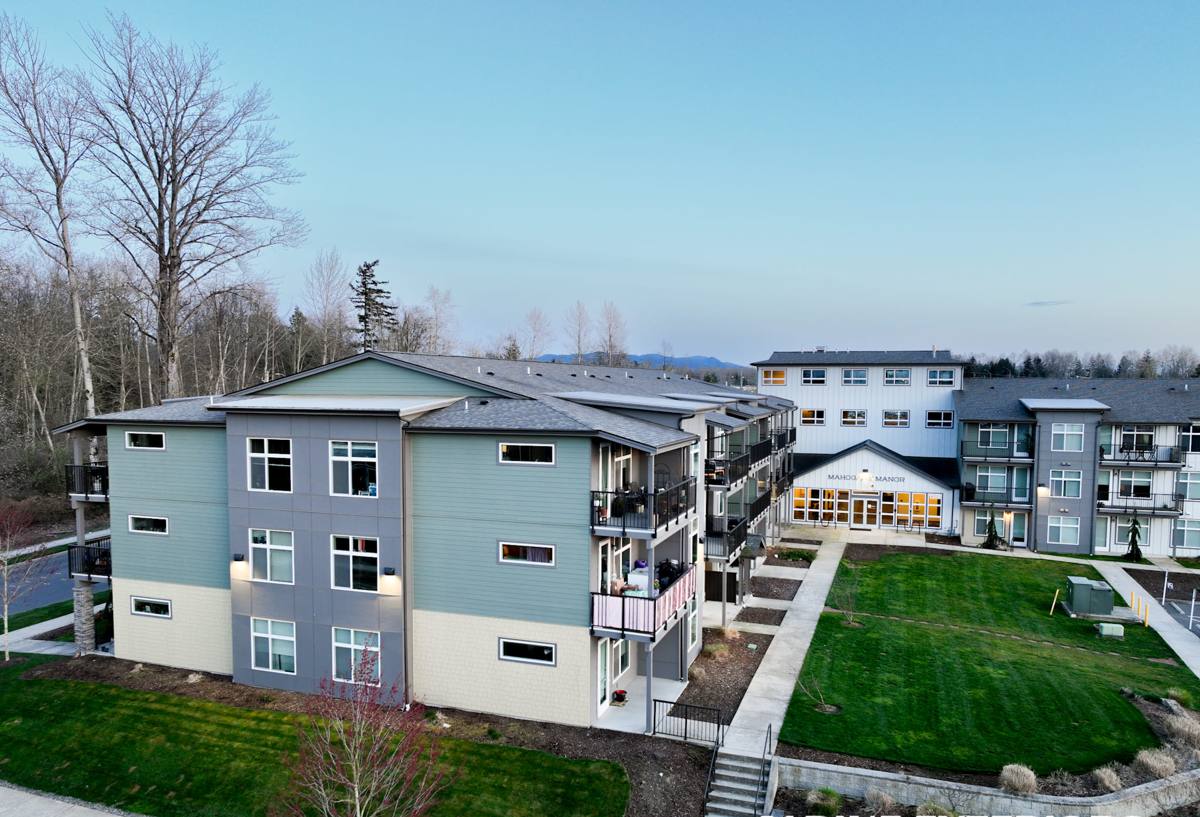
Grandview sits on the more open, rural edge of Blaine, in the part of Whatcom County where fields, wooded lots, and newer residential building meet the same coastal weather that works on the rest of the county's homes. Out here, a house doesn't get the shelter of a dense in-town grid or a row of neighboring rooflines to break up the wind, which means the exterior envelope — siding especially — has to work harder than it does on a more sheltered Blaine street. This page covers one thing specifically: installing James Hardie fiber cement siding correctly on a Grandview home, in a way that actually holds up to the salt air, driving rain, and long moss season this area deals with year after year.
We install fiber cement siding throughout Blaine and the surrounding Whatcom County area, and Grandview is regular territory for our crew, not an occasional stop. That matters more than it sounds like it should, because the right material installed the wrong way, or a correct installation that never accounted for a specific lot's exposure, both end up looking like the same disappointing outcome a decade later: a callback nobody wanted.
What Grandview's Setting Does to a House
Salt Air, Even This Far From the Water
Blaine's position on Semiahmoo Bay means salt-laden air travels further inland than most homeowners assume, and Grandview's more open terrain doesn't do much to block it once it arrives. Salt accelerates corrosion on fasteners, flashing, and any exposed metal trim, and it wears down a lower-grade finish faster than a dry inland climate ever would. On a property with fewer windbreaks — mature trees, other structures, tighter neighboring lots — that exposure tends to be more consistent across the whole wall, not concentrated on just the side facing the water.
Driving, Wind-Pushed Rain
Storm systems coming off the water rarely drop rain straight down in this part of Whatcom County. Wind pushes it sideways, and open, exposed lots like much of what's out in Grandview catch more of that sideways load than homes tucked into a more sheltered block closer to town. That distinction matters because wind-driven rain finds its way into lap joints, trim seams, and any gap in a wall's water management system that a simple straight-down rain would never reach in the first place.
A Moss Season That Runs Most of the Year
Mild temperatures and near-constant moisture add up to a moss and mildew season that stretches across most of the calendar in this part of the county. Wooded and partially wooded lots, common around Grandview, keep shaded walls damp longer between rain events, and any siding surface with even a little surface porosity becomes a growth surface over time. It tends to show up first on north-facing walls and anywhere shade keeps a surface from fully drying out between storms.
Why James Hardie Fiber Cement, and Only James Hardie
We install one siding system on Grandview homes: James Hardie fiber cement. That's a professional standard, settled on after years of tear-offs and service calls in exactly this kind of coastal, moisture-heavy climate, not a supplier relationship or a pricing decision.
- Non-combustible core: fiber cement doesn't feed a fire the way wood-based siding products can, which matters for household safety and can matter for insurance as well.
- Factory-applied ColorPlus finish: the color cures under controlled factory conditions instead of being brushed on in the field, holding up longer against fading, chalking, and the moisture exposure Grandview sees on a regular basis.
- Climate-engineered HZ product lines: Hardie's HZ5 formulation is built for regions with sustained moisture and freeze-thaw cycling, a closer match to Blaine and the rest of coastal Whatcom County than a generic, one-size-fits-all formulation would be.
- Dimensional stability: fiber cement doesn't swell, cup, or warp the way engineered wood siding products can after repeated wet-season moisture cycles.
- A strong, transferable warranty: backed directly by the manufacturer, provided the installation follows Hardie's own spec.
We don't install LP SmartSide, vinyl siding, Cemplank, Allura, primed spruce, or cedar. Those are legitimate products, and plenty of contractors do competent work with them. We made a professional call that in a climate this consistently wet and salt-exposed, standing fully behind one system we understand completely serves Grandview homeowners better than offering a cheaper option that quietly shifts maintenance risk onto them years down the road.
What a Correct Installation Involves on a Grandview Home
Fiber cement only performs the way it's engineered to when it goes on correctly, and on a more exposed Grandview lot, the installation details matter more than they would on a sheltered in-town property.
Rain Screen Gap
A small drainage cavity behind the siding lets any moisture that does get past the exterior surface drain and evaporate instead of sitting against the wall sheathing. On a wind-exposed site, that margin for error matters more than it does somewhere calmer.
Fastener Type and Spacing
Hardie specifies corrosion-resistant fastener types and precise spacing for a reason. Loose spacing or the wrong fastener is one of the more common causes of early siding failure we find on tear-offs, and it's an easy detail to shortcut if a crew is moving too fast to hit a schedule.
House Wrap and Flashing
Every seam and penetration needs to shed water downward and outward, especially on walls that catch wind-driven rain directly. Window and door openings are where we find the most water intrusion on older installations, and it's almost always a flashing detail that got rushed rather than a failure of the siding material itself.
Sealed Joints and Trim Transitions
Butt joints, corners, and trim transitions are where moisture finds its way behind the siding first if they aren't lapped and sealed correctly. None of this is exotic work. It's the manufacturer's own installation spec, followed consistently rather than shortcut on the parts that are hardest to see once the job is finished and the crew has moved on.
Our Process for a Grandview Fiber Cement Siding Job
Site Walk and Assessment
We start by walking the property in person, not just measuring wall square footage from a plan. On a Grandview lot that usually means noting exposure to prevailing wind, shade patterns from mature trees, and any spots where the existing siding is already showing moss, staining, or soft spots.
Tear-Off and Substrate Check
Once the old siding comes off, we check the sheathing and framing underneath before anything new goes up. This is the point where hidden moisture damage from years of a failing wall assembly becomes visible, and it needs to be addressed before new siding goes over it, not sealed in behind it.
House Wrap, Flashing, and Rain Screen Installation
The water management system goes on before a single piece of Hardie siding does. This is the layer that actually determines whether the finished wall performs in Grandview's weather, and it's the part that's invisible once the project is finished, which is exactly why we don't rush it.
Fiber Cement Installation
Panels or lap boards go on to Hardie's fastening pattern and clearance spec, with joints and trim sealed as we go rather than caulked over at the very end to cover a gap.
Final Walkthrough
We walk the finished exterior with the homeowner, checking joints, trim, and paint lines up close before calling the job complete.
Fiber Cement Siding Cost Factors in Grandview
| Factor | What It Affects | Why It Matters in Grandview |
|---|---|---|
| Lot exposure and windbreak | Labor detail on flashing and joints | More open lots see more direct wind-driven rain, which raises the bar on sealing detail |
| Tear-off vs. installation over existing siding | Labor scope and substrate access | Tear-off exposes hidden moisture damage that's common under older siding in this climate |
| Substrate condition | Repair costs before new siding goes on | Trapped moisture behind failing siding can rot sheathing before it's visible from outside |
| Home size and trim complexity | Total material and labor | More corners, window trim, and roofline intersections mean more joints that need sealing |
| Color and finish selection | Material cost and long-term finish life | ColorPlus factory finishes outlast field-applied paint against salt air and UV exposure |
Real numbers depend on the specific house and lot, which is why we walk the property in person before quoting rather than pricing off square footage alone.
Signs a Grandview Home May Need New Siding
- Moss or dark staining that returns quickly after cleaning, especially on shaded or north-facing walls
- Soft or spongy siding, particularly near the base of the wall or around window and door trim
- Peeling, bubbling, or chalking paint on siding boards or trim
- Cracked, chipped, or missing siding sections after a windstorm
- Visible gaps at seams, corners, or trim joints where water can track in
- Rust staining around fasteners or flashing, an early sign of salt air exposure
- A noticeable draft or rising heating bills that may point to a wall assembly that's no longer sealing properly
Why Hiring a Crew That Already Works Grandview Matters
A contractor who works this stretch of Whatcom County regularly knows how salt air, wind-driven rain, and moss actually behave on real houses over a full year, not just how a product performs on a spec sheet. That translates into practical decisions on install day: where extra flashing attention pays off, which wall orientations stay damp longest on a given lot, and which details are worth the extra time so a homeowner isn't dealing with a callback two winters later. Grandview's more open, rural setting isn't identical to a sheltered in-town Blaine block, and a crew with real experience out here accounts for that instead of applying the same generic approach to every job on the schedule.
Before you hire anyone for a fiber cement siding project in Grandview, it's worth confirming a few basics:
- An active Washington state contractor license and current insurance
- A clear answer on exactly which siding brand and product line they install, and why
- How they handle hidden substrate damage discovered once tear-off starts
- A written scope that names flashing, house wrap, and rain screen details, not just "new siding installed"
If your Grandview home needs new fiber cement siding, a repair to existing Hardie siding, or just an honest second opinion on what's going on behind an aging wall, we're glad to take a look. Reach out using the form below to schedule a free, no-pressure estimate.