 Blaine Window
 Why Ferndale Homes Wear Out Windows Faster Than You'd Expect
Ferndale sits close enough to the water that salt-laden marine air reaches most homes in the area, even on days that don't feel particularly "coastal." Combine that with Whatcom County's long stretch of driving rain each fall and winter, plus a moss season that can run for months on shaded roofs and north-facing walls, and you've got a climate that's genuinely tough on window assemblies. It's not any one factor doing the damage — it's the combination, applied year after year, that eventually breaks down seals, finishes, and framing that would otherwise last decades.
Salt air is corrosive to hardware and can accelerate the breakdown of certain finishes and sealants faster than inland environments. Persistent rain finds its way into any gap in flashing or caulking and doesn't dry out quickly in our cool, humid air. And moss and algae hold moisture against wood trim and sills, which is exactly the condition that leads to rot. None of this means windows are doomed — it means they need to be installed and detailed correctly for this specific climate, not just installed "to code."
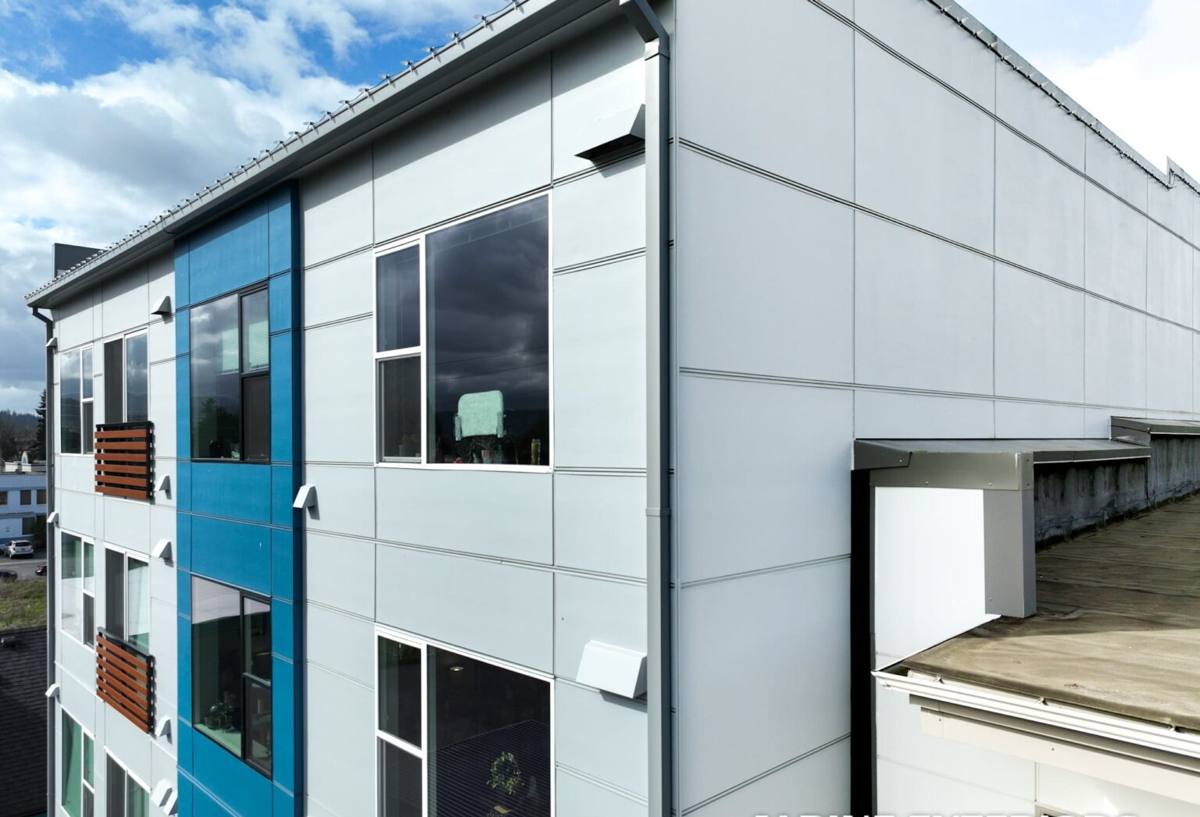
Signs Your Windows Are Losing the Fight
Most homeowners don't replace windows because of one dramatic failure — they replace them because a handful of small problems add up. Here's what we see most often on service calls in this area:
- Fogging or a hazy film between the panes of a double-pane window, which means the seal has failed and the insulating gas or dead air space is gone for good
- Persistent condensation on the inside of the glass during cold, wet stretches, even when the home is heated normally
- Drafts you can feel with your hand near the frame, especially on walls that face the prevailing weather
- Sashes that stick, won't stay open, or are hard to lock — often a sign the frame has swollen or shifted from moisture
- Soft or discolored wood at the sill, jamb, or exterior trim, which usually means water has been getting behind the window for a while
- Visible moss, algae, or black staining creeping toward the window opening from the roofline or siding above
Any one of these on its own might just need a repair. Several of them together, especially on an older window, usually means the assembly itself has run its course.
What a Correct Replacement Actually Involves
It's Not Just Swapping Glass
A window replacement done right is as much about what happens around the window as the window itself. Once the old unit is out, we're looking at the framing, the sheathing, and the condition of any existing flashing or moisture barrier. If there's been slow water intrusion — which is common in homes that have gone a long time without maintenance in this climate — that's the moment to find it and address it, not after the new window is already sealed in place.
The Details That Actually Matter Here
For our climate specifically, that means proper flashing tape and drainage planes so any water that does get past the exterior finish has somewhere to go, sealants rated for sustained wet conditions rather than just general-purpose caulk, and careful attention to the sill pan so water can't pool against the framing. It also means shimming and squaring the unit correctly so the window operates smoothly and the seals aren't stressed unevenly — a window installed slightly out of square will fail at the corners years before it should.
None of this is exotic. It's standard best practice applied consistently, which is exactly where shortcuts tend to happen when a crew is unfamiliar with what this kind of weather does to a house over time.
Choosing the Right Window for This Climate
There's no single "best" window material for every home — it depends on your budget, your home's style, and how much upkeep you want to take on. Here's an honest comparison of the main options we install:
| Material | Moisture & Salt Air Behavior | Maintenance | Typical Fit |
|---|---|---|---|
| Vinyl | Won't rot or corrode; performs well in wet, salty air | Low — occasional cleaning | Most homes, best overall value |
| Fiberglass | Very stable in temperature swings and moisture; strong long-term durability | Low | Homes wanting a higher-end frame with minimal upkeep |
| Wood-clad | Interior wood needs protection from interior humidity; exterior cladding shields against rain, but any breach at the cladding seam can trap moisture against the wood | Moderate — watch the cladding seams | Homes prioritizing a traditional wood interior look |
| Aluminum | Can corrode faster in salt-influenced air and conducts cold, increasing condensation risk | Moderate to high | Rarely our recommendation for this specific climate |
Glass matters as much as frame material. A quality Low-E coating and an appropriate gas fill (typically argon) cut down on heat loss and reduce interior condensation — which, given how much moisture is already in our air for a good chunk of the year, is a real practical benefit and not just an energy-bill talking point.
How We Handle a Ferndale Job From Start to Finish
Assessment and Measurement
We start by walking the exterior and interior of the home, checking each window opening for signs of the moisture or rot issues common in this area, and taking precise measurements. This is also when we talk through material and glass options based on the specific exposure of your home — a wall that takes the brunt of the weather gets different priorities than a sheltered one.
Product Selection
We'll walk you through the honest trade-offs between materials and options rather than pushing whatever has the best margin. If your budget and priorities point toward vinyl, we'll say so; if a particular exposure justifies spending more on fiberglass, we'll say that too.
Install Day
Old units come out carefully to protect interior finishes and landscaping. We inspect the opening, address any hidden moisture damage we find, install proper flashing and a sill pan, set and shim the new window, and seal it correctly for our climate — not just caulk-and-go. We clean up thoroughly and haul away the old windows and debris.
Final Walkthrough
Before we consider the job done, we operate every window with you, check the seals, and answer any questions about care going forward.
Why Hiring a Crew That Already Works Ferndale Makes a Difference
Window replacement isn't a one-size-fits-all trade, and it shows most in the details a homeowner never sees directly. A crew that regularly works this area already knows what kind of hidden rot to expect around older single-pane windows, how the local mix of long-established homes and newer construction affects typical opening sizes and framing methods, and which install details actually hold up against a full wet season rather than just looking fine on a dry install day.
There's also a practical scheduling side to it. Whatcom County's wet season is long, and installing windows correctly means paying attention to weather windows, moisture in the framing before you close it up, and sequencing the job so openings aren't left exposed longer than necessary. A crew unfamiliar with the local pattern of weather is more likely to get caught out by it.
Keeping New Windows Performing for the Long Haul
A correct install gets you most of the way to a long-lasting window, but a little seasonal attention goes a long way in this climate:
- Keep weep holes at the bottom of the frame clear of dirt and debris so water can drain out as designed
- Rinse salt residue and grime off exterior glass and frames periodically, especially after storms
- Remove moss or algae buildup on nearby siding, trim, or roofing before it spreads toward the window opening
- Check and refresh exterior caulking at the trim every couple of years, since even good sealant has a service life
- Wipe down interior sills during the wettest months if you notice condensation, so moisture doesn't sit against wood or paint
What Affects the Cost of a Window Replacement
Every home is different, so we don't quote broad numbers without seeing the job, but these are the main factors that move the price up or down:
| Factor | Why It Matters |
|---|---|
| Number and size of windows | More openings and larger glass sizes mean more material and labor |
| Frame material chosen | Vinyl, fiberglass, and wood-clad carry different material costs |
| Condition of the existing opening | Hidden rot or water damage found during removal adds repair work before the new window can go in |
| Accessibility | Second-story or hard-to-reach windows take more time and equipment |
| Trim and finish work | Matching existing interior or exterior trim adds carpentry time |
| Disposal | Hauling away old windows and debris is part of a clean job, not an afterthought |
We'd rather find out about a rot problem during a quote walkthrough than have it surprise you mid-install, which is why an in-person look at your specific windows is the only way to give you a number you can actually count on.
If your windows in Ferndale are fogging, drafting, sticking, or just showing their age after another wet Whatcom County season, we're happy to take a look. Fill out the form below for a free, no-pressure estimate — we'll walk the home, answer your questions honestly, and give you a straight assessment of what your windows actually need.