 Blaine Window
 Why Ferndale's Climate Is Hard on Windows
Ferndale sits close enough to the water that salt air is a real factor in how building materials age here, not just a talking point. Add in Whatcom County's long wet season, driving wind-driven rain off the Strait, and months where north-facing siding and trim barely see direct sun, and you've got conditions that expose weak window installations fast. A window that would hold up fine in a dry inland climate can start showing problems within a few years here if it wasn't installed correctly the first time.
Moss and algae growth is the visible symptom most homeowners notice first — dark streaking on sills, green film building up in corners, sashes that stay damp longer than they should after a storm. But moss is usually a sign of a deeper issue: water sitting somewhere it shouldn't, because flashing, sealant, or drainage wasn't done right. By the time you see moss on a windowsill, moisture has often already been working on the frame or the wall assembly behind it for a while.
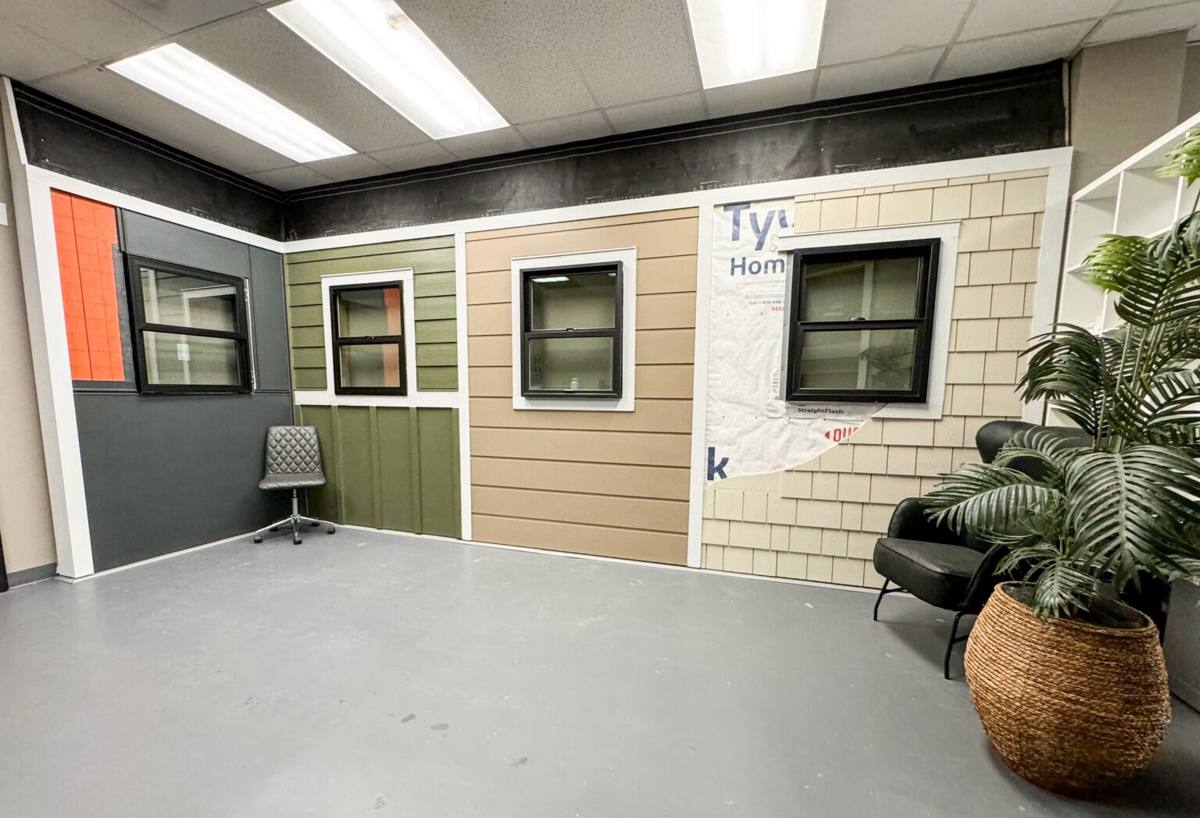
Signs a Ferndale Home Needs New Windows or a Better Installation
Not every window problem means you need full replacement. Some are installation or maintenance issues that can be corrected. Here's how to tell the difference:
- Fogging or moisture between panes — this means a failed seal on the glass unit itself, not a framing issue, and usually means the sash or glass needs replacing.
- Soft or discolored wood/trim around the window frame — often a sign water has been getting behind the trim, which points to a flashing or sealant failure at installation.
- Drafts you can feel with your hand near the frame on a windy day — usually a sign of gaps in the installation, not the window unit itself.
- Persistent moss or black streaking below a window, even after cleaning — a drainage or flashing problem letting water linger.
- Windows that are difficult to open, close, or lock — can be settling, warping, or a hardware issue depending on age and material.
- Rising heating bills with no other explanation — older single-pane or poorly sealed windows are common culprits in older Whatcom County homes.
If you're seeing more than one of these, it's worth having someone look at the actual installation, not just the window itself.
What a Correct Window Installation Actually Involves
Window installation gets treated like a simple swap-out job more often than it should. Done right, it's a moisture-management project as much as a carpentry one, especially in a climate like ours. The window itself is only part of what determines how it performs over the next fifteen or twenty years.
Flashing and Water Management
Correct flashing directs any water that reaches the window opening back out and away from the wall framing, using a shingle-style layering so each piece overlaps the one below it. Skipping or rushing this step is the single most common cause of hidden rot behind a window, and it's invisible from the outside until the damage is already done.
Sealant Placement — And Where NOT to Seal
It sounds counterintuitive, but sealing every gap around a window isn't correct practice. The bottom of the window opening typically needs a way for any water that does get in to drain back out, rather than being sealed into a pocket where it has nowhere to go. This is a detail that's easy to get wrong if a crew is moving fast.
Fit, Shimming, and Air Sealing
A window needs to be shimmed level and square in the opening, with the gap around it air-sealed with the right material — not just packed with whatever's on the truck. A window that's slightly out of square will bind, won't lock properly, and puts uneven stress on the frame and glass over time.
Interior and Exterior Trim Sealing
Both the interior and exterior trim need proper sealing where they meet siding, stucco, or drywall. On the exterior, this is also where UV exposure and repeated wet-dry cycling do the most damage to lower-quality caulk over time, which is why product choice and application matter as much as the initial seal.
Choosing the Right Window Materials for This Climate
Material choice matters more here than in drier parts of the state, mainly because of how each material handles sustained moisture exposure and the freeze-thaw swings that happen through a typical Whatcom County winter.
| Material | Moisture Behavior | Maintenance | Typical Trade-offs |
|---|---|---|---|
| Vinyl | Won't rot; handles moisture well | Low — occasional cleaning | Can't be repainted; quality varies widely by manufacturer |
| Fiberglass | Excellent — very stable in wet/dry cycling | Low | Higher upfront cost than vinyl |
| Wood (unclad) | Requires diligent upkeep to prevent rot | High — regular painting/sealing | Best appearance to many buyers, but demands ongoing maintenance in our climate |
| Wood-clad (aluminum or vinyl exterior) | Good — exterior shell protects the wood core | Moderate | Interior wood look with better weather resistance, if the cladding and seals are installed correctly |
| Aluminum | Prone to condensation without thermal breaks | Low | Not usually our recommendation for this region unless it's a specific architectural need |
We don't push one brand or material on every home. The right call depends on your home's exposure — how much direct weather a given wall or window actually takes — your budget, and what you want to maintain long-term. A window on a sheltered, south-facing wall has different needs than one taking wind straight off the water.
How We Approach a Ferndale Window Installation
1. On-Site Assessment
We look at the existing window openings, check for any signs of past water intrusion or rot in the framing, and talk through what you actually want out of the new windows — energy performance, noise reduction, appearance, or all three.
2. Accurate Measurement and Product Selection
Openings in older homes are rarely perfectly square, so we measure each one individually rather than assuming they match. We'll walk you through material and glass options that fit your home and your budget honestly, including where a cheaper option is genuinely fine and where it isn't.
3. Removal and Opening Prep
Old windows come out carefully so we can inspect the framing underneath. If we find soft wood or old water damage, we'll show you what we're seeing and talk through the repair before anything new goes in — installing a new window over a compromised opening just hides the problem.
4. Flashing, Installation, and Sealing
This is where the details above — flashing sequence, proper shimming, correct sealant placement — actually happen. It's the slowest part of the job and the part that determines whether the installation holds up through its first few Whatcom County winters.
5. Interior and Exterior Finish Work
Trim, caulking, and touch-up work get finished on both sides, and we clean up the site before we call it done.
6. Final Walkthrough
We check that every window opens, closes, and locks properly, and answer any questions about care or warranty coverage before we leave.
Installation Mistakes We See — and Avoid
A lot of window problems in this area trace back to a small number of repeated mistakes, usually from rushed work rather than bad materials:
- Skipping or shortcutting flashing because it takes extra time and isn't visible once trim goes back on.
- Sealing the bottom of the window opening completely, trapping water instead of letting it drain.
- Installing a window slightly out of square, which causes premature hardware wear and seal failure.
- Using a generic caulk not rated for the temperature and moisture swings of a marine climate.
- Not addressing existing rot or moisture damage in the opening before installing the new window.
None of these are visible to a homeowner right after installation — they show up two, five, or ten years later as the exact problems described earlier in this page. That's part of why we'd rather take an extra hour on the details than have a callback down the road.
What Affects the Cost of Window Installation in Ferndale
Every home is different, but the main variables that move the price on a job are consistent. As a rough starting point, expect a typical single window replacement, fully installed, to fall somewhere in the low-to-mid hundreds up to a couple thousand dollars depending on size, material, and condition of the opening — a whole-house project scales from there.
| Factor | Why It Matters |
|---|---|
| Window size and quantity | Larger openings and whole-house jobs affect both material and labor cost |
| Material (vinyl vs. fiberglass vs. wood-clad) | Upfront cost and long-term maintenance trade off against each other |
| Condition of existing framing | Rot or water damage found during removal adds repair work before the new window goes in |
| Glass package | Double vs. triple pane, low-E coatings, and gas fill affect both cost and energy performance |
| Access and site conditions | Second-story windows or difficult access can add labor time |
We give a firm, written estimate after we've actually seen the windows and openings in person — not a phone quote — because so much of the real cost depends on what's found once removal starts.
Why a Crew That Already Works Ferndale Matters
A lot of window installation problems come down to a crew treating every job the same way regardless of where it is. A contractor who mostly works drier inland climates may not think twice about a sealant detail or a drainage gap that matters a great deal here. A crew that regularly works Whatcom County homes has already seen what actually fails in this climate — not in theory, but on real houses a few winters after the fact — and builds the job around avoiding those failure points from the start.
That local familiarity also means we're not guessing at how a given wall assembly, siding type, or roofline common to this area interacts with a window installation. It's the difference between a crew following a generic checklist and one that's actually accounting for salt air, sustained rain, and moss growth as design factors, not afterthoughts.
Maintaining New Windows in a Wet Climate
A correct installation is most of the work, but a little regular upkeep keeps windows performing well for their full lifespan:
- Rinse frames and sills periodically to keep salt residue and organic buildup from accumulating.
- Check exterior caulking once a year, typically before the wet season starts, and touch up any cracked or shrunken sections.
- Keep gutters and downspouts clear so water isn't sheeting down over window openings.
- Trim back vegetation or overhangs that keep windows shaded and damp longer than necessary, since that's exactly the environment moss needs.
- Operate locks and hardware a few times through the year so they don't seize up from disuse.
If you're weighing whether your Ferndale home needs new windows, a better installation, or just some maintenance on what you have, we're happy to take a look and give you an honest read — no pressure, no obligation. Use the form below to request a free estimate.