 Blaine Window
 Why Ferndale Homes Ask About Energy-Efficient Windows
Ferndale sits close enough to the water and to the marine weather patterns that roll through Whatcom County that windows here work harder than they do in drier, inland climates. Salt-laden air off the Strait, driving rain that comes in sideways during fall and winter storms, and a long stretch of the year when moss and algae find a foothold on anything that stays damp — all of it adds up to more wear on window frames, seals, and glass than most manufacturers design for in their baseline warranty testing. When we get calls from Ferndale homeowners, the complaint is rarely just "my windows are old." It's usually a mix of drafts near the sash, condensation building up between panes, frames that have started to chalk or pit, and heating bills that keep climbing even though nothing else in the house changed.
Energy-efficient windows address more than comfort. In this climate, the same features that cut heat loss — tight seals, quality low-E glass, well-fitted frames — are also what keeps wind-driven rain and moisture out of the wall cavity. Efficiency and weather resistance aren't separate upgrades here; they're the same job.
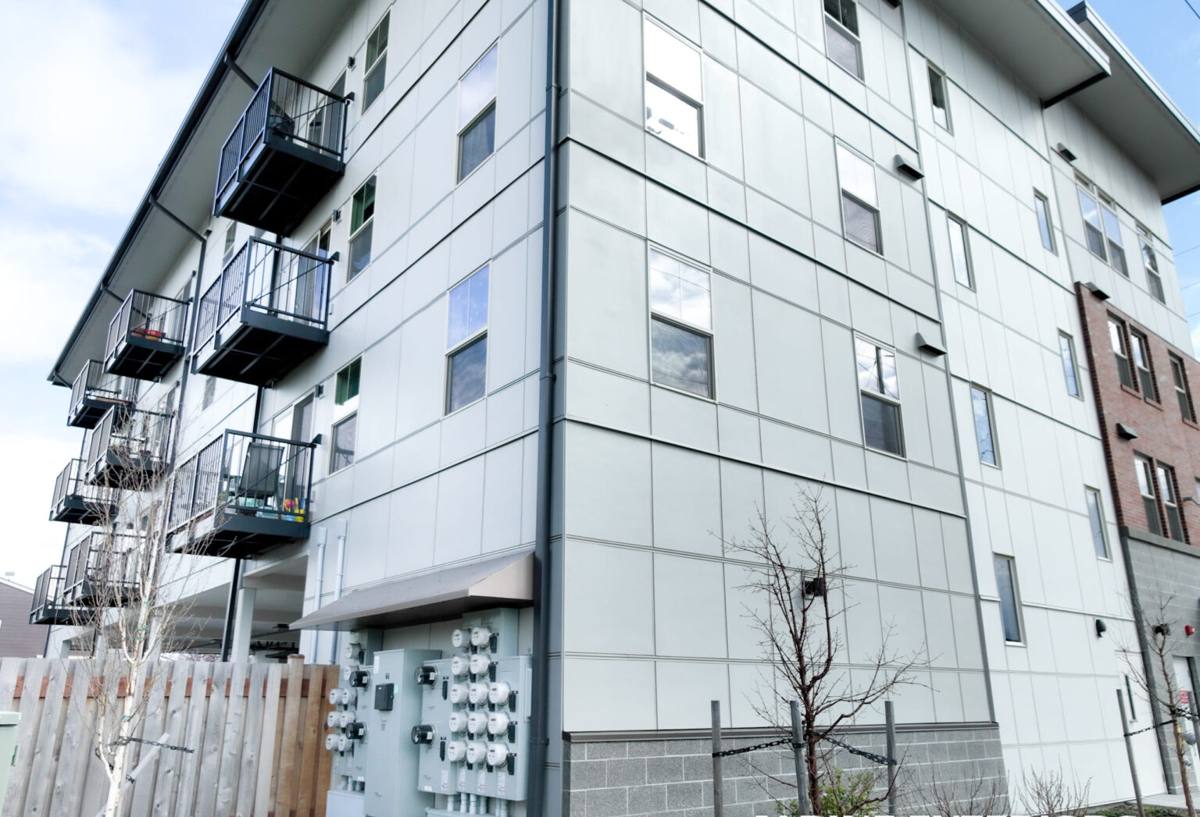
What the Local Climate Actually Does to Windows
Salt Air
Even homes a few miles inland from the water get some exposure to salt-carrying air, especially during winter storms. Salt accelerates corrosion on hardware — hinges, locks, balance mechanisms — and can degrade certain finishes over time. It's one reason we pay attention to what a window's hardware and exterior cladding are actually made of, not just how the window looks in a showroom.
Driving Rain
Wind-driven rain doesn't just fall on a window, it gets pushed into any gap in the flashing or sealant. A window that's perfectly efficient on paper but installed with a weak weather barrier will leak the first time a real Pacific storm comes through sideways. This is why installation quality matters as much as the product spec sheet.
Moss and Persistent Dampness
Whatcom County's long wet season means anything horizontal or shaded stays damp for extended stretches. Wood sills and frames that aren't properly sealed or that use lower-grade cladding are the first place we see moss, algae staining, and eventually soft or rotting wood. Window selection and detailing at the sill are where this gets solved or where it gets ignored.
What "Energy-Efficient" Actually Means
The term gets used loosely, so it's worth being specific about what actually matters for a house in this region.
- U-factor — measures how much heat escapes through the window. Lower is better for our heating-dominated climate.
- SHGC (Solar Heat Gain Coefficient) — measures how much solar heat passes through. In the Pacific Northwest, moderate SHGC is usually the right call since we don't have extreme summer heat to block out.
- Air infiltration rating — how much air leaks around the sash even when it's closed and locked. This is often the biggest driver of a drafty feeling in older homes.
- Condensation resistance — how well the window resists moisture forming on the interior glass during cold, damp stretches, which is common here given our humidity.
A window can have excellent glass and still perform poorly if the frame material, spacer system, or installation lets air and moisture bypass all of that engineering. That's why we look at the whole assembly, not just the glass package.
Signs Your Ferndale Home's Windows Need Attention
- Noticeable draft near the sash even when the window is locked
- Condensation or fogging between the panes of double- or triple-pane glass (a failed seal)
- Visible moss, algae, or dark staining on the sill or lower frame
- Wood that feels soft or spongy at the sill or corners
- Difficulty opening, closing, or locking the window smoothly
- A noticeable temperature difference near the window compared to the rest of the room
- Rising heating costs without any other change in the home
Any one of these on its own might just mean a tune-up or resealing job. Several together, especially on windows original to an older home, usually points to full replacement being the more cost-effective long-term move.
What a Correct Installation Involves
The window itself is maybe half the job. The other half is how it's set into the wall, and that's where we see the most corner-cutting from crews unfamiliar with this climate.
Flashing and Water Management
Proper flashing directs any water that gets past the exterior trim back out and away from the wall framing, rather than letting it pool at the sill. This includes sill pans, properly lapped house wrap, and flashing tape sequenced correctly so water always sheds downward and outward.
Sealing Without Trapping Moisture
It's tempting to just caulk everything heavily and call it weathertight, but sealing the wrong layer can trap moisture inside the wall instead of keeping it out. A correct installation seals the air barrier on the interior while still allowing any incidental moisture in the wall assembly to dry out or drain, rather than sealing it in on both sides.
Fit and Shimming
A window that's out of square or improperly shimmed will bind, won't seal evenly, and puts uneven stress on the frame — which shows up later as drafts or operating problems even if the product itself was high quality.
Frame and Glass Options for This Climate
| Frame Material | How It Handles Salt Air & Moisture | Maintenance |
|---|---|---|
| Vinyl | Doesn't corrode or rot; performs well against salt air and moisture | Low — occasional cleaning |
| Fiberglass | Very stable in temperature swings and moisture; strong long-term option | Low |
| Wood-clad | Good insulator but the exterior cladding and sill detailing must be done right to prevent moisture intrusion at the wood core | Moderate — sills and joints need periodic inspection |
| Aluminum | Conducts heat and cold, and is more prone to corrosion near salt air unless well-finished | Moderate to high |
We don't push one material on every homeowner. Vinyl and fiberglass tend to be the lowest-maintenance choices for this specific climate, which is why they come up most often in our recommendations for Ferndale and the surrounding area — but budget, the home's existing architecture, and personal preference all factor in.
Glass Packages
Double-pane with a quality low-E coating and argon fill is the baseline we'd recommend for most homes here. Triple-pane adds another layer of insulation and sound dampening and can be worth it for homes closer to the water or busier roads, but it comes at a higher cost and added weight on the frame and hardware — something to weigh rather than assume is automatically the better choice.
Our Process
- On-site assessment. We look at existing window condition, framing, and any signs of past moisture issues before quoting anything.
- Honest recommendation. We'll tell you if a window needs replacement versus just resealing or hardware repair — replacement isn't always the answer.
- Product selection. We walk through frame material and glass package trade-offs based on your home's exposure and budget, not a one-size pitch.
- Installation. Proper flashing, sill pan, air-sealing, and shimming — the details that determine whether the window performs for 20+ years or starts failing in five.
- Walkthrough and cleanup. We confirm operation, check seals, and leave the site clean.
Cost Factors to Understand Before You Get Quotes
| Factor | Why It Matters |
|---|---|
| Frame material | Vinyl and fiberglass typically differ in upfront cost; fiberglass often costs more but can offer longer service life |
| Glass package | Triple-pane and specialty low-E coatings add cost but also add insulation and sound reduction |
| Number of openings | Full-home replacement usually brings a better per-window price than doing a few at a time |
| Condition of existing framing | Rot or water damage found during removal adds repair work before the new window can go in correctly |
| Access and window size | Second-story, oversized, or hard-to-access openings take more labor time |
We give straightforward, itemized estimates so you can see what you're actually paying for — not a single lump number with no explanation.
Why a Crew That Already Works in Ferndale Matters
A contractor who works this specific stretch of Whatcom County regularly already knows what wind-driven rain does to a poorly flashed sill, what salt exposure does to hardware over a few winters, and which sill and cladding details actually hold up through a wet season rather than just looking good on installation day. That's not something you get from a crew that mostly works drier inland climates and treats every job the same way. Local experience shows up in the small decisions — how flashing gets lapped, what sealant is used where, how a sill is pitched — that you won't see on a spec sheet but will absolutely notice in year three or four.
Maintaining Your Windows After Installation
- Rinse frames and sills periodically to clear salt residue, especially after winter storms
- Keep weep holes clear of debris and moss so water can drain properly
- Check and lightly lubricate hardware annually to prevent corrosion-related sticking
- Inspect exterior caulking each year and touch up as needed before wet season starts
- Address any moss growth on sills promptly rather than letting it establish
A well-installed, quality window in this climate should need very little beyond basic upkeep — but "very little" isn't "none," and a few minutes a year goes a long way toward getting the full lifespan out of the investment.
If your Ferndale home has drafty windows, fogged glass, or sills that never seem to fully dry out, we're happy to take a look and give you a straightforward, no-pressure estimate. Fill out the form below and we'll get back to you.