 Blaine Window
 Building a Deck That Actually Holds Up in Birch Point
Birch Point sits close enough to the water that every deck built here is, in effect, a marine structure. Salt-laden air, wind off the Strait, driving rain much of the year, and a long moss season all put stress on outdoor structures that a deck built the same way you'd build one twenty miles inland simply won't handle as well. We build decks for this stretch of Whatcom County regularly, and the difference between a deck that looks good for three years and one that holds up for two decades usually comes down to a handful of decisions made before the first board goes down.
This page is about deck building specifically for Birch Point — what the local exposure demands, what a correctly built deck actually involves below the surface, and how we approach the job so you're not the one discovering a problem five years from now.
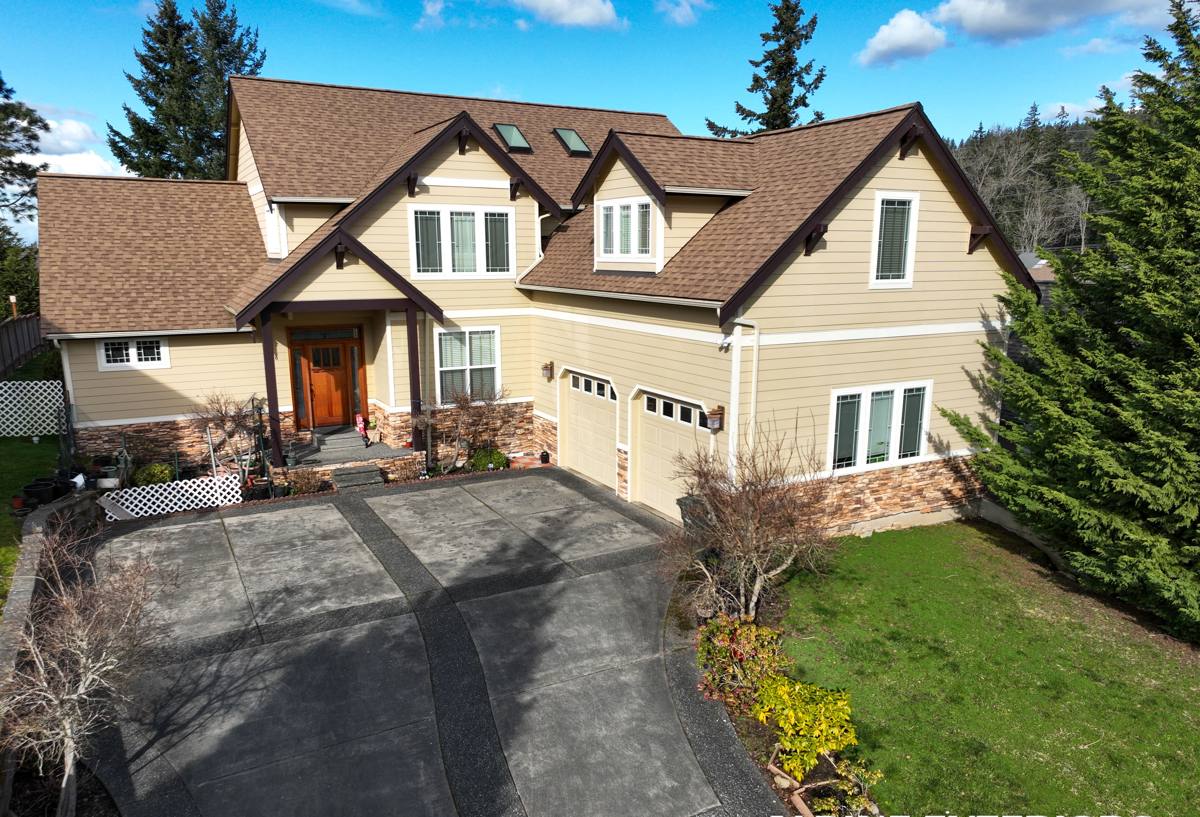
What Birch Point's Exposure Actually Does to a Deck
Homes closer to the water get more of everything: more wind-driven rain hitting vertical surfaces and railings, more airborne salt that accelerates corrosion on anything metal, and more shade and moisture retention where trees or the house itself block afternoon sun. That combination is exactly what shortens the life of a poorly built deck.
- Salt air corrodes uncoated or low-grade fasteners and hardware faster than most homeowners expect — often visibly within a couple of seasons.
- Driving rain pushes water sideways into ledger connections, rail post bases, and stair stringers, not just straight down onto the decking surface.
- Shaded, damp areas grow moss and algae on decking boards, especially on the north side of a house or under tree cover, creating a slip hazard and a maintenance headache.
- Wind exposure near open water puts more lateral load on railings and taller deck structures than most inland codes anticipate.
None of this means a deck near the water is a bad idea — it just means the build has to account for these conditions from the ground up, not patch around them later.
Choosing Decking Material for This Climate
There's no single "best" decking material — there's a best material for your budget, your maintenance appetite, and how exposed your specific site is. In a marine climate like Birch Point's, the trade-offs shift a bit compared to a drier, inland lot.
| Material | How it handles Birch Point's climate | Maintenance |
|---|---|---|
| Pressure-treated wood | Affordable and strong, but needs consistent sealing to resist moss, checking, and moisture uptake in a wet climate | Annual cleaning and re-sealing recommended |
| Cedar | Naturally rot-resistant and handles moisture well, but greys and needs periodic finish maintenance to stay looking new | Cleaning plus refinishing every few years |
| Composite decking | Resists moisture absorption and won't splinter or check, though it can still grow surface moss/algae in shaded, damp spots | Periodic washing; no sealing or staining |
| PVC/capped polymer decking | Fully sealed surface handles rain and salt air well; among the lowest-maintenance options for shaded, wet areas | Occasional washing |
We'll walk through these options with you honestly, including what they cost up front versus what they cost you in upkeep over ten or fifteen years. A cheaper board that needs annual sealing to survive this climate isn't necessarily the cheaper choice long term.
Composite and PVC Are Not Maintenance-Free
One thing worth being straight about: composite and PVC decking are sold as "low maintenance," and they are — relative to wood. But in a shaded, damp climate like this one, any decking surface can grow a thin layer of moss or algae if it doesn't get sun or airflow. That's a function of the site and climate, not a defect in the product. We'll tell you honestly if part of your yard is going to need more frequent washing regardless of what material you choose.
What Happens Below the Decking — Where Most Failures Start
The boards you walk on get all the attention, but the framing underneath is what actually determines how long a deck lasts. This is also where a rushed or corner-cutting build fails first, usually out of sight until it's a real problem.
Footings and Posts
Footings need to be sized and set to Whatcom County code for your soil and frost conditions, with posts properly anchored — not just resting on a footing. On sites with any slope or drainage concerns, which describes a fair amount of ground near Birch Point, footing placement and drainage around the post matter more than they would on a flat, well-drained inland lot.
Ledger Attachment and Flashing
Where a deck attaches to the house is the single most common source of rot and structural failure in decks anywhere, and driving rain makes it worse here. Proper ledger flashing — installed so water is directed out and away from the house wall, never trapped behind the ledger board — is non-negotiable. This is one of those details that's invisible once the deck is finished, which is exactly why it's worth asking about before construction starts.
Joist Framing and Spacing
Joist spacing affects both the strength of the deck and how well it drains and dries. Tighter spacing than necessary can trap moisture between boards; framing that isn't square or properly braced shows up later as squeaks, sag, or uneven boards. We frame to handle the actual loads your deck will see — furniture, hot tubs if applicable, and gatherings — not just the code minimum.
Fasteners and Hardware: Why Salt Air Changes the Rules
This is the detail that separates a deck built for this specific location from one built with generic, big-box hardware. Airborne salt accelerates galvanic corrosion, and a deck built with standard coated screws and brackets near the water can show rust streaks and failing connections years before an inland deck would.
- Stainless steel fasteners for anything exposed to weather, especially rail post connections and hidden fastener systems.
- Corrosion-resistant, coated structural hardware rated for the connector manufacturer's marine or coastal-exposure spec, not just the standard-duty version.
- Hot-dip galvanized or stainless connectors at every structural joint — ledger bolts, joist hangers, post bases.
- Correct fastener-to-material pairing, since some coated fasteners react badly with certain treated lumber chemicals over time.
It costs more to spec hardware this way. It's also the difference between a deck whose connections are still sound at year fifteen and one that needs structural repairs at year six.
Railings, Stairs, and Wind
Open exposure near the water means railings take more direct wind load than they would on a sheltered, inland deck. Post spacing, post-to-frame connection strength, and baluster attachment all need to be built to handle that lateral force, not just to pass a visual inspection. If your deck has a view worth having — and a lot of Birch Point properties do — cable or glass rail systems are popular choices, but they carry stricter engineering requirements for post strength than standard baluster railing. We size the structure to the rail system you choose, not the other way around.
Stair stringers and landings near grade also need attention to drainage and ground contact in a climate that stays wet for long stretches of the year, so the bottom of the stair structure isn't sitting in standing water through the winter.
Our Deck Building Process
The process itself isn't unusual — it's the attention to the details above, at each step, that makes the difference in this climate.
- On-site assessment of your specific lot: sun exposure, drainage, wind exposure, and how close you are to the water.
- Material and design conversation, including honest maintenance trade-offs for your site's specific conditions.
- Permitting through Whatcom County or the City of Blaine, as applicable to your property.
- Footing and framing built to spec, with corrosion-resistant hardware throughout — not just at visible connections.
- Proper ledger flashing and water management at every point the deck meets the house.
- Decking installation with attention to drainage gaps and airflow, especially in shaded sections.
- Railing and stair install sized to actual wind and load conditions for your site.
- Final walkthrough covering what maintenance your specific deck and material will actually need.
A Practical Pre-Build Checklist for Homeowners
- Confirm whether your lot needs a permit and whether any setback or bluff-related rules apply.
- Decide how much annual maintenance you're realistically willing to do before choosing a material.
- Identify shaded or low-airflow areas of your yard that will need more frequent cleaning regardless of material.
- Ask what fastener and hardware grade is being used, not just what decking brand.
- Confirm ledger flashing details in writing before the ledger goes up — it's hard to verify after the fact.
Living With a Deck in a Wet, Mossy Climate
Even a well-built deck needs some seasonal attention here. A yearly wash-down before moss and algae get established, keeping gutters and downspouts clear so they're not dumping extra water onto or near the deck, and a quick check of railing connections for any looseness after a hard windstorm will keep a properly built deck performing the way it should for decades. Wood and cedar decks need more — periodic sealing or refinishing on a schedule, not just when they start looking rough.
Why Hire a Crew That Already Works Birch Point
A lot of deck problems we get called to look at weren't built badly out of laziness — they were built by a crew using standard practices that work fine in a drier, more sheltered part of the country and don't hold up the same way here. Knowing which hardware grade actually matters, where flashing details need extra attention on a waterfront lot, and which shaded corners of a yard are going to need more upkeep isn't something you learn from a spec sheet. It's something you learn by building and maintaining decks in this specific climate, on this specific stretch of Whatcom County, over years. That's the experience we bring to a Birch Point deck project.
If you're planning a new deck or replacing one that hasn't held up, we're happy to take a look at your property and talk through what it actually needs. Use the form below to request a free, no-pressure estimate.