 Blaine Window
 Window Replacement Built for Grandview's Conditions, Not a Generic Climate
Grandview homes sit close enough to the water and the weather patterns coming off Semiahmoo Bay and Drayton Harbor that windows here age differently than windows twenty miles inland. Salt-laden air, wind-driven rain that hits siding and window frames sideways rather than straight down, and long stretches of shaded, damp weather that feed moss and mildew all put extra stress on window assemblies. A window that's rated fine for a national average doesn't automatically hold up the same way in this specific pocket of Whatcom County. When we replace windows in Grandview, we're not just swapping old glass for new — we're accounting for how this particular microclimate attacks hardware, seals, and frames over the years.
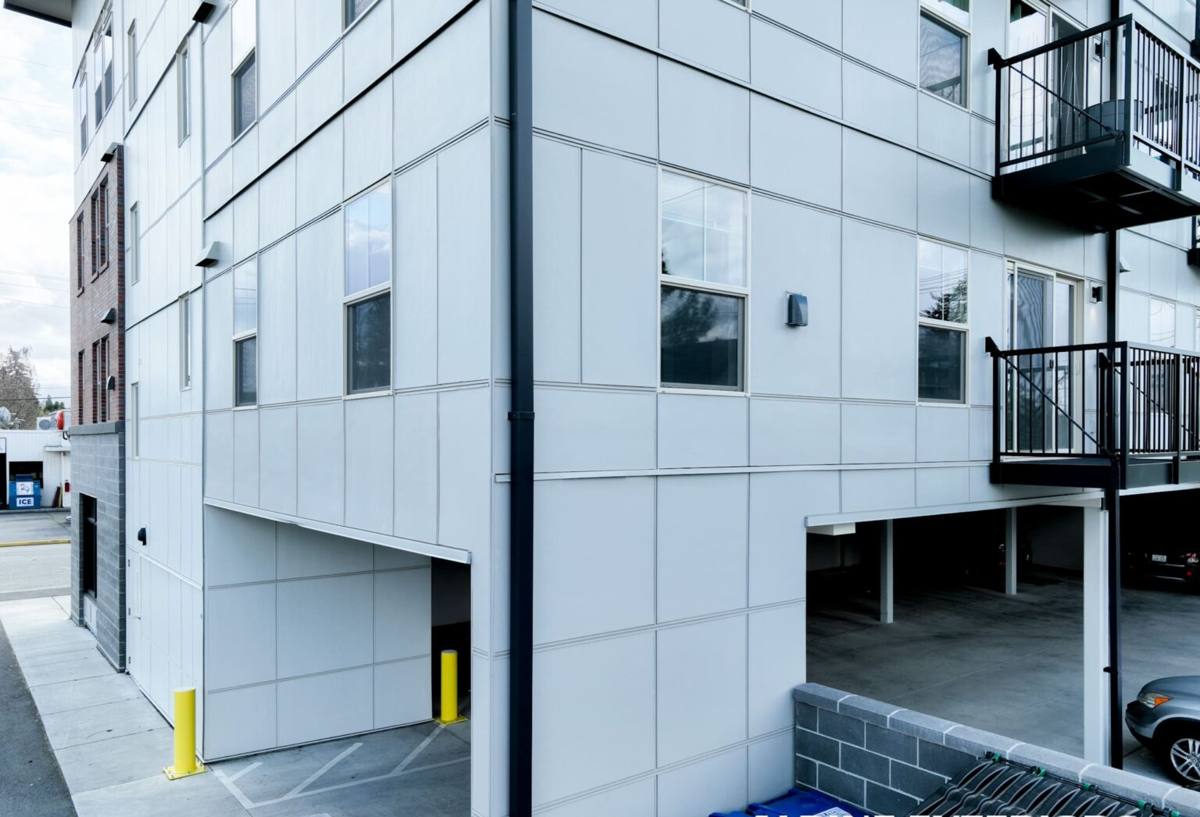
What Grandview's Climate Actually Does to Windows Over Time
Salt Air and Metal Corrosion
Airborne salt from the bay settles on everything outdoors, including window hardware. Cheap or unprotected fasteners, hinges, and cranks corrode faster here than they would inland. Once corrosion starts on a lock or crank mechanism, windows get harder to operate, and that's often the first sign homeowners notice — long before the glass itself fails.
Driving Rain and Water Intrusion
Blaine's storms frequently come with real horizontal push behind them. Water gets driven into gaps that would stay dry in a calmer climate. Over years, that means slow moisture intrusion around poorly flashed or poorly caulked window openings, which shows up later as soft trim, stained drywall, or a musty smell near the window frame.
Moss, Shade, and Persistent Dampness
Grandview's tree cover and long grey stretches keep moisture sitting on north- and east-facing walls longer than on more exposed sides of a house. Moss doesn't just grow on roofs — it colonizes window sills, trim, and the top of frames, holding moisture against the wood or vinyl and accelerating rot or seal breakdown in exactly the spots homeowners check least often.
Signs a Grandview Home Actually Needs Window Replacement
Not every issue means full replacement — some problems are solved with re-caulking or hardware repair. But these are the signs that point to the window unit itself being past the point of a simple fix:
- Fogging or a permanent haze between panes (failed seal on double-pane glass)
- Visible soft or spongy wood at the sill or lower frame corners
- Windows that won't stay open, won't latch, or have seized cranks from corrosion
- Persistent moss or black staining on the frame that returns shortly after cleaning
- Noticeable draft or cold spot near the window even with it fully closed
- Condensation forming on the interior glass regularly during cool months
- Visible daylight or gaps around the frame from the exterior
What a Correct Window Replacement Job Involves in This Climate
Flashing and Water Management First
The window unit itself is only part of the job. What actually keeps water out over the next 20 years is how the opening is flashed and how the new unit ties into the house wrap or building paper behind the siding. In a driving-rain climate, we treat proper flashing sequencing — not just caulk on top — as non-negotiable. Caulk alone fails; correctly lapped flashing directs water back out even if a seal eventually degrades.
Frame Material Matched to Exposure
Not every window on a house faces the same conditions. A window on the side that catches the brunt of storms off the bay deserves a different level of material resistance than one tucked under an eave on a sheltered wall. We factor in orientation and exposure when recommending frame material, rather than specifying the same product for every opening regardless of where it sits.
Glass Package and Hardware
Beyond frame material, the glass package (pane count, gas fill, low-E coatings) affects both energy performance and condensation resistance — relevant given how much of the year Grandview stays cool and damp. Hardware finish matters too; corrosion-resistant cranks, locks, and hinges cost a little more up front and save real frustration five years down the road.
Comparing Frame Materials for Coastal, Wet-Climate Homes
There's no single "best" window material for every home — it depends on budget, exposure, and how much upkeep you want to take on. Here's how the common options actually perform under Grandview-type conditions:
| Material | Salt Air / Corrosion Resistance | Maintenance Needed | Typical Cost Tier |
|---|---|---|---|
| Vinyl | Good — won't rust or corrode | Low; occasional cleaning | Lower |
| Fiberglass | Very good — stable and inert in salt air | Low | Mid to higher |
| Aluminum-clad wood | Good exterior protection if properly sealed | Moderate; watch cladding seams | Higher |
| Unclad wood | Weakest without diligent upkeep | High — regular painting/sealing required | Mid to higher |
We don't push unclad wood on exposed elevations in this climate as a matter of professional standard — not because wood is a bad material, but because the maintenance burden it demands in driving rain and salt air is more than most homeowners want to sign up for. If you love the look of wood, clad options give you that appearance with far less exposure risk.
A Note on Warranty Structure
Manufacturer warranties on replacement windows vary widely in what they actually cover — glass seal failure, hardware, and finish are often covered separately, with different terms. We walk homeowners through what's actually protected before installation, since a warranty that looks good on paper isn't worth much if it excludes the exact failure mode this climate tends to cause.
Our Process for a Grandview Window Replacement
- On-site assessment of each window opening, noting exposure, existing water damage, and framing condition
- Honest recommendation on frame material and glass package per window, not a one-size-fits-all quote
- Removal of old units with inspection of the rough opening for hidden rot before anything new goes in
- Correct flashing and sealing sequence around each opening, tied properly into the existing wall assembly
- Installation, leveling, and insulation of the new unit, followed by exterior trim and caulk finishing
- Final operation check on every window — locks, cranks, and screens — before we consider the job done
If we find rot or water damage in the framing during removal, we stop and talk to you before proceeding, rather than closing a new window over a problem that was already there.
What Affects the Cost of Window Replacement Here
Every home's quote looks a little different, but the main variables are consistent from house to house:
| Cost Factor | Why It Matters |
|---|---|
| Number and size of windows | Larger openings and more units mean more material and labor |
| Frame material chosen | Vinyl, fiberglass, and clad-wood options carry different price tiers |
| Existing rot or framing damage | Discovered damage requires repair before the new window can go in correctly |
| Access and exposure | Upper-story or hard-to-reach windows take more time and equipment |
| Glass and hardware upgrades | Triple-pane, specialty coatings, or upgraded hardware add cost |
We'd rather walk your specific windows and give you real numbers than quote a broad range that doesn't reflect your home.
Why a Crew That Already Works in Grandview Makes a Difference
A contractor who's replaced windows across this area already knows which elevations tend to hide water damage, which frame materials actually hold up here versus just on a spec sheet, and how local flashing details need to interact with the siding types common on Grandview homes. That's not something you can fully substitute with a generic install crew working from a national playbook. It also means faster, more accurate estimates — less guessing, fewer surprises once the old windows come out.
Protecting Your New Windows Once They're In
New windows still need a little seasonal attention in this climate to get their full lifespan:
- Rinse salt residue and grime off exterior frames a couple of times a year
- Clear moss or debris from sills and tracks before it gets a foothold
- Check that weep holes on the exterior stay clear so water can drain out
- Lubricate hardware annually if it starts to feel stiff
- Re-caulk any hairline gaps in exterior trim as soon as you notice them
None of this is heavy maintenance — it's the difference between windows that look and perform well for decades and ones that quietly start failing from the outside in.
If you're noticing drafts, fogged glass, or stuck hardware on a Grandview home, we're happy to come take a look and give you a straight answer on what's actually needed. Fill out the form below for a free, no-pressure estimate.