 Blaine Window
 Siding Installation Built for Birch Point
Birch Point sits on the water in Blaine, close enough to the shoreline that salt air is part of everyday life for the homes out there, not an occasional condition. That exposure, paired with the driving rain that comes off the water through fall and winter and a moss season that can run most of the year on shaded walls, makes siding installation in this part of Whatcom County a different job than siding work a few miles inland. We install siding in and around Birch Point regularly, and this page is about that one job — siding installation for this one stretch of Blaine — not a general overview of everything we do.
On siding, we install James Hardie fiber cement exclusively. We don't offer LP SmartSide, vinyl, Cemplank, Allura, primed spruce, or cedar as alternatives. That's a professional standard we've settled on, and in a waterfront setting like Birch Point, it matters more than it would somewhere drier and more sheltered.
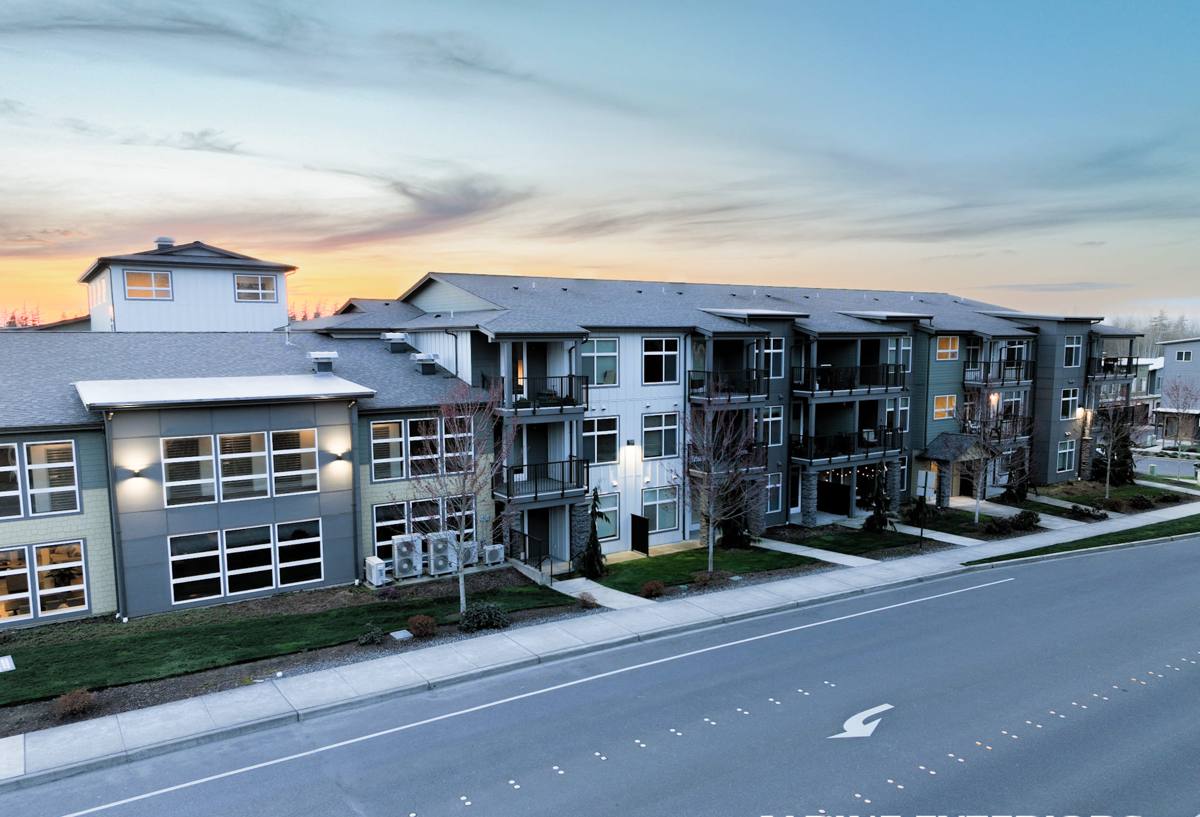
Why Birch Point's Climate Changes the Job
Salt Air Against the Wall Assembly
Homes close to the water take a steadier dose of salt-laden air than homes set back from the shoreline. Salt speeds up corrosion on fasteners, flashing, and any exposed metal trim, and it wears through lower-quality paints and coatings faster than a dry inland climate ever would. On a Birch Point job, that means the fastener grade, flashing material, and finish quality all have to be chosen with corrosion resistance in mind from the start — not treated as a detail to worry about later.
Driving Rain, Not Just Rainfall
Water off the bay doesn't arrive as a simple vertical drizzle. Wind pushes it sideways into wall assemblies, into window and door flashing, and into the joints where trim meets siding. That sideways load is harder on a house than the same rainfall total falling straight down, and it's exactly the kind of moisture that exploits any gap a rushed installation leaves behind. A siding job done for a calm, dry site doesn't automatically hold up here — the detailing has to account for water coming in at an angle.
A Long Moss and Mildew Season
Mild temperatures and near-constant dampness add up to a moss and mildew season that can run most of the year on north-facing or tree-shaded walls. Any siding surface that stays wet longest is the first to show growth, and any material with even slight surface porosity gives moss and mildew something to hold onto. On Birch Point lots with mature trees or shaded north walls, that growth pattern tends to show up earlier and spread further than it would on a sunnier, more exposed elevation.
What a Correct Siding Job Requires Here
Fiber cement only performs the way it's engineered to when the installation follows spec, and in a climate like Birch Point's, a few details matter more than they would elsewhere:
- Correct fastener type and spacing — corrosion-resistant fasteners driven at the manufacturer's specified pattern, not just enough to hold the board up
- Proper clearance from grade, roof lines, and decks — siding installed too close to the ground or a roof surface stays wet longer and invites rot at the substrate
- Rain-screen or drainage detailing behind the panels — a small air gap lets incidental moisture drain and dry instead of sitting against the wall sheathing
- Factory-mitered or properly caulked joints — every seam is a potential entry point for wind-driven rain if it's not sealed or fitted correctly
- Correctly lapped flashing at windows, doors, and penetrations — this is where most water intrusion actually starts, not in the field of the siding itself
None of this is exotic. It's the manufacturer's published installation spec, applied consistently. The reason it matters more in Birch Point than in a sheltered inland location is that the margin for error is thinner — a loose detail that might go unnoticed for years elsewhere tends to show up in one or two wet seasons this close to the water.
Why We Only Install James Hardie in This Area
We used to install a wider range of siding products. We stopped, and the decision came out of what we kept finding on tear-offs and service calls in coastal, high-moisture parts of Whatcom County — Birch Point among them — not from a supplier relationship.
- Non-combustible core: Fiber cement doesn't feed a fire the way wood-based siding can, which matters for safety and can matter for insurance.
- Factory-applied ColorPlus finish: The color is baked on under controlled factory conditions instead of brushed on in the field, so it resists fading, chalking, and moisture damage longer than site-applied paint.
- Climate-engineered HZ product lines: Hardie's HZ5 formulation is built for regions with sustained moisture and freeze-thaw cycling, which fits waterfront Whatcom County.
- Dimensional stability: Fiber cement doesn't swell, cup, or warp the way engineered wood products can after repeated wetting.
- Strong transferable warranty: Hardie backs the product with a solid warranty structure, provided installation follows their spec — which is why the installation details above aren't optional.
LP SmartSide, vinyl, Cemplank, Allura, primed spruce, and cedar all have a place in the market, and plenty of homeowners are satisfied with them in the right setting. But on a salt-exposed, water-facing lot like Birch Point, we've made a professional call to install one system we fully stand behind rather than offer something cheaper that shifts long-term maintenance risk onto the homeowner.
How the Job Runs, Start to Finish
Assessment and Scope
We walk the existing exterior first and look specifically at how the current siding, trim, and flashing have handled moisture and salt exposure over time. On a re-side, that includes checking the wall sheathing once old siding comes off, since hidden moisture damage is more common on Birch Point homes than on drier, inland properties. From there we put together a clear written scope before any work begins.
Prep and Weather Barrier
Before new siding goes up, we address any sheathing damage found during tear-off, confirm the weather-resistant barrier is intact or replaced, and set up drainage detailing behind the panels. This step gets skipped on rushed jobs, and it's usually the step that determines whether a house stays dry for decades or starts showing problems in a few wet winters.
Installation
Panels go up to Hardie's spec — correct fasteners, clearances, joint treatment, and flashing integration at every window, door, and penetration. On a job this close to the water, we don't treat any of those details as optional upgrades; they're the baseline.
Final Walkthrough
We walk the finished job with the homeowner, cover warranty paperwork, and go over any basic maintenance specific to a waterfront property — mainly what to watch for with moss growth and how to spot early signs of flashing or caulk wear during routine upkeep.
Comparing Siding Options for a Birch Point Home
| Material | Moisture Behavior | Maintenance in Salt Air | Typical Longevity Here |
|---|---|---|---|
| James Hardie fiber cement | Dimensionally stable, resists swelling | Low; factory finish resists fading and chalking | 30+ years with correct installation |
| Vinyl siding | Can warp or distort with heat and settle over time | Low upfront cost, but seams and fasteners are exposure points | Variable; shorter on exposed waterfront lots |
| LP SmartSide / engineered wood | Wood-based core is moisture-sensitive at cut edges and joints | Moderate; edge sealing and caulk upkeep matter | Depends heavily on installation quality and upkeep |
| Cedar / primed wood | Absorbs and releases moisture readily | High; regular refinishing needed in wet, salty air | Shorter without consistent, ongoing maintenance |
Why Hiring a Crew That Already Works Birch Point Matters
A crew that regularly works this stretch of Blaine already knows how salt exposure, wind direction off the water, and the local moss pattern behave on this specific shoreline — knowledge that only comes from doing the work here repeatedly, not from a general siding background. That familiarity shows up in decisions a homeowner doesn't always see directly: which elevation gets extra drainage detailing, where flashing needs to be lapped more generously, which fastener grade actually holds up against this level of salt air. Those are the choices that decide whether a siding job holds up for decades or starts needing repairs within a handful of wet seasons.
A Practical Checklist Before Hiring for Siding Work in Birch Point
- Ask what siding material they install and why, and whether they'll put the warranty in writing
- Confirm current Washington contractor licensing and active liability insurance
- Ask specifically how they detail flashing at windows, doors, and roof-to-wall transitions for wind-driven rain
- Ask about fastener corrosion resistance given the salt air this close to the water
- Get a clear, written scope of work, including tear-off and sheathing repair contingencies, before signing anything
If you're weighing a re-side or new siding installation on a Birch Point property, we're glad to walk the exterior with you and give an honest read on what it actually needs. Reach out below for a free, no-pressure estimate.