 Blaine Window
 Cherry Point's Climate Doesn't Forgive Weak Siding
Cherry Point sits along the Strait of Georgia north of Blaine, in Whatcom County, and homes out here take a beating that inland properties never see. Salt-laden air off the water works into seams and fastener heads. Wind-driven rain hits walls sideways instead of straight down, so it finds every gap a standard installation leaves behind. And because the sky stays overcast and damp for long stretches of the year, shaded and tree-lined lots grow moss and algae on north-facing walls almost continuously. This isn't a marketing description — it's the actual set of conditions a siding product has to survive here, year after year, without a break.
Most siding failures we see on Cherry Point homes aren't due to a bad product picked at random. They're due to a product that was never engineered for this specific combination of salt, moisture, and shade, installed the way it would be installed in a dry inland town. That gap between what a product can handle and what the climate demands is where problems start.
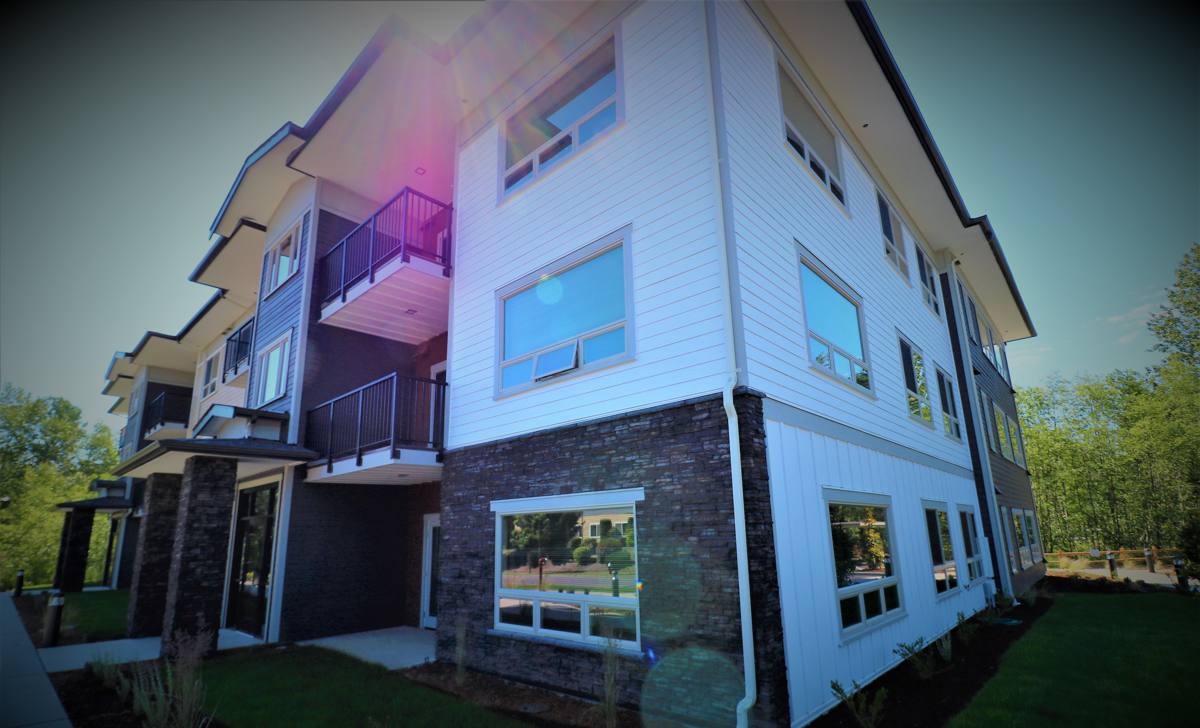
What Happens When Siding Isn't Built for This Environment
Salt air accelerates corrosion on fasteners and trim. Wood-based products swell, split, and rot faster when they stay damp for days at a time. Vinyl can warp or crack in temperature swings and offers moss and algae plenty of texture to grip onto. Even good products fail early when they're installed without the clearances, flashing, and fastening details this climate requires. The result is siding that looks fine for a few years and then starts showing cupping, staining, soft spots, or paint failure well before it should — usually right around window and door openings, at the bottom courses near grade, and on the sides of the house that face prevailing wind and rain.
None of this is inevitable. It's a product and installation problem, and it's solvable with the right material and the right crew.
Why We Install Only James Hardie Fiber Cement
We made a deliberate decision to install James Hardie fiber cement siding exclusively. We don't install vinyl, LP SmartSide, Cemplank, Allura, primed spruce, or cedar. That's not brand loyalty — it's a professional standard based on how these products actually perform in a marine climate like Cherry Point's over a 20-, 30-, and 40-year timeline.
Fiber cement is non-combustible, which matters given how many wildfire seasons the Pacific Northwest has had in recent years. It doesn't absorb water the way wood-based composite products can, so it doesn't swell, delaminate, or invite rot at cut edges and seams. It holds a factory-applied finish far longer than field-applied paint, and it doesn't warp or sag in heat and cold cycles the way vinyl can. When it's installed to Hardie's published specifications, it's one of the few siding products genuinely engineered for wet, salt-exposed, low-sun conditions like Cherry Point's.
What We Give Up by Not Offering Alternatives
We're upfront that this means we're not the right fit for every budget or every homeowner. Vinyl and engineered wood products are usually cheaper upfront, and some homeowners have a real preference for wood grain painted on-site. We simply won't sell a product we don't believe holds up here, so if that's what you're after, we're not going to pretend otherwise.
The HZ5 Product Line: Built for This Exact Climate
James Hardie engineers its siding in regional formulations called HZ (HardieZone) products, matched to specific climate zones across the country. Western Washington, including Whatcom County and the Cherry Point area, falls into the HZ5 zone — the formulation designed for consistent moisture exposure, moderate temperatures, and the freeze-thaw cycles this region does get in winter. HZ5 products are engineered with moisture management and durability priorities that differ from the formulations sold in hot, dry climates. Specifying the correct HZ line isn't a detail we treat as optional — it's the baseline for any siding job we take on in this area.
What a Correct Installation Actually Involves
James Hardie siding performs to its rated lifespan only when it's installed to the manufacturer's specifications. A rushed or generic install can undercut even the best material. On Cherry Point homes specifically, a handful of details matter more than they would inland:
- Correct clearance between the bottom edge of siding and grade, decks, and roof lines, so wind-driven rain and splash-back don't sit against the board
- Proper flashing and weather-resistive barrier integration behind every seam, window, and door opening — this is where most water intrusion starts
- Fastener placement and spacing that matches Hardie's engineering specs, using fasteners rated for salt-air corrosion resistance
- Correctly caulked and sealed joints using sealants compatible with fiber cement and rated for exterior, high-moisture exposure
- Ventilation behind the siding assembly (rainscreen or drainage plane) so any moisture that does get past the surface can dry out instead of sitting against the sheathing
- Careful attention to north-facing and shaded wall sections, where moss and algae growth is heaviest and where drainage details matter most
Skipping any one of these doesn't show up right away. It shows up in year three or four, as staining, soft trim, or paint failure at specific spots — usually the same spots, because they're the spots the installer cut corners on.
Installation Details at a Glance
| Detail | Why It Matters in Cherry Point |
|---|---|
| Bottom clearance from grade/decking | Prevents wind-driven rain splash-back from wicking into board edges |
| Rainscreen/drainage gap | Lets moisture from salt air and rain dry out instead of trapping against sheathing |
| Corrosion-resistant fasteners | Salt air accelerates standard fastener corrosion, leading to streaking and loosening |
| Flashing at penetrations | Wind-driven rain enters through gaps at windows, vents, and trim far more than through open field areas |
| HZ5-rated product selection | Matches the siding's engineering to this region's moisture and temperature pattern |
Our Process for a Cherry Point Siding Job
We keep the process straightforward and transparent, from the first walk-around to the final inspection:
- On-site assessment: We walk the exterior, check existing siding and sheathing condition, note drainage patterns, shaded walls, and exposure to prevailing wind and rain.
- Written estimate: You get a clear scope of work and pricing, including which Hardie product line and profile fit the home and budget.
- Prep and moisture check: We inspect sheathing for hidden rot or moisture damage before covering anything up — this is where problems from a prior installation often surface.
- Weather barrier and flashing: Proper house wrap, flashing, and drainage plane go in before a single piece of siding is hung.
- Installation to spec: Fastening, clearances, and joint sealing follow James Hardie's published requirements, not shortcuts.
- Final walkthrough: We review the finished job with you and confirm everything meets the standard we set for our own work.
Comparing Siding Options for a Cherry Point Home
Homeowners often ask us to explain, plainly, why fiber cement costs more upfront than the alternatives. Here's the honest comparison we'd give a neighbor:
| Factor | Vinyl | Engineered Wood (LP-type) | James Hardie Fiber Cement |
|---|---|---|---|
| Upfront cost | Lowest | Moderate | Higher |
| Moisture/rot resistance | Doesn't rot, but seams can leak | Vulnerable if moisture reaches wood fiber | Doesn't rot; engineered for wet climates |
| Salt air performance | Can chalk and become brittle | Finish and edges wear faster | Holds up well with correct fasteners |
| Fire resistance | Combustible | Combustible | Non-combustible |
| Finish longevity | Fades over time, can't be easily repainted | Field-applied paint needs earlier recoating | ColorPlus factory finish holds color longer |
Maintenance Checklist for Cherry Point Homeowners
Even the right product benefits from a little seasonal attention in this climate. A few minutes a couple times a year keeps small issues from becoming expensive ones:
- Rinse salt residue and grime off siding once or twice a year, especially on wind-facing walls
- Check caulking at window and door trim annually for cracking or gaps
- Trim back vegetation and tree branches that keep walls shaded and damp longer than necessary
- Look at north-facing and shaded sections for early moss or algae growth and clean gently before it builds up
- Inspect the bottom courses near grade and decking for staining or debris buildup that traps moisture
Warranty and Long-Term Value
James Hardie backs its siding products with a strong manufacturer warranty, and ColorPlus finished products carry a separate finish warranty covering fading and chipping. These warranties are transferable if you sell the home, which matters to buyers in a coastal market where siding condition gets scrutinized during inspection. Because we install strictly to Hardie's specifications, the workmanship behind the job supports that warranty rather than working against it — a common source of denied warranty claims is installation that didn't follow the manufacturer's requirements in the first place.
Why Local Experience on This Coastline Matters
A crew that already works in Cherry Point and around Blaine has already seen how a particular lot's shade pattern, wind exposure, or proximity to the water changes what a correct installation needs. That's different from general siding experience. We size up clearance, drainage, and fastener choices with this specific stretch of Whatcom County coastline in mind, not a generic checklist written for a drier region.
If you're weighing a siding replacement or repair on a Cherry Point home, we're happy to walk the property, look at what's there now, and give you a straight assessment — no pressure, no upsell into a product we wouldn't put on our own homes. Reach out for a free estimate and we'll tell you exactly what we see and what it would take to do the job right.