 Blaine Window
 Deck Repair Built for Grandview's Coastal Climate
Grandview sits within the Blaine area of Whatcom County, and like the rest of town, homes here deal with salt-laden air, driving rain, and a moss season that runs longer than most homeowners expect. A deck is one of the most exposed structures on any property — no roof over it, no siding around it, just boards, fasteners, and framing sitting outside year-round in whatever the weather brings. Over time, that exposure catches up with even a well-built deck, and the fixes that work in a drier, more sheltered climate often don't hold up here.
This page covers deck repair specifically for Grandview homes: what this climate actually does to a deck, what a correct repair involves, how to tell a fixable problem from one that means starting over, and how our process works when you call us about a deck that needs attention.
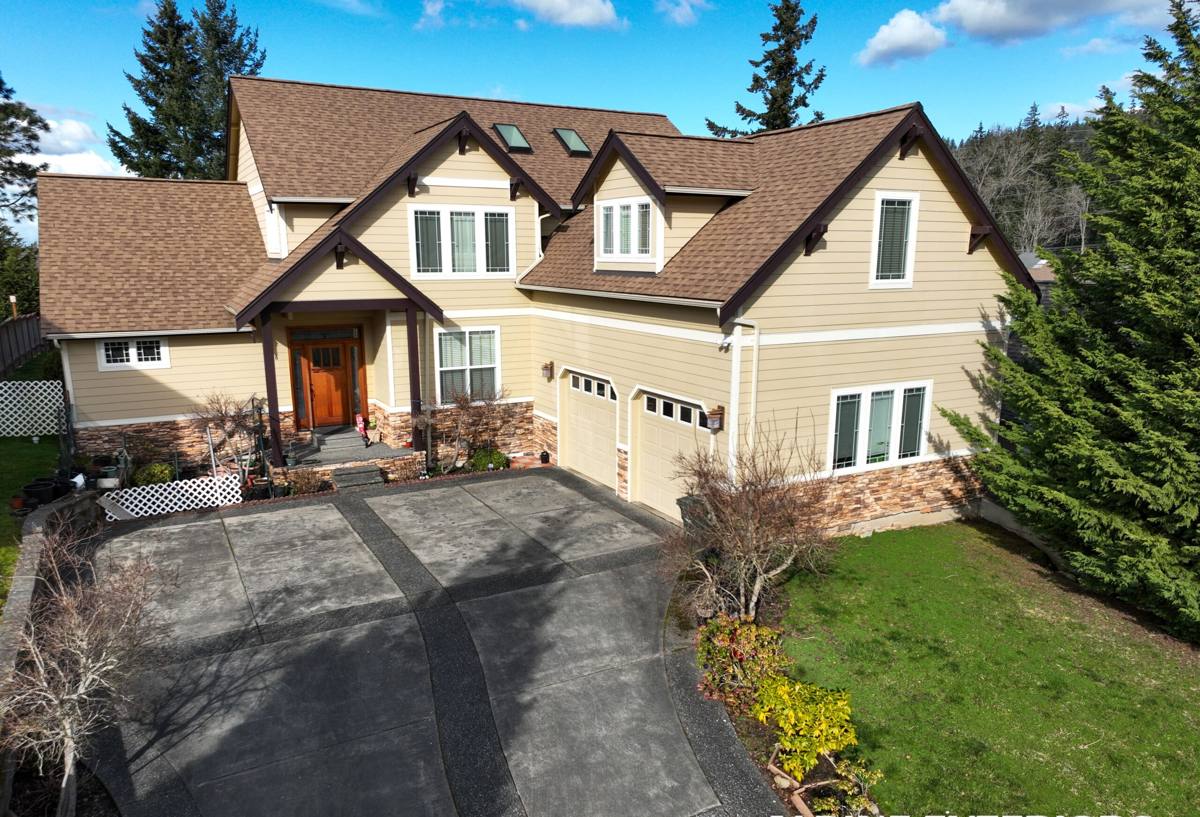
How Blaine's Climate Wears Down a Deck in Grandview
Salt Air and Corroding Hardware
Grandview homes get a steady dose of salt-laden air off the water, and that air works on exposed metal every day whether anyone notices or not. Deck fasteners, joist hangers, post brackets, and railing hardware are all vulnerable, and once corrosion starts it weakens holding strength well before it's visible on the surface. A repair that just patches the wood while leaving corroded hardware in place is addressing the symptom, not the cause.
Driving Rain and Trapped Moisture
Rain in this area doesn't always fall straight down — wind pushes it sideways and drives it into places a deck's original design may not have accounted for well: under railing posts, into the ledger connection where the deck meets the house, and between boards that have started to cup or gap. Trapped moisture is the single biggest driver of the rot and soft-spot problems we see on repair calls, and it's often hiding under a deck surface that still looks fine from a few feet away.
A Moss Season That Doesn't Let Up
Mild, damp conditions give moss a long growing season here, and a horizontal deck surface holds water and shade in a way that vertical siding doesn't. Moss itself isn't structural damage, but it holds moisture against the board surface for extended periods, and that sustained dampness is what eventually leads to softening, staining, and premature wear — especially on shaded or north-facing sections of a deck.
Common Deck Problems We Find on Repair Calls in Grandview
Most of the repair calls we get in this area trace back to the same handful of climate-driven issues, just at different stages. Loose or wobbly railings usually mean corroded or backed-out fasteners at the post connections, not necessarily a design flaw. Soft or spongy spots underfoot point to trapped moisture and early rot in the decking or the framing beneath it. Rust streaks bleeding from screw heads or hardware are an early warning sign worth acting on before the surrounding wood softens. Boards that have cupped, crowned, or developed wide gaps are usually reacting to repeated wet-dry cycling. And a ledger board — where the deck attaches to the house — that shows staining, softness, or gaps around its flashing is one of the more serious issues we look for, since a failing ledger connection is a structural safety concern, not a cosmetic one.
Repair or Replace? What Actually Decides It
Not every deck problem means starting over, and not every deck is worth patching indefinitely. The honest answer depends on where the damage is and how far it's spread.
| Factor | Usually Repairable | Usually Points to Replacement |
|---|---|---|
| Framing condition | Isolated soft spots on one or two joists | Widespread rot across the substructure |
| Ledger connection | Minor flashing gaps caught early | Sustained moisture intrusion behind the ledger |
| Decking surface | A handful of damaged or cupped boards | Most of the surface showing wear at once |
| Hardware and fasteners | Scattered corrosion on newer hardware | Fasteners failing throughout an older deck |
| Posts and footings | A single settled or shifted post | Multiple footings out of level or undersized for code |
As a general rule, if the framing and footings are sound and the damage is contained to the surface or a section of railing, repair is the straightforward, cost-effective path. When the damage has reached the structural framing in multiple places, or the deck is old enough that fixing one area just means the next area fails a season later, we'll say so plainly rather than stack repairs on a deck that's better off rebuilt.
What a Correct Deck Repair Actually Involves
Structural Framing and Ledger Repairs
Any repair that touches framing starts with confirming what's actually sound underneath. Rotted joists get sistered with new, properly rated lumber rather than just covered over, and a compromised ledger connection gets opened up, inspected, and reflashed correctly rather than resealed over an existing problem. Skipping this step is the most common reason a repair fails again within a year or two.
Fastener and Hardware Replacement
Given how hard salt air is on exposed metal here, we replace corroded fasteners and hardware with stainless or coastal-grade equivalents as part of the repair, not standard hardware that will start corroding again on the same timeline. This applies to joist hangers and post brackets as much as it does to the screws holding decking boards down.
Decking Board Replacement and Matching
Where individual boards are damaged, we match the replacement as closely as possible to the existing decking — same material category and, where the product is still available, the same line and color. When an older material has been discontinued or the damage is too widespread to patch cleanly, we'll talk through realistic options rather than mismatching boards and calling it done.
Signs Your Grandview Deck Needs Repair Now
Some deck problems can wait for a scheduled look; others shouldn't. Worth checking for:
- Boards that feel soft, spongy, or give slightly underfoot when you walk across them
- Railings or posts that wobble or flex when pushed on, rather than staying rigid
- Rust stains bleeding out from screw heads or visible hardware
- Gaps, staining, or softness around where the deck attaches to the house
- Standing water that doesn't drain off the surface within a reasonable time after rain
- Stair treads or stringers that feel loose, uneven, or spongy underfoot
- Visible moss buildup that's spread beyond a small patch or returned quickly after cleaning
How Our Repair Process Works
We start with a site visit to look at the deck in person — the surface, the framing where it's accessible, the ledger connection, railings, and any stairs. That's the only way to tell how far a problem has actually spread versus how it looks from the surface. From there we walk through what we found, what needs to happen to fix it correctly, and what it will cost, before any work starts.
Repairs that involve structural framing or footings may require permitting through the local jurisdiction, and we handle that as part of the job rather than leaving it for the homeowner to sort out. Once the scope is agreed on, we do the structural work first — framing, ledger, hardware — before moving to surface repairs and finishing touches, and we finish with a walkthrough covering what to watch for going forward.
Keeping a Repaired Deck From Needing the Same Fix Twice
A repair done right should hold, but a little ongoing attention keeps it that way in this climate. Rinse the deck surface periodically to clear salt residue and organic buildup before it works into the wood or cap layer. Keep gaps between boards clear of leaves and debris so water can actually drain the way the design intends. Check railing hardware once a year, particularly heading into the wet season, since that's where corrosion tends to show up first. And if you notice a soft spot or new gap forming, deal with it early — moisture problems on a deck get more expensive the longer they're left alone, not less.
Why It Matters That We Already Work Grandview and Blaine
A contractor who mostly works drier, more sheltered areas can still make a deck repair look fine on the day it's finished. Whether it holds up depends on details that come up constantly in Grandview and don't show up nearly as often elsewhere — corrosion-grade fastener requirements from sustained salt exposure, ledger and flashing details that actually stand up to wind-driven rain, and moss pressure that runs longer here than in towns set further inland. Working this area regularly means we're not guessing at those requirements on your deck. We've seen which repairs hold up against Blaine's specific mix of salt air, driving rain, and moss, and which shortcuts just mean the same call again in a year or two.
Get a Straight Answer About Your Deck
Whether it's a soft board or two, a wobbly railing, or something more serious at the ledger or framing, we're happy to take a look and give you a straight read on what it actually needs. Reach out below for a free, no-pressure estimate.