 Blaine Window
 Building a Deck That Actually Holds Up in Ferndale
Ferndale sits close enough to the water and low enough in the Nooksack valley that decks here take a different kind of beating than decks built forty miles inland. Salt-laden air off the Strait moves through the area, rain falls steadily for a good chunk of the year, and the shaded, damp conditions that follow give moss and algae months to establish themselves on any horizontal wood surface. A deck design that works fine in a dry climate can start showing problems in Ferndale within a couple of seasons if it wasn't built with these specific conditions in mind.
This page is about one thing: what it actually takes to build a custom deck in Ferndale that stays solid, safe, and good-looking for the long haul, not just the first summer.
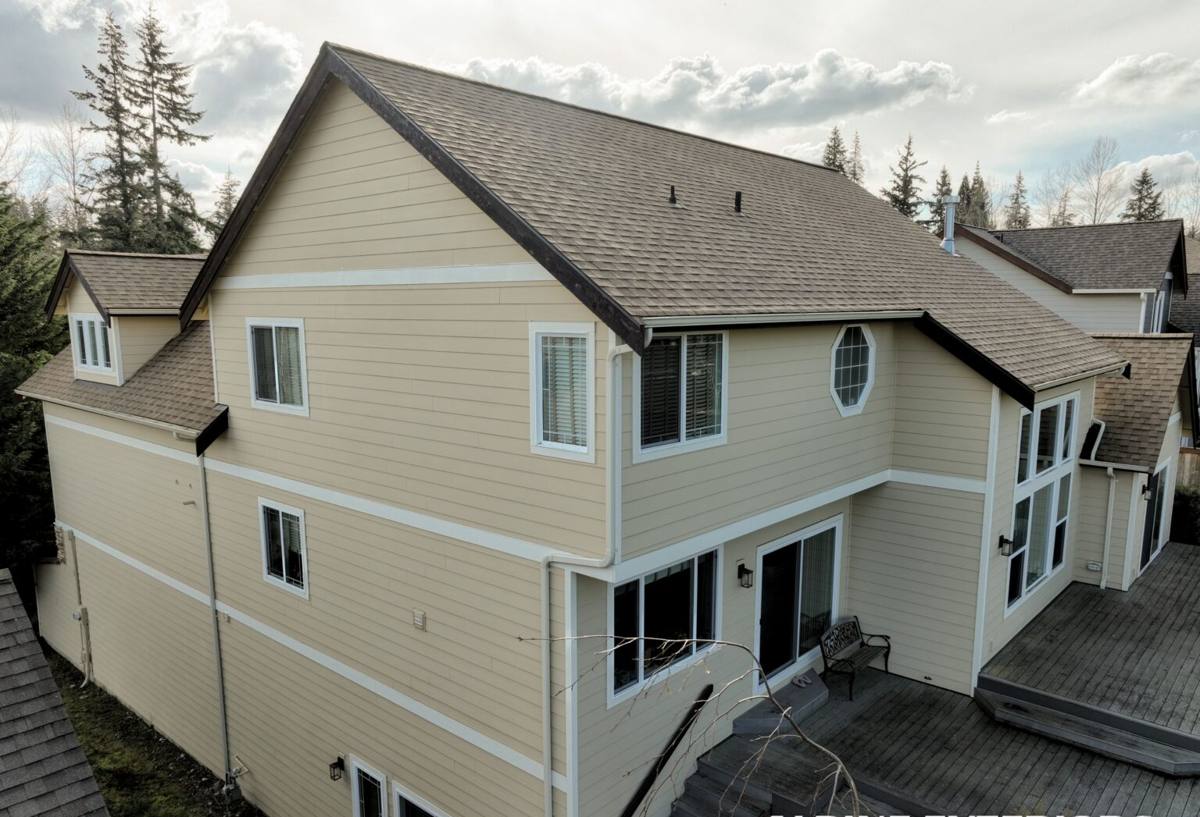
What Local Conditions Actually Do to a Deck
Salt Air and Metal Fasteners
Airborne salt accelerates corrosion on any exposed metal — nails, screws, joist hangers, structural brackets. On a deck built with the wrong fastener spec, this shows up first as rust streaking down the face boards, then later as weakened connections where it actually matters: at the ledger board, at joist hangers, and at post bases. It's a slow process, which is exactly why it gets missed until a fastener fails.
Driving Rain and Standing Water
Whatcom County doesn't get flash floods, it gets long, steady rain that finds every low spot, gap, and poorly flashed joint over time. Water that's allowed to pool on a deck surface or sit against framing members doesn't evaporate quickly in our climate the way it might in a drier region — it sits, soaks in, and starts the slow rot process in end grain and fastener holes.
Moss, Algae, and Shade
Many Ferndale lots have mature trees or sit close enough to neighboring structures that decks get partial shade for large parts of the day. Combined with our rain totals, that shade means moisture lingers on deck boards far longer than on a sun-exposed surface. Moss and algae aren't just a cosmetic nuisance — a mossy deck surface holds moisture against the wood or composite cap, and it gets slick and genuinely dangerous when wet.
Choosing Decking Material for a Ferndale Property
There's no single "best" decking material — the right choice depends on how much maintenance you want to do, your budget, and how much sun or shade the deck actually gets. Here's how the common options hold up under our specific conditions.
| Material | Moss/Algae Resistance | Maintenance Needed | Notes for Ferndale |
|---|---|---|---|
| Pressure-treated wood | Low — needs regular cleaning | Annual cleaning, periodic sealing | Lowest upfront cost; requires the most upkeep in our climate to avoid moss buildup and gray, splintering surfaces |
| Cedar | Moderate | Sealing every 1-2 years | Natural rot resistance helps, but still needs sealed end grain and regular cleaning in shaded spots |
| Composite decking | Higher, but not immune | Occasional washing | Good option for low-maintenance owners; still needs airflow underneath to avoid moisture trapping |
| PVC/capped polymer | Highest | Minimal | Best resistance to moisture absorption; higher upfront cost but performs well in shaded, damp locations |
We'll walk through these trade-offs honestly during the estimate — for a shaded backyard deck with mature trees overhead, we're generally going to steer you toward a capped composite or PVC product, or at minimum push hard on proper drainage and airflow if you want to stick with real wood.
Framing: Where Deck Failures Actually Start
Most deck problems that homeowners eventually notice — bounce underfoot, a soft spot near the house, a rail that's gone loose — trace back to framing decisions made (or skipped) at the very beginning of the build. In a climate like ours, framing choices matter more than they would somewhere dry.
- Ledger board attachment with proper flashing to keep water from getting behind the house siding — this is one of the most common failure points on older decks we've inspected
- Joist hangers and structural connectors rated for the exposure they'll actually see, not just the minimum code spec
- Correct joist spacing for the decking material chosen — composite and PVC products often require tighter spacing than solid wood
- Post footings set below frost depth and sized for actual load, not guessed
- Airflow beneath the deck structure so the framing can dry out between rain events instead of staying damp
None of this is visible once the deck is finished, which is exactly why it's worth asking a contractor direct questions about fastener specs and flashing details before work starts, not after.
Drainage and Detail Work
A deck's surface boards get the attention, but drainage detailing is what keeps a deck from quietly failing underneath. In a high-rainfall area like Whatcom County, a few details make an outsized difference over the life of the structure:
Board Spacing and Gapping
Correct gapping between boards lets water pass through the deck surface instead of pooling on top of it. Too tight, and you get standing water and faster moss growth; too loose, and the deck feels unfinished and can be uncomfortable underfoot.
Flashing at the House
Where the deck meets the structure of your home, proper flashing — not just caulk — is what keeps rain from working its way behind siding and into wall framing. This is a detail that's easy to shortcut and very expensive to fix later once water damage has spread into the house itself.
Fastener Selection
Stainless steel or coated fasteners rated for coastal exposure cost more than standard hardware, but given how salt air accelerates corrosion here, it's not an area worth cutting on.
Our Process for a Ferndale Deck Project
Every deck we build starts with an honest look at the site conditions specific to that property — sun exposure, drainage slope, tree cover, and how the deck will actually be used.
- Site assessment — we evaluate drainage, shade patterns, existing structure condition (for replacements), and any grading issues that affect footing placement
- Design and material selection — we talk through decking material, layout, and railing options with the climate trade-offs laid out plainly, not just aesthetic preference
- Permitting — deck permits and inspections through Whatcom County or the City of Ferndale, handled as part of the project rather than left to the homeowner
- Framing and structural work — built to the fastener and flashing standards described above, not just minimum code
- Decking, railing, and finish work — installed with correct spacing and fastening for the material chosen
- Final walkthrough — we go over basic care specific to the material installed so you know what upkeep to expect
Living With a Deck in a Moss-Prone Climate
No deck in this region is maintenance-free, even the low-upkeep composite and PVC products. The good news is that the maintenance that actually matters is simple and infrequent if the deck was built correctly in the first place.
- Sweep off leaves and debris regularly, especially in fall — trapped organic matter is what feeds moss growth
- Rinse or gently wash the surface once or twice a year to knock back algae and moss before it establishes
- Avoid pressure washing at high pressure directly into board seams, which can force water into framing
- Check railings and stair connections annually for looseness, particularly after winter storms
- For wood decks, reseal on the manufacturer's recommended schedule rather than waiting until it visibly needs it
- Keep gutters and downspouts near the deck clear so runoff isn't dumping extra water onto or under the structure
Why Local Deck-Building Experience Matters Here
A contractor who mostly builds decks in drier parts of the state can still put together something that looks right on day one. The difference shows up two or three winters later, in the fastener choices, the flashing details, and the framing spacing that either accounts for our rain and salt exposure or doesn't. Crews who work Ferndale and the surrounding Whatcom County area regularly have already seen what fails here and what holds up, and that experience shapes decisions made before the first board goes down — not after a callback.
We also know the local permitting process, which keeps projects moving instead of stalling on paperwork, and we understand how site conditions vary even within Ferndale itself, from more exposed properties to shaded, tree-covered lots that need different drainage and material decisions.
Get a Straight Answer for Your Property
Every lot in Ferndale is a little different — sun exposure, tree cover, existing structure condition, and how you want to use the space all factor into the right deck design. If you'd like an honest assessment of what your property needs and a clear estimate with no pressure attached, use the form below to get started.