 Blaine Window
 Decks Built for Birch Point's Salt Air and Rain
Birch Point sits close enough to the water that homes here deal with a different set of conditions than decks built a few miles inland in Blaine or elsewhere in Whatcom County. Salt-laden air, wind-driven rain that gets pushed sideways under eaves and railings, and a long wet season that keeps everything shaded green with moss all put extra stress on outdoor structures. A deck built with standard inland assumptions — the wrong fastener grade, a ledger flashing detail that's "good enough," decking spaced too tight to shed water fast — will show problems years before it should.
This page covers what actually matters when building or replacing a deck in Birch Point: material choices that hold up to salt exposure, the structural details that keep water out of your house, and what a correctly built deck looks like when the person building it understands this specific stretch of coastline.
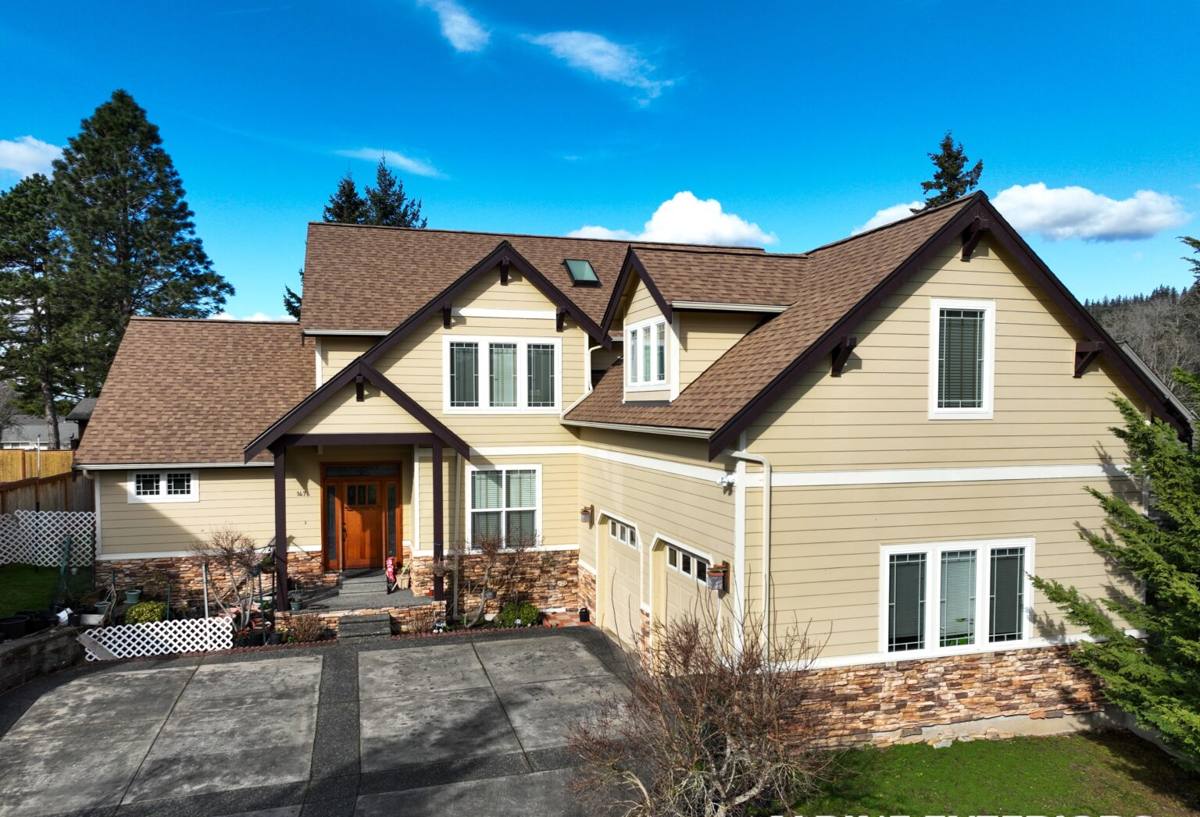
What Salt Air, Rain, and Moss Actually Do to a Deck
It helps to understand the failure modes before talking about solutions, because every recommendation below traces back to one of these three things.
Salt Air and Corrosion
Airborne salt accelerates corrosion on any exposed metal — nails, screws, joist hangers, railing hardware, post bases. Standard galvanized coatings that hold up fine forty miles inland can start pitting and staining within a few years this close to the water. Once a fastener starts to corrode, it loses holding strength long before it looks obviously bad, which is part of why a deck can seem fine and then fail at a connection point with little warning.
Driving Rain
Rain that falls straight down is easy to manage. Rain that's pushed sideways by wind off the water finds its way into places a fair-weather build never accounts for — behind rim joists, under improperly lapped flashing, into end grain on decking boards that wasn't sealed. Over time, that moisture intrusion is what rots framing and stains siding at the ledger connection.
Moss and Sustained Dampness
Whatcom County's long wet season means anything that doesn't drain and dry quickly stays damp for extended stretches. Moss and algae take hold on decking surfaces, railings, and stair treads, which isn't just cosmetic — a mossy deck surface gets slick and can become a fall hazard, especially on stairs.
Choosing the Right Decking Material for This Climate
There's no single "best" decking material for every homeowner — budget, maintenance tolerance, and how the deck will be used all factor in. What matters is picking with the local climate honestly weighed as a factor, not as an afterthought.
| Material | How It Handles This Climate | Maintenance | Relative Cost |
|---|---|---|---|
| Pressure-treated fir/hem-fir | Good rot resistance when properly sealed; needs attention at cut ends and fastener holes | Re-seal or stain every 1-2 years in a marine climate | Lowest upfront |
| Cedar | Naturally rot- and insect-resistant, ages to a silver-gray if left unfinished, but softer and more prone to surface wear near the coast | Regular cleaning to slow moss growth; oiling or staining if you want to hold the color | Mid-range |
| Composite decking | Doesn't rot or absorb moisture the way wood does; resists moss better on well-drained boards, though algae can still grow on any wet surface | Periodic cleaning; no sealing or staining required | Higher upfront, lower long-term labor |
Composite has become popular near the water specifically because it removes the rot variable, but it's not maintenance-free — a composite deck in a shaded, damp spot in Birch Point will still grow algae if it's never cleaned. Whatever material you choose, board spacing and airflow underneath the deck matter as much as the material itself for keeping moss from taking hold.
A Note on Hardwoods and Exotic Species
Some homeowners ask about tropical hardwoods for a premium look. We're honest about the tradeoffs: these species are dense and durable but can be difficult to fasten and finish correctly, and improper installation shows up faster in a wet climate than in a dry one. If you want that look, we'll talk through what a correct installation requires before you commit to it.
Framing and Substructure: What's Underneath Matters Most
The decking surface is what you see, but the framing underneath determines how long the deck actually lasts. In a climate like this, a few details separate a deck that holds up for decades from one that needs structural repair in under ten years:
- Joists and beams sized and spaced for the actual load and span, not the minimum that happens to pass inspection
- Proper ledger board flashing where the deck attaches to the house, so water is directed away from the wall framing rather than trapped against it
- Post bases set above grade and away from standing water, with concrete footings sized for our soil and frost conditions
- Blocking and bracing that accounts for wind loads off the water, which can be more significant on an exposed Birch Point lot than on a sheltered inland site
- Gaps and spacing that let air move freely under the deck to speed drying after rain
The ledger connection deserves special mention because it's the single most common source of hidden deck damage. If flashing is missing, undersized, or installed in the wrong order relative to the house's siding and building wrap, water gets behind the wall and can rot sheathing and framing long before anyone notices — sometimes not until the deck itself is pulled off for a rebuild.
Fasteners, Hardware, and Railings
Given how much of a role corrosion plays this close to the water, hardware choice isn't a place to cut costs. We use fasteners and structural connectors rated for coastal or high-moisture exposure — typically stainless steel or a coating specifically rated for that environment, rather than standard galvanized products that are adequate further inland but undersized for salt exposure here.
Railing systems matter too, both for looks and function. Whether you're going with wood, metal, or composite/cable railing, every connection point should use hardware matched to the same corrosion-resistance standard as the rest of the structure. A railing that loosens because of corroded fasteners isn't just an eyesore — it's a safety issue.
Drainage Details That Are Easy to Skip
Beyond the ledger flashing already mentioned, a few smaller details make a real difference over time in a wet climate: end-grain sealing on cut boards, drip edges where the decking overhangs the framing, and keeping the deck surface pitched slightly away from the house so water doesn't pool against the siding. None of these add much to a project's cost, but skipping them is exactly how a deck develops rot problems in year five instead of year twenty-five.
Our Custom Deck Process
Every property in Birch Point sits a little differently relative to wind, sun exposure, and water — a design that works well on one lot can be the wrong call twenty feet away. Our process starts with a look at your specific site conditions before we talk materials or layout.
- On-site assessment — we look at exposure, drainage, existing structure (if replacing a deck), and how the space will actually be used
- Design and material selection — sized, laid out, and specified with this climate factored into every choice, not just aesthetics
- Permitting — we handle the paperwork and inspections required for the build
- Construction — framing, flashing, and structural connections done to the standard this environment requires, followed by decking, railing, and finish work
- Walkthrough — we go over the finished deck with you, including what maintenance it will actually need going forward
Maintenance Checklist for a Whatcom County Deck
Whatever material your deck is built from, a little seasonal attention goes a long way in this climate:
- Sweep debris off the deck surface regularly so moisture doesn't get trapped under leaves or needles
- Clean moss and algae off the surface and stairs before they build up, especially going into the wetter months
- Check railing connections and stair treads periodically for looseness — an early sign of fastener corrosion
- Inspect the ledger board area where the deck meets the house for staining or soft spots
- Re-seal or re-stain wood decking on the schedule appropriate to the product — don't wait until it's visibly gray and dry
- Confirm gaps between boards stay clear so water keeps draining through rather than pooling
Why Hire a Crew That Already Works Birch Point
A deck built by someone unfamiliar with this stretch of coastline tends to make the same mistakes: standard hardware instead of coastal-rated, flashing details that would pass inspection but weren't built for driving rain, or a design that ignores how exposed a particular lot is to wind and salt spray. None of those mistakes are obvious on the day the deck is finished — they show up three, five, or ten years later as rot, corrosion, or a railing that's gone loose.
Working regularly in Birch Point and the surrounding Blaine area means we're not guessing at what this climate does to a deck over time — we've seen it, and we build to account for it from the start. That's the difference between a deck that needs real repair work in under a decade and one that just needs the normal seasonal upkeep listed above.
If you're planning a new deck or need to replace one that's showing its age, we're happy to come take a look and talk through what makes sense for your property. Reach out for a free, no-pressure estimate using the form below.