 Blaine Window
 Windows Built for Birch Point's Waterfront Exposure
Birch Point sits close enough to the water that homes here take a different kind of weathering than a house ten miles inland in Whatcom County. Salt-laden air works into aluminum frames and steel hardware year-round, wind-driven rain finds every weak seal during winter storms, and the long wet season keeps moss and algae established on north-facing walls and sills for months at a time. Custom windows for this stretch of Blaine need to be selected and installed with that specific exposure in mind, not treated like a generic replacement job.
We work in this neighborhood regularly, which means we're not guessing at what holds up here. We've seen which frame materials corrode early, which sealants give up first against sideways rain, and which installation shortcuts show up as soft trim and fogged glass two or three winters later. That local track record shapes every recommendation we make.
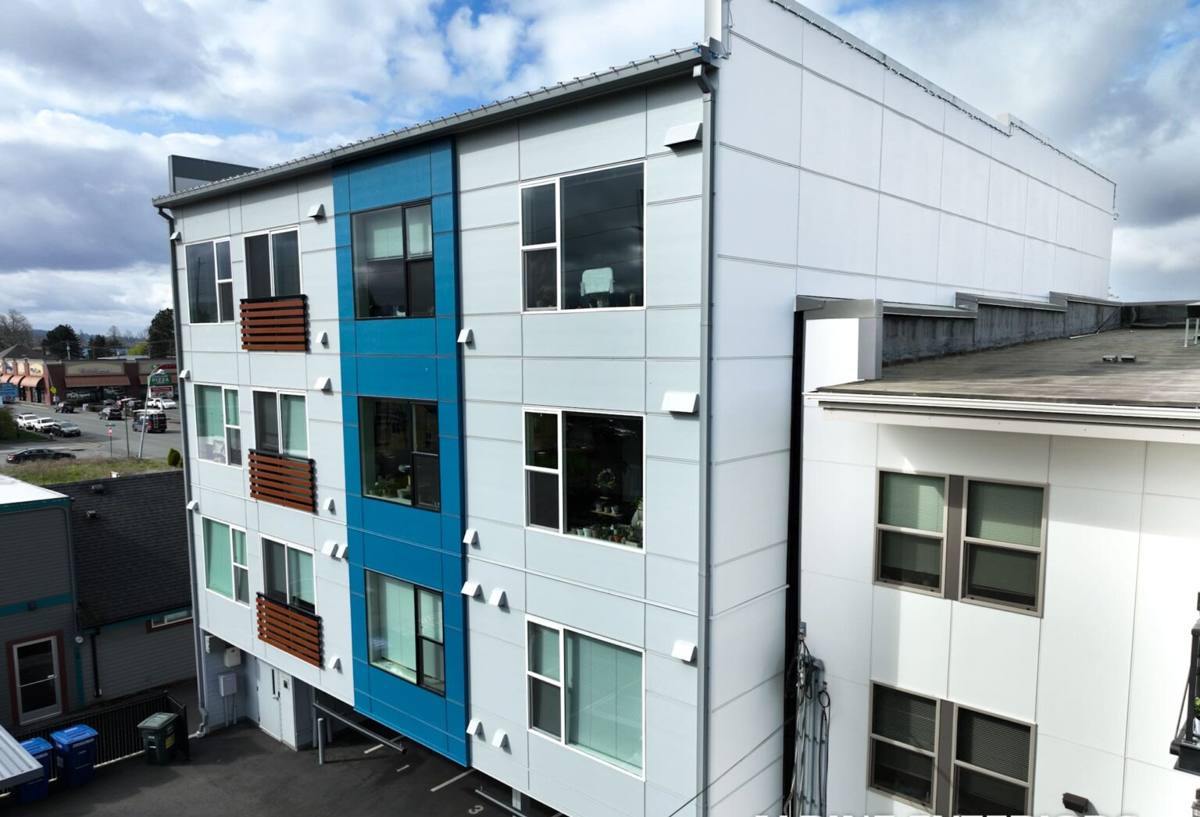
What Birch Point's Climate Actually Does to Windows
Salt Air and Metal Fatigue
Proximity to saltwater accelerates corrosion on anything metal — window screens, hinges, cranks, and especially lower-grade aluminum framing. Salt air doesn't need direct ocean spray to do damage; airborne salt travels on wind and settles on surfaces even a few blocks back from the water. Over years, that means pitted hardware, stiff or failing operators on casement windows, and finishes that dull and chalk faster than they would inland.
Driving Rain and Wind-Loaded Walls
Blaine gets weather off the Strait, and Birch Point's more exposed lots feel it directly. Rain here isn't always falling straight down — wind pushes it sideways into wall assemblies, which puts real pressure on window flashing, sill pans, and the seal between the window unit and the rough opening. A window that would be fine in a sheltered inland setting can still leak here if the flashing detail isn't right, because the water is being driven into the wall, not just running down the glass.
Moss, Algae, and Prolonged Dampness
The long moss season in this part of Washington means shaded and north-facing window surfaces stay damp longer between dry spells. That extended moisture exposure is hard on wood trim, promotes mildew on sills, and can quietly rot exterior casing behind gutters or under eaves where organic buildup traps water against the wood.
What a Correct Custom Window Job Looks Like Here
A properly done window replacement for a Birch Point home addresses each of those exposures directly, not as an afterthought. That means:
- Frame materials chosen for corrosion resistance in a coastal-adjacent environment, not just cost per unit
- Hardware — hinges, cranks, locks — rated for salt-air exposure, since this is usually the first thing to fail
- Sill pan flashing and proper shingle-lap sequencing so wind-driven rain sheds outward instead of pooling at the sill
- Sealants and backer rod sized and installed for the actual gap, not just a bead of caulk over the trim joint
- Trim and casing detailing that sheds water away from end grain, since exposed end grain is where rot starts fastest in a wet climate
- Realistic sightline and swing-direction planning for water-facing exposures, where wind direction matters as much as the view
Skipping any one of those steps doesn't usually cause an immediate, obvious problem. It shows up 18 months to three years later as a soft spot in the sill, a window that won't latch smoothly, or a faint water stain on interior drywall below the frame — by which point the fix costs more than doing it right the first time would have.
Frame Material Trade-Offs for This Exposure
There's no single "best" frame material for every Birch Point home — it depends on the home's style, budget, and how exposed the specific wall is. Here's how the common options actually perform in this environment, based on what we see in the field:
| Material | Salt Air / Corrosion | Maintenance | Notes for This Area |
|---|---|---|---|
| Vinyl | Does not corrode; UV and salt exposure can affect long-term color/finish | Low | Good value option; check weatherstripping quality on operable units |
| Fiberglass | Very stable in coastal air; minimal expansion/contraction | Low | Strong fit for waterfront-adjacent exposures; higher upfront cost |
| Wood (clad exterior) | Exterior clad resists weather; unprotected wood trim needs upkeep | Moderate | Interior warmth with exterior protection, but detailing matters for moss/damp shading |
| Bare aluminum | Prone to pitting and hardware corrosion near salt air over time | Higher | We recommend against bare aluminum framing for water-facing walls in this area as our standard practice — the long-term hardware and finish maintenance isn't worth the upfront savings |
Our Process for a Birch Point Window Job
1. On-Site Assessment
We look at each opening individually — which direction it faces, how exposed it is to prevailing wind and rain, current condition of the sill and surrounding trim, and any signs of past water intrusion. Waterfront-adjacent and inland-facing walls on the same house often need different specs.
2. Honest Product Recommendation
We'll tell you where a mid-range option is genuinely fine and where it's worth spending more, based on that specific opening's exposure — not a blanket upsell.
3. Flashing and Sealing to the Wall Assembly
This is where most problems actually get prevented. The window unit itself rarely fails first; the flashing and integration into the wall is what determines whether water stays out for decades or finds a way in within a few years.
4. Final Check and Walkthrough
We test operation, check seals, and walk the job with you before we call it done.
Why a Crew That Already Works Birch Point Matters
Hiring installers who already work this specific stretch of Blaine and Whatcom County means they're not learning your microclimate on your house. We already know which corners of a Birch Point lot catch the worst of the wind-driven rain, which older homes here were built with flashing details that don't hold up to today's storm patterns, and which product lines have a real track record in salt air versus ones that only look good in a showroom. That local familiarity is worth more than a lower bid from a crew that's never worked this close to the water before.
It also matters for warranty follow-through. A crew that's still working in your neighborhood next year and the year after is a crew that stands behind the install, not one that's moved on to a different region.
Signs Your Current Windows Are Losing the Fight
If you're not sure whether a full replacement makes sense yet, a few honest signs to check for:
- Hardware — locks, cranks, hinges — that's stiff, corroded, or doesn't latch cleanly anymore
- Condensation or fogging between panes on double- or triple-glazed units, which usually means a failed seal
- Soft or discolored wood at the sill or lower corners of the frame
- Visible gaps or daylight around the frame when the window is closed
- A noticeable draft or temperature difference near the window during windy weather
- Persistent moss, algae, or dark staining on the sill or surrounding trim that keeps coming back
Any one of these on its own might just need a repair. Several at once, especially on a wall facing the prevailing wind, usually means it's time to talk about replacement before the cost of delay grows.
Cost Factors Worth Understanding Upfront
Every Birch Point job prices out differently based on a handful of factors, and it's worth knowing what actually drives the number before you start comparing quotes:
| Factor | Why It Matters |
|---|---|
| Number and size of openings | Larger and more numerous windows scale both material and labor cost directly |
| Frame material chosen | Fiberglass and clad-wood options cost more upfront than vinyl but often make sense for exposed walls |
| Condition of existing framing | Rot or water damage found once old windows come out adds repair work before new units go in |
| Wall exposure and flashing complexity | Water-facing walls need more careful flashing detail, which adds labor time |
| Access and site conditions | Second-story or hard-to-access openings take longer to work safely |
We'd rather walk you through these factors on-site and give you a real number for your home than quote a per-window price that doesn't hold up once we see the actual condition of your walls.
Get a Straight Estimate for Your Birch Point Home
If you're weighing a window project for your Birch Point property, we're glad to come take a look, walk you through what we're seeing, and give you an honest read on what your home actually needs given its exposure. There's no pressure and no obligation — just a straightforward estimate from a crew that already knows this stretch of Blaine. Use the form below to get started.