 Blaine Window
 Windows Built for Semiahmoo's Shoreline, Not a Showroom
Semiahmoo sits right on the water at the edge of Whatcom County, and that location is exactly what makes window installation here different from a typical inland job. Homes on or near the spit take on salt-laden air off the bay, driving rain that comes in sideways more often than straight down, and a shaded, damp season long enough to grow moss on anything that sits still. A window system that works fine in a dry inland neighborhood can start failing years early out here if it wasn't chosen and installed with that exposure in mind.
This page covers what window installation actually needs to look like for a Semiahmoo home — the materials that hold up, the installation details that matter most in a marine climate, and how our process works from first look to final walkthrough.
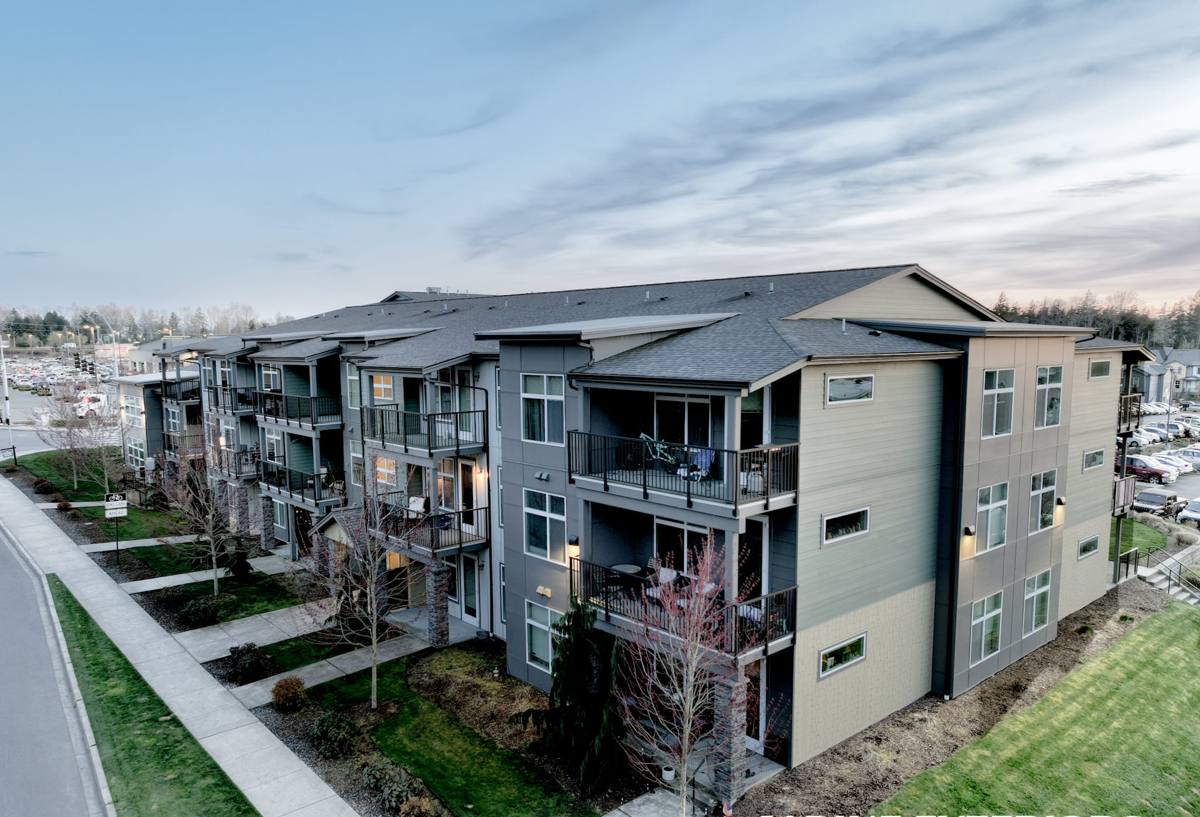
What Salt Air, Wind-Driven Rain, and Moss Actually Do to a Window
Salt and Humidity
Airborne salt is corrosive to exposed metal — hardware, hinges, screen frames, and especially aluminum components that aren't specifically rated for coastal exposure. It also holds moisture against surfaces longer than dry inland air does, which accelerates wear on caulking, weatherstripping, and any wood trim that isn't properly sealed and maintained.
Wind-Driven Rain
Water pushed sideways by wind behaves differently than rain falling straight down. It finds its way into gaps a calm-weather installation would never expose, working around trim, up under sills, and behind poorly lapped flashing. On an exposed waterfront lot, this isn't an occasional storm event — it's a regular condition the installation has to be built to handle, not just a design load to reference on paper.
Moss and Shade
Between tree cover and the Pacific Northwest's long wet season, moss and algae growth on north-facing walls and sills is common in this area. Beyond the cosmetic issue, sustained dampness held against wood trim or under-sealed frames is what eventually leads to soft spots and rot around a window opening — a maintenance issue if caught early, a structural repair if it isn't.
Signs a Semiahmoo Home May Need Window Attention
Most window failures near the water show up gradually. Worth checking for periodically, especially on walls facing the bay or prevailing wind:
- Fogging or a hazy film between panes of double-glazed glass — a sign the seal has failed
- Paint or finish bubbling and peeling on the interior or exterior frame
- Soft, discolored, or spongy wood at the sill or bottom corners of the frame
- Drafts or a cold line felt near the frame edge even with the window fully latched
- Difficulty opening, closing, or locking a window that used to operate smoothly
- Visible gaps, cracked caulk, or daylight showing around the exterior trim
- Persistent moss, algae, or black staining building up on the sill or lower frame
- Condensation collecting on the inside of the glass during cool, damp stretches
Choosing a Frame Material for a Marine Environment
There's no single "best" window material for every home — it depends on exposure, budget, and how the house is built. But in a salt-air, high-moisture setting like Semiahmoo, some tradeoffs matter more than they would a few miles inland.
| Frame Material | Salt Air / Corrosion Resistance | Moisture Behavior | Maintenance Load |
|---|---|---|---|
| Vinyl | Good — no metal corrosion in the frame itself | Handles moisture well; no rot risk | Low — occasional cleaning |
| Fiberglass | Very good — stable in temperature and humidity swings | Excellent moisture and expansion resistance | Low |
| Wood-clad | Depends heavily on cladding quality and seal integrity | Vulnerable at cut ends, joints, and any seal failure | Higher — needs periodic inspection and upkeep |
| Aluminum | Poor unless specifically coastal-rated; prone to pitting | Conducts moisture and cold; condensation-prone | Moderate to high near saltwater |
Our standard recommendation for exposed Semiahmoo walls is vinyl or fiberglass for most homes, reserving wood-clad for interior-facing or sheltered elevations where a homeowner wants that look and is prepared to maintain it. We'll walk through the real tradeoffs for your specific walls rather than pushing one material across the whole house.
What a Correct Installation Actually Involves
The window unit itself is only part of the equation. In a high wind-driven-rain environment, how the opening is prepped and sealed matters just as much as what's installed in it — this is where a lot of window problems near the water actually start, not with the window itself.
Flashing and Water Management
Flashing has to be layered correctly — sill pan first, then side flashing, then head flashing — so that any water that does get past the exterior finish is directed back out, not trapped behind the wall. On a home taking direct wind off the water, we don't treat this as optional trim work; it's the part of the job that determines whether the wall stays dry for the next twenty years.
Sealants and Fasteners Suited to Salt Air
Not every caulk or fastener is rated for sustained salt exposure. We use sealants formulated to stay flexible and adhered through repeated wet-dry cycling, and fasteners chosen to resist corrosion rather than the cheapest option that happens to fit. It's a small line-item difference that shows up as a five-year difference in performance.
Weep Holes and Drainage Paths
Weep holes and drainage channels need to stay clear for the window to shed the water it's designed to shed. During installation we confirm these paths are open and unobstructed, and we'll point them out so you know what to check on periodically — especially if there's tree cover nearby contributing to debris or moss buildup.
Our Process for a Semiahmoo Window Installation
- On-site assessment — we look at each opening's actual exposure, existing framing condition, and any signs of past water intrusion before recommending anything.
- Material and product selection — we walk through frame material, glass package, and style options suited to that specific wall's exposure and your budget.
- Written estimate — clear scope, materials, and price before any work is scheduled, no pressure to decide on the spot.
- Prep and removal — old units removed carefully, opening inspected for hidden rot or damage before the new window goes in.
- Flashing, install, and seal — sill pan and flashing set correctly, window installed level and plumb, sealed with coastal-rated materials.
- Interior and exterior finish — trim and finish work completed to match the home, site cleaned up when we're done.
- Walkthrough — we go over operation, maintenance basics, and any warranty details before we consider the job finished.
HOA and Resort-Community Considerations
A number of Semiahmoo properties are part of a homeowners association or managed community, and those groups sometimes have requirements around exterior window color, style, or grid pattern. If your property falls under one, it's worth checking your association's guidelines before finalizing a product choice — we're happy to work from whatever specifications your HOA requires, but it's much easier to build that into the estimate up front than to reorder after the fact.
Why It Matters That We Already Work in Semiahmoo
A crew that mostly works drier, inland jobs can still do competent work, but they're guessing at how a product will hold up in a marine environment. We're not guessing — we've seen firsthand what salt air, driving rain, and a long moss season do to windows in this exact area over time, and we build the installation around that, not around a generic spec sheet. That means fewer callbacks, a system that's actually matched to the wall it's going into, and a straight answer when a particular product or approach isn't the right fit for an exposed Semiahmoo elevation.
We also know the practical side of working in this area — access on tighter waterfront lots, coordinating around wind and weather windows for exterior work, and what Whatcom County's coastal conditions mean for scheduling a job so sealants and finishes cure properly before the next wet stretch rolls in.
Cost Factors to Expect
Every job is different, but the same handful of variables drive most of the price difference between one window installation and another:
| Factor | Why It Matters |
|---|---|
| Frame material | Vinyl is typically the most budget-friendly; fiberglass and wood-clad cost more upfront but bring different maintenance and longevity tradeoffs |
| Window size and count | Larger openings and full-house replacements naturally scale cost, but often come with better per-unit pricing than one-off jobs |
| Glass package | Upgraded low-E coatings or gas-fill options add cost but improve energy performance and comfort |
| Condition of the opening | Hidden rot or framing damage found during removal adds repair scope that a straightforward swap wouldn't need |
| Access and elevation | Upper-story or hard-to-reach waterfront openings can require additional staging or equipment time |
We give a firm, written estimate after seeing the actual openings — not a phone quote based on guesswork — so you know what you're agreeing to before anything is ordered.
If you're weighing window replacement for a Semiahmoo home, we're glad to take a look and give you a straight, no-pressure estimate. There's a form below — reach out and we'll get a time on the calendar.