 Blaine Window
 Energy-Efficient Windows in Sumas: What the Climate Demands
Homes in Sumas deal with a specific combination of weather that most window manufacturers never test for on a showroom floor: salt-tinged marine air drifting in off the Salish Sea, wind-driven rain that gets pushed sideways and even upward into window openings instead of falling straight down, and a long, damp moss season that keeps shaded walls and sills wet for months at a stretch. Old, worn, or poorly installed windows don't just look tired under that kind of pressure — they leak air and moisture, they fog and stick, and they quietly drive up heating bills every single month of the year. In a climate like this, "energy-efficient windows" isn't a marketing phrase. It's a specific, checkable set of glazing, frame, and installation choices that either hold up here or don't.
This page covers energy-efficient window replacement specifically for homes in Sumas — what the local climate actually demands from a window, what separates a correctly installed efficient window from one that only looks the part, and how our process works when you bring us in to handle it. It's written to be useful whether you're replacing one drafty window or planning a whole-house upgrade.
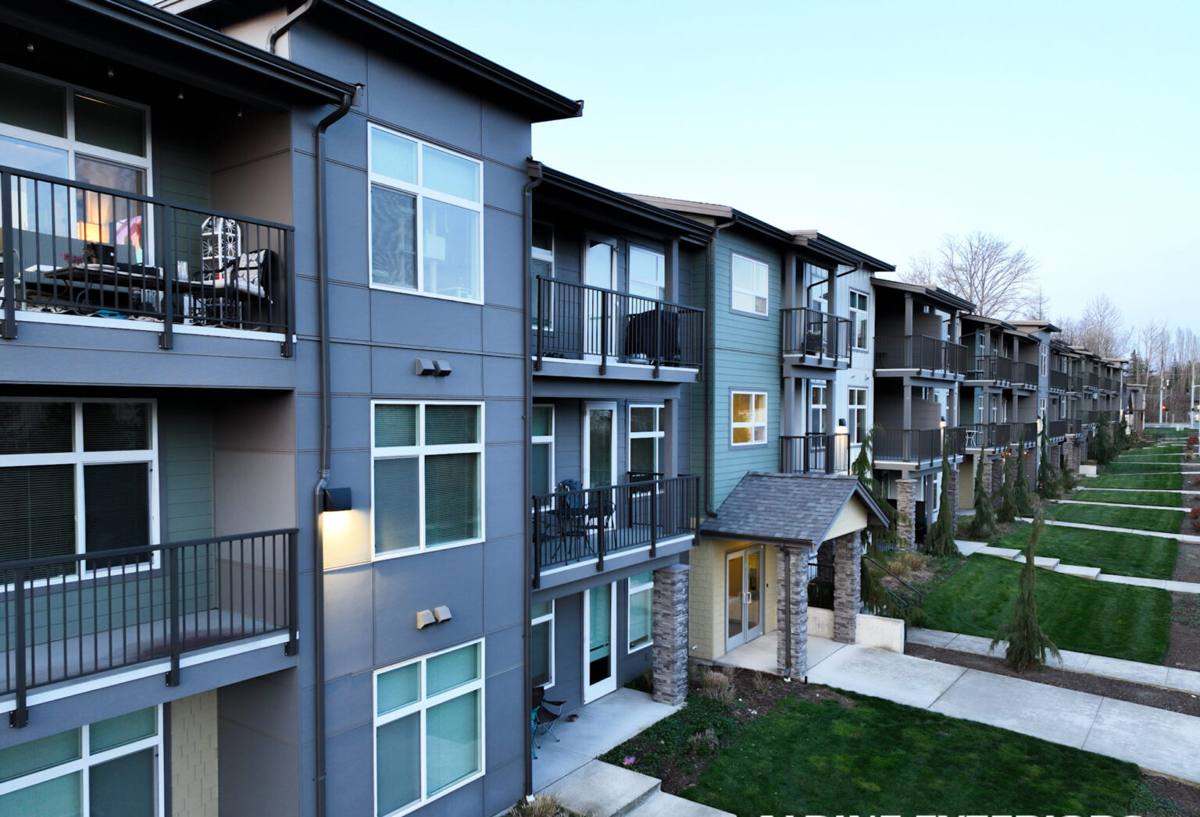
Why Energy Efficiency Is a Bigger Issue Here Than It Looks
Every region has its own reasons for window failure, and in Whatcom County the causes stack on top of each other rather than acting alone. A window that would perform fine in a drier, calmer climate can underperform quickly here once salt air, wind-driven rain, and sustained moisture start working on it at the same time.
Salt Air and Hardware, Seal Degradation
Salt-tinged air moving through this part of the county accelerates corrosion on window hardware, weatherstripping fasteners, and lower-grade seal components faster than most homeowners expect. Once hardware pits or a seal loses its compression, a window that used to close tight starts letting conditioned air leak out around the sash — and that leak shows up as a draft you can feel and a heating bill you can measure, long before the window looks visibly damaged.
Wind-Driven Rain and Air and Water Infiltration
Rain in this part of Washington rarely falls straight down. Wind pushes it sideways and drives it into window openings from angles a simple flat sill or a bead of exterior caulk was never designed to handle. Water infiltration around a window frame doesn't just risk rot — it also means air is moving through that same gap, and moving air is exactly what undermines a window's insulating performance no matter how good the glass itself is.
A Long Moss Season and Sustained Moisture Load
Shaded elevations and window sills that don't drain well stay damp for a large part of the year here, which supports moss and mildew growth and keeps wood components, weatherstripping, and even some vinyl frame components under sustained moisture load. Over years, that moisture load degrades seals and hardware from the outside in, well before most homeowners notice a performance problem — the drafts and higher bills tend to show up gradually rather than all at once.
What Actually Makes a Window Energy-Efficient
"Energy-efficient" gets used loosely in window marketing, but the actual performance of a window comes down to a handful of specific, measurable components working together. Any one of them being wrong drags the whole assembly down, even if the others are excellent.
Glazing, Gas Fill, and Low-E Coatings
Double-pane glazing is the baseline for efficient windows today, and triple-pane is worth considering on north-facing or particularly exposed elevations where the extra insulating layer earns its cost. Between the panes, argon or krypton gas fill slows heat transfer far more effectively than plain air. Low-emissivity (low-E) coatings on the glass surface manage how much solar heat and UV light pass through — the right coating package depends on how much direct sun a given elevation actually gets, not a single default spec applied to every window on the house.
Frame Material and Thermal Performance
The frame conducts heat too, and a poorly insulating frame can undercut good glazing. Vinyl and fiberglass frames with insulated or multi-chambered construction perform well and resist the moisture this climate throws at them. Wood frames insulate well but need a protected exterior finish or cladding to avoid direct weather exposure. Aluminum, unless thermally broken, conducts cold efficiently and tends to underperform here compared to the alternatives.
Warm-Edge Spacers — the Detail Most Homeowners Never See
The spacer that separates and seals the two (or three) panes of glass at the edge of the insulated glass unit is one of the most overlooked components in a window's efficiency. Older aluminum spacers conduct heat and cold straight across that edge, creating a cold line around the glass perimeter where condensation tends to form first. Warm-edge spacers, typically made from foam, silicone-based composites, or other low-conductivity materials, reduce that edge heat loss and cut down on the condensation and fogging that shows up first at the corners of a window — often the earliest visible sign that a seal or spacer is starting to fail.
Signs Your Current Windows Are Costing You Money
Most homeowners don't replace windows because of one dramatic failure — they replace them because a slow accumulation of small problems finally adds up. Here's what to look and feel for on a walk around your own home.
- A noticeable draft near the window frame on a windy day, even with the window fully latched
- Condensation or fog forming between the panes, especially at the corners — a sign the seal or spacer has failed
- Cold spots on interior walls or floors near windows during colder months
- Windows that are difficult to open, close, or lock, which often points to a warped frame or failed hardware
- Visible corrosion, pitting, or stiffness in hinges, locks, or cranks
- Soft or discolored wood, or bubbling paint, around the window frame or sill
- Moss or persistent mildew staining on or near the window on shaded elevations
- A heating bill that's climbed year over year without a clear explanation
Any one of these on its own might not mean much. Several of them together on the same window, or across most of the windows on one elevation, usually means the glazing, seals, or hardware have reached the point where repair is a short-term patch rather than a real fix.
Comparing Frame Materials for Energy Efficiency in Sumas Homes
Budget, the amount of direct weather exposure a given elevation gets, and how long you plan to stay in the home all factor into the right frame choice. Here's how the common options compare in this specific climate.
| Frame Material | Insulating Performance | Moisture & Salt-Air Behavior | Typical Maintenance |
|---|---|---|---|
| Vinyl | Good, especially with multi-chambered construction | Won't rot; performs well when installed correctly | Low; occasional track and weep-hole cleaning |
| Fiberglass | Very good; dimensionally stable across temperature swings | Resists moisture and corrosion well | Low |
| Wood, clad exterior | Very good natural insulator | Clad exterior protects wood from direct weather; unclad wood needs upkeep | Moderate; finish maintenance if unclad |
| Aluminum | Poor unless thermally broken | Can corrode over time in salt-influenced air unless well-finished | Moderate |
We'll walk you through which frame material actually fits your home's exposure and budget rather than defaulting to whichever product is easiest to sell. A shaded, moss-prone north wall and a sun-exposed south wall on the same house don't always call for the same answer.
What a Correct Energy-Efficient Window Installation Involves
The glass and frame only account for part of a window's real-world performance. A high-end energy-efficient window installed carelessly will underperform a modest one installed correctly, because most of the air and water leakage in an aging window assembly happens around the frame, not through it.
Removal and Opening Prep
The old window comes out and the rough opening gets inspected for hidden rot, moisture damage, or out-of-square framing before anything new goes in. Skipping this step means sealing a new window into a compromised opening — a shortcut that guarantees the same problem returns.
Flashing and WRB Integration
Flashing tape and the weather-resistive barrier (WRB) have to be integrated in the correct shingle-lap order — sill first, then jambs, then head flashing lapped over the top — so any water that does reach the wall behind the siding drains down and out instead of getting trapped behind the new window. This is the single detail most responsible for keeping wind-driven rain out of the wall assembly over the long term.
Setting and Sealing the New Window
The new window gets set level, plumb, and square in the opening, fastened per the manufacturer's specification, and sealed with the correct exterior sealant at the right joints — not just a heavy bead of caulk run around the whole perimeter as a catch-all.
Interior Air Sealing and Trim
The gap between the window frame and the rough opening gets sealed and insulated from the inside without trapping moisture against the framing, and trim is reinstalled or replaced to finish the job cleanly. This interior sealing step is where a large share of a window's real-world air leakage either gets fixed or gets built right back in.
Washington Energy Code and What the Ratings Actually Mean
Replacement windows installed in Washington need to meet the U-factor and performance requirements set out in the Washington State Energy Code, and those requirements apply no matter which contractor does the work. Beyond the code minimum, two numbers on the NFRC label matter most for a homeowner deciding between options: U-factor, which measures how well the window resists heat flow (lower is better), and Solar Heat Gain Coefficient (SHGC), which measures how much solar heat passes through the glass (lower means less heat gain, which matters more on sun-exposed elevations than shaded ones). A window that meets code on paper can still be the wrong glazing package for a specific elevation if the SHGC wasn't matched to how much sun that wall actually gets. We'll walk through the U-factor and SHGC numbers on any window package we install so you know exactly what you're getting, and confirm it meets current code before the job is called finished.
A Quick Checklist Before You Sign Off on Any Window Quote
- Does the U-factor meet or beat current Washington State Energy Code minimums for this climate zone?
- Is the SHGC appropriate for that specific elevation's sun exposure, not a single default across the whole house?
- Does the quote specify a warm-edge spacer rather than leaving spacer type unstated?
- Is flashing and WRB integration included as part of the installation, not treated as a separate add-on?
- Does the written warranty cover both the glass unit and the installation labor, not just the manufacturer's product warranty?
How Our Process Works
- On-site assessment: We walk the home, check existing windows for drafts, seal failure, and frame condition, and note which elevations face the heaviest weather exposure.
- Product recommendation: We recommend frame material, glazing, and coating packages suited to each elevation's actual exposure, not a one-size-fits-all quote.
- Opening inspection at removal: Each old window is removed and the rough opening is checked for hidden moisture damage before the new unit goes in.
- Flashing, WRB integration, and setting the window: Every opening gets the full flashing sequence, not just the ones that are easy to reach, and the new window is set square, plumb, and sealed correctly.
- Interior finish and air sealing: Interior sealing, insulation, and trim work are completed to close out the job cleanly.
- Final walkthrough: We test operation, hardware, and locking on every window with you before we consider the job done, and go over the warranty paperwork.
Why Hiring a Crew That Already Works Sumas Matters
A crew that regularly installs windows around Sumas has already seen how salt air pits underspecified hardware, how wind-driven rain finds its way through a poorly lapped sill, and which elevations on a typical local home need extra attention because of shade, prevailing wind, or sun exposure. That's practical, climate-specific knowledge that shows up in small decisions throughout a job — decisions a crew unfamiliar with this particular mix of weather might not think to make at all. It also means working with someone who's still reachable years down the road if a warranty question comes up, rather than a name that only showed up for one job and moved on.
If drafts, fogged glass, or a climbing heating bill have you thinking about window replacement, we're glad to take a look and walk you through honest options for your home. Use the form below to request a free, no-pressure estimate.