 Blaine Window
 Siding Repair Built for Sandy Point's Waterfront Exposure
Sandy Point sits right on the water outside Blaine, and that location is exactly what makes siding here wear differently than siding a few miles inland in Whatcom County. Homes in this neighborhood take a steady diet of salt-laden air, wind-driven rain coming straight off the water, and a moss and algae season that runs longer than most homeowners expect. Siding repair here isn't just cosmetic patchwork — it's about correctly diagnosing what the marine environment has actually done to the wall assembly before any new material goes up.
We work on siding repair calls throughout Blaine and the surrounding waterfront communities, and Sandy Point homes consistently show a specific pattern of wear tied to their exposure. Understanding that pattern is the difference between a repair that lasts and one that fails again in a year or two.
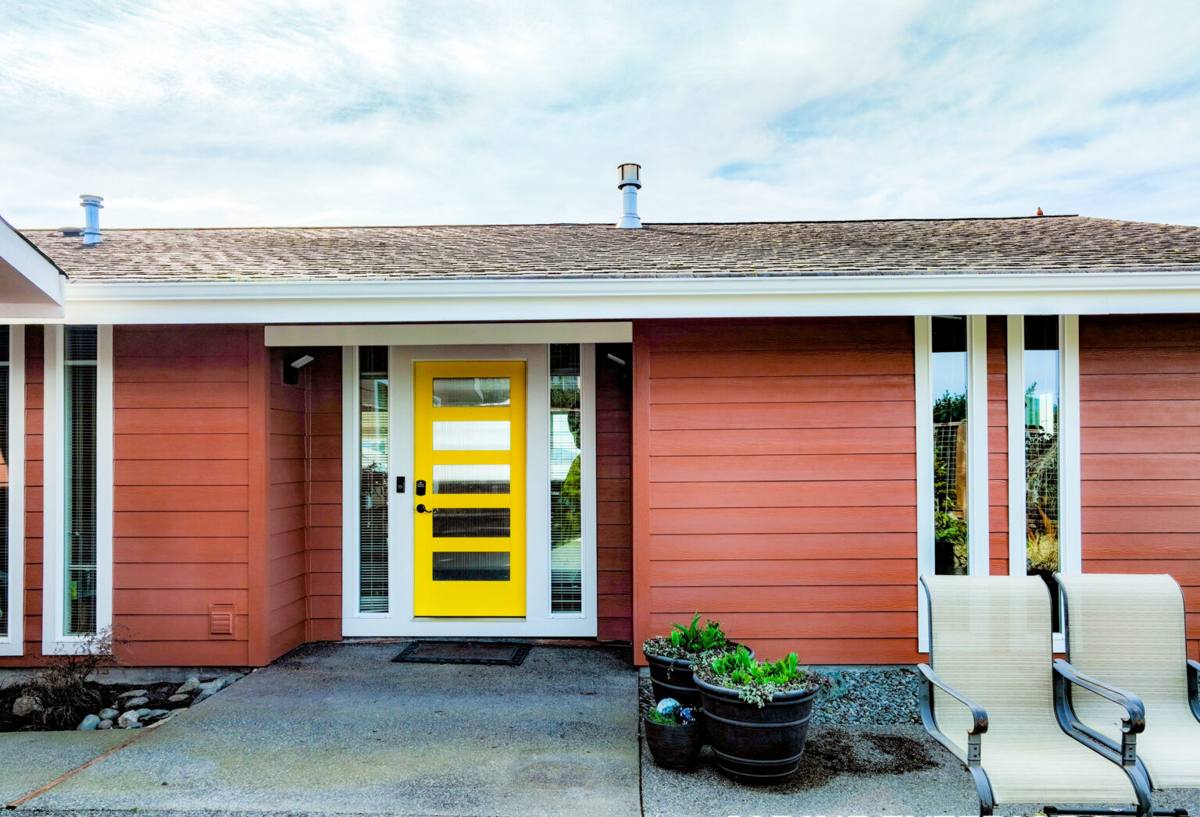
Why Sandy Point's Climate Is Hard on Siding
Salt Air
Airborne salt from the water doesn't just affect metal — it accelerates the breakdown of caulking, fasteners, and paint film on siding, especially on the water-facing elevations of a home. Salt-laden moisture works its way into seams and fastener heads faster than it would a few miles inland, which is why repairs on the west and south-facing walls of Sandy Point homes are so often more extensive than what's visible from the street.
Driving Rain
Open water exposure means wind-driven rain hits Sandy Point homes at an angle, not just straight down. That matters because siding systems are designed to shed water moving vertically down a wall — angled, wind-forced rain finds its way behind laps, around trim, and into joints that would stay dry on a more sheltered lot. Once water gets behind the siding, the damage happens out of sight, in the sheathing and water-resistive barrier, long before it shows up as a visible problem.
A Long Moss Season
Whatcom County's wet, mild winters already favor moss and algae growth, and Sandy Point's constant humidity off the water stretches that season even longer. Moss holds moisture against the siding surface for extended periods, which softens caulking, degrades paint film, and — on wood-based products — can lead to rot at the exact spots where moss tends to collect: lower courses, north-facing walls, and anywhere water doesn't fully evaporate between rains.
Signs a Sandy Point Home Needs Siding Repair
Because so much of the real damage happens behind the surface, it's worth knowing what to look for before a small issue becomes a bigger one:
- Soft or spongy spots when you press on the siding, especially near the bottom courses or below windows
- Visible cracking, buckling, or separation at panel seams and corners
- Paint that's peeling, bubbling, or chalking well before its expected repaint interval
- Persistent moss or algae staining that returns quickly after cleaning
- Dark streaking or staining below window sills, trim, or roof-wall intersections
- Nail heads that are rusting, popping, or backing out of the siding face
- Gaps at caulk joints around windows, doors, or trim that weren't there a season ago
- Interior signs like musty smells or discoloration on walls that share an exterior wall with visible siding damage
Any one of these can be minor on its own. Two or three showing up together, especially on a water-facing wall, usually means water has already gotten behind the siding and the repair needs to address more than what's visible from the outside.
What a Correct Siding Repair Actually Involves
A repair that only replaces the damaged board and matches the paint color will often look fine for a season and then fail again, because it never addressed why that section failed in the first place. On a home exposed to Sandy Point's conditions, a correct repair means:
- Removing enough surrounding material to see the full extent of water intrusion, not just the visibly damaged piece.
- Inspecting the sheathing and water-resistive barrier underneath for rot, delamination, or gaps in the moisture barrier — this is where wind-driven rain does its real damage.
- Correcting the flashing detail at windows, doors, and penetrations if that's what let water in to begin with. Replacing siding without fixing bad flashing just repeats the failure.
- Replacing damaged framing or sheathing if rot has progressed that far, rather than covering it back up.
- Installing new siding with proper fastener placement and clearances so water can drain and the assembly can dry if it does get wet again.
- Sealing and finishing to match the surrounding siding so the repair isn't a visible patch.
Skipping steps 2 and 3 is the single most common reason siding repairs fail early on homes like these. The new board can look perfect and still be sitting over a moisture problem that was never solved.
Repair vs. Replacement: How We Decide
Not every damaged section needs a full re-side, and not every problem is fixable with a patch. Here's how we typically evaluate it:
| Factor | Favors Repair | Favors Full Replacement |
|---|---|---|
| Extent of damage | Isolated to one or two wall sections | Spread across multiple elevations |
| Sheathing condition | Solid, dry framing beneath damaged siding | Widespread rot or soft sheathing found during inspection |
| Siding material | Matching material still available and in good condition elsewhere | Original material discontinued, mismatched, or failing broadly |
| Age of existing siding | Mid-life, otherwise performing well | Near or past its expected service life |
| Underlying cause | A single fixable detail (flashing, caulk, one bad panel) | A systemic issue — the product or original install can't hold up to this exposure |
On a lot of Sandy Point homes, we find that older wood-based or vinyl siding has reached the point where the underlying material simply isn't built for this level of ongoing moisture and salt exposure — at that point, patching one more section is a short-term fix on a longer-term problem.
Why We Repair and Rebuild in James Hardie Fiber Cement
We install James Hardie fiber cement siding exclusively — we don't install vinyl, LP SmartSide, or bare wood siding, and that standard carries through to repair work. When a damaged section needs to be replaced, or when a home's existing siding has failed to a point where patching individual boards no longer makes sense, we rebuild with Hardie's climate-engineered HZ5 products and factory-applied ColorPlus finish.
The reason is straightforward: fiber cement doesn't rot, and it isn't a food source for the moss and algae that thrive in Sandy Point's damp air. It holds paint and factory finish far longer under constant salt exposure than wood-based siding does, and it's non-combustible, which matters on any coastal property. When we do a repair and the surrounding material is still sound, we'll match it. When a section of a home is better served by a rebuild, Hardie is what goes back on the wall — because it's what we're confident will actually hold up to another twenty winters of Sandy Point weather.
Our Siding Repair Process for Sandy Point Homes
Because we work this stretch of Whatcom County regularly, our process starts with an honest look at the whole wall assembly, not just the spot the homeowner called about:
- On-site inspection — we look at the damaged area and check the rest of the exposed elevations for early-stage problems you may not have noticed yet.
- Moisture and structural check — where damage looks more than surface-deep, we open the wall enough to confirm the condition of the sheathing and framing before quoting the work.
- Straight answer on repair vs. replacement — using the factors above, we'll tell you plainly whether a targeted repair makes sense or whether you're better off addressing a larger section.
- Written estimate — scope, materials, and timeline before any work starts, no surprise change orders for problems we should have caught during inspection.
- Correct repair execution — flashing, moisture barrier, and fastening done to spec, not just a cosmetic patch.
- Finish match — so the repaired section blends with the rest of the home rather than standing out as an obvious fix.
Why Hiring a Crew That Already Works Sandy Point Matters
Siding repair is not one-size-fits-all, and a crew that mostly works inland properties can miss the specific failure patterns that show up on a waterfront lot. We've seen how quickly wind-driven rain finds its way behind poorly flashed trim in this exact setting, and how much longer moss holds moisture against the wall here compared to a home sheltered by tree cover a few miles away. That experience shapes where we look first during an inspection and what we flag as a priority repair versus something that can wait.
It also means we're not guessing at what holds up long-term in this environment — we've watched which repairs last through a full Blaine winter on a water-facing wall and which ones need to be revisited. That's the kind of local track record that matters more than a generic siding repair checklist.
Keeping Siding Repairs From Becoming a Recurring Job
Once a repair is done correctly, a few habits go a long way toward making it your last repair on that section for a good while: keep gutters and downspouts clear so water isn't overflowing onto siding below, rinse off moss and algae buildup before it has a chance to hold moisture against the surface, and do a quick visual check of caulk joints around windows and trim once a year, since that's usually the first place Sandy Point's climate finds a way in. Catching a failed caulk joint early is a five-minute fix — leaving it through a wet winter can turn into the kind of repair described above.
If you're seeing soft spots, staining, or persistent moss on your Sandy Point home, we're happy to come take a look and give you a straight, no-pressure assessment of what's actually going on and what it will take to fix it right. Use the form below to request a free estimate.