 Blaine Window
 Siding Repair in Everson: What the Climate Actually Does to a House
Everson sits inland from the coast, but it doesn't escape what defines exterior work across Whatcom County: long stretches of wet weather, humidity that lingers into the shoulder seasons, and a moss season that starts earlier and ends later than most homeowners expect. Whether your home caught a direct hit from wind-driven rain or has simply been absorbing moisture cycle after moisture cycle for a decade or two, siding failure here rarely happens all at once. It creeps in — a soft spot behind a downspout, a seam that opened up two winters ago and has been letting water in ever since, a north-facing wall that never quite dries out between storms.
We're based in Blaine and work siding repair calls throughout Whatcom County, including Everson. This page is about that one job — repairing siding on an Everson home — done right, for the climate this house actually sits in.
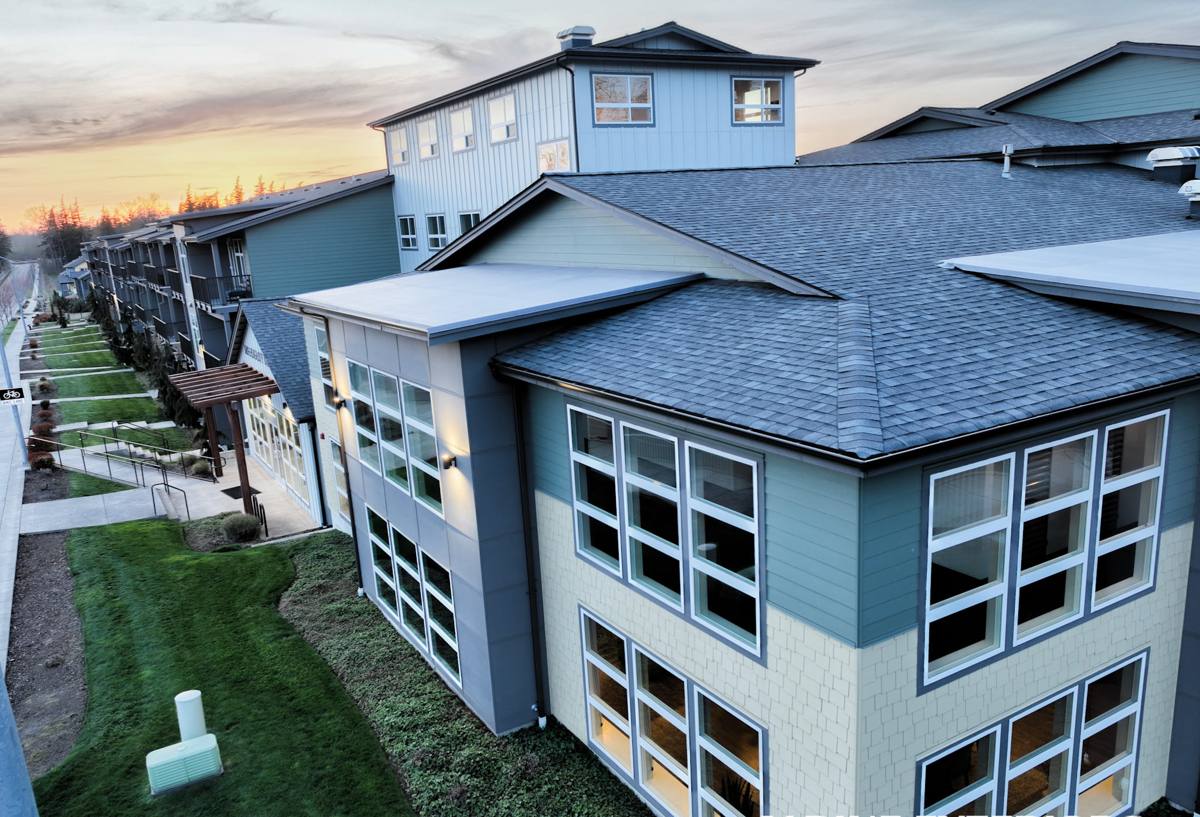
Why Repair Work Here Is Different From a Dry-Climate Job
A siding repair in a dry region is mostly a cosmetic fix. A siding repair in this part of Washington is a moisture-management problem first and a cosmetic fix second. Get the moisture part wrong and the patch fails again, usually faster than the original damage took to develop.
The three things driving repair needs locally
- Driving rain: Storms here often come with real wind behind them, pushing water sideways into seams, laps, and trim joints that a straight-down rain would never reach.
- Extended damp season: Long stretches where siding never fully dries between rain events keep moisture in contact with vulnerable materials for weeks at a time, not hours.
- Moss and organic growth: Shaded walls, north exposures, and anywhere airflow is limited grow moss and algae readily, and that growth holds moisture directly against the siding surface.
None of that is unique to Everson specifically, but it's the baseline every siding repair in this region has to account for — which is a big part of why the right fix depends on knowing the area, not just knowing siding in general.
Signs an Everson Home Needs a Siding Repair Call
Some damage is obvious. A lot of it isn't, especially with older siding installations where a small problem has had years to work on the wall behind it. Here's what we tell homeowners to walk their exterior and look for:
- Soft or spongy spots when you press on the siding, especially near the bottom courses and around windows
- Visible cracking, splitting, or buckling in individual boards or panels
- Paint that's peeling, bubbling, or failing in a localized area rather than evenly across the whole wall
- Dark staining or streaking that doesn't wash off — often a sign of moisture tracking behind the surface
- Persistent moss or algae growth that keeps coming back no matter how often it's cleaned
- Gaps opening up at seams, corners, or where siding meets trim, window, and door frames
- Any area where a past repair or caulk job is now cracking or separating again
Any one of these on its own might be minor. Several showing up on the same wall, or the same spot failing repeatedly, usually means there's a moisture path that hasn't been addressed — and that's the thing an honest repair actually has to fix.
What a Correct Siding Repair Actually Involves
A repair that just replaces the damaged board and moves on often looks fine for a season or two and then fails again in the same spot. That's because the board wasn't the problem — the board was the symptom. A repair done right works through this sequence:
1. Find the actual water path
Before anything gets replaced, we trace where water is actually getting in. That might be a failed seal at a window, a flashing detail that was never installed correctly, a nail that backed out and left a gap, or a grade issue pushing splashback onto the lower courses. Replacing siding without fixing this is a temporary patch, not a repair.
2. Check what's behind the siding
Once boards are pulled, we look at the house wrap, sheathing, and framing underneath. If there's rot or sustained moisture damage back there, that has to be addressed before new siding goes back up — otherwise you're covering a problem, not solving it.
3. Match materials and installation method correctly
Repairs need to tie into the existing siding properly — correct fastening, correct overlap, correct sealant at the right joints (and no sealant where it doesn't belong, which is a common mistake that traps moisture instead of shedding it).
4. Rebuild the drainage path
Good siding installation isn't just a weather-tight surface — it's a system that lets any moisture that does get behind it drain and dry out. A repair that ignores this just sets up the next failure.
Repair or Replace? An Honest Framework
Not every damaged section needs a full re-side, and not every "repair" job is actually cheaper in the long run. We walk homeowners through this honestly on every visit — here's the general logic we use:
| Situation | Usually Points To | Why |
|---|---|---|
| Isolated damage, 1-3 boards, sound wall underneath | Targeted repair | The problem is contained and the underlying structure is dry |
| Repeated failures at the same spot, multiple repair attempts | Repair with root-cause fix, or replace that section | A recurring failure means the water path was never actually solved |
| Rot or moisture damage found behind more than one wall | Broader replacement | Widespread hidden damage means the whole cladding system has likely aged out |
| Siding is original and near end of expected service life | Replacement | Patching an aging system delays the inevitable and rarely matches appearance well |
| Damage is cosmetic only, structure underneath is dry | Repair | No reason to replace sound material |
We'll tell you straight which category your situation falls into. If a repair is genuinely the right call, that's what we'll recommend — we're not trying to upsell a full re-side when a targeted fix will hold.
How We Handle a Repair Visit
- On-site assessment: We inspect the damaged area and the surrounding siding, not just the spot you called about — hidden problems are common near the visible one.
- Explain what we find: You get a plain-language rundown of what's causing the damage and what fixing it correctly requires, before any work starts.
- Scoped repair plan: A clear plan for what gets replaced, what gets sealed, and what (if anything) needs attention behind the siding.
- The repair itself: Matched materials, correct fastening and flashing detail, and a drainage-aware installation — not just a board swap.
- Walkthrough when it's done: We show you the completed work and explain what to watch for going forward.
Why Repairs Get Matched to James Hardie, Not Whatever's on the Wall
When we're repairing or replacing sections of siding, we install James Hardie fiber cement — it's the only siding product we put on a house. On a repair job specifically, that decision matters even more than on a full re-side, because a repair section has to hold up to the exact same rain and moss exposure as the rest of the wall, indefinitely, with a seam tying it into older material.
Hardie's fiber cement doesn't absorb water the way wood-based products can, and it isn't vulnerable to the swelling and softening that leads to a second round of rot in a repaired area. It's non-combustible, holds its factory-applied ColorPlus finish without the frequent repainting cycle that wood siding demands, and Hardie's HZ product lines are engineered for exactly this kind of climate — sustained moisture exposure over years, not just a dry summer.
We don't install LP SmartSide, vinyl, Cemplank, Allura, primed spruce, or cedar. Each of those has legitimate uses and reasonable people choose them, but we've made a professional call that fiber cement — specifically Hardie — is the product that holds up best to what Whatcom County weather does to a wall year after year, and it's what we stand behind on every repair and replacement we do.
Why a Crew That Already Works Everson Matters
Siding repair work benefits from local familiarity in ways that aren't always obvious until something goes sideways. A crew that already knows the area:
- Recognizes moisture and moss patterns typical of this region's exposure and orientation issues on sight, rather than treating every job as a first guess
- Can get parts and matched materials without the delays that come from unfamiliar supply chains
- Understands the practical realities of scheduling around this region's wet season, so repairs get done in windows that actually let materials cure and seal properly
- Has a reputation in the area to protect — which keeps the work honest
We're based in Blaine and treat Everson calls as local work, not a drive-out job squeezed between other territories. That matters for response time, for follow-up if something needs a second look, and for actually knowing the conditions your siding has been dealing with.
Get an Honest Look at Your Siding
If you're seeing soft spots, recurring moss, staining, or a seam that's opened up, it's worth getting eyes on it before another wet season works on it further. We'll give you a straight answer on whether it's a targeted repair or something bigger — no pressure, no upsell. Request a free estimate using the form below and we'll get a look at what your Everson home actually needs.