 Blaine Window
 Siding That Has to Work in Dakota Creek's Climate
Dakota Creek sits close enough to the water that homes here take a different kind of weather beating than siding does further inland. Salt-laden air off the strait works on fasteners and finishes year-round. Driving rain, pushed sideways by wind off the water, tests every seam and joint in a wall system. And the long, gray moss season that Whatcom County is known for gives algae and moss months at a time to get a foothold on anything that stays damp. Siding installed here isn't just a cosmetic upgrade — it's the first line of defense for the wall behind it.
We install James Hardie fiber cement siding exclusively, and we've done enough work in and around Blaine to know what this specific stretch of coastline does to a house over ten, twenty, and thirty years. This page covers what Dakota Creek homes actually need from a siding job, what correct installation looks like, and why the crew you hire matters as much as the product you choose.
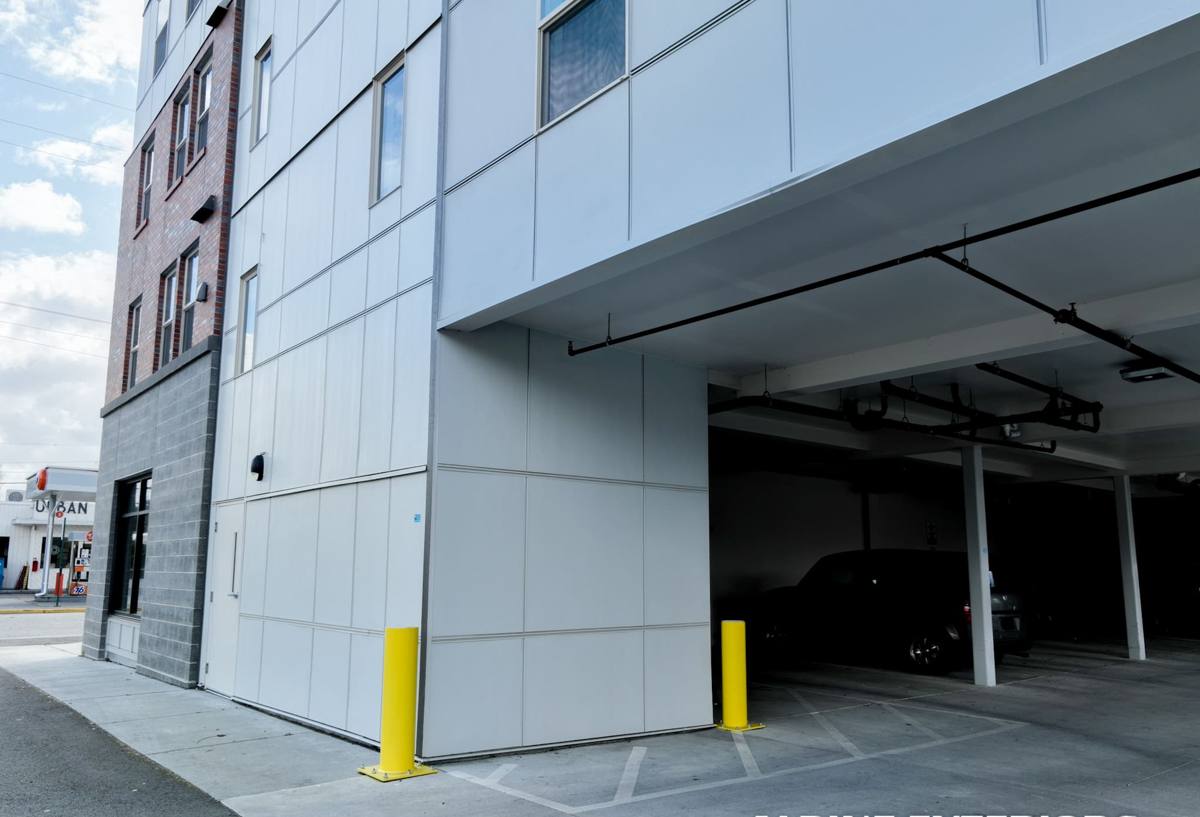
What Dakota Creek Homes Are Up Against
Three climate factors show up again and again on homes in this area, and they compound each other:
Salt Air and Corrosion
Airborne salt doesn't just affect homes right on the waterfront — it travels on prevailing winds and settles on siding, trim, and fasteners well inland from the shoreline. Over time it accelerates corrosion on anything not rated for a marine-influenced environment, which is why fastener choice and flashing metal matter as much as the siding material itself.
Wind-Driven Rain
Rain that falls straight down is far easier to shed than rain being pushed horizontally into a wall. Whatcom County's coastal weather regularly does the latter, which puts real pressure on laps, butt joints, and anywhere two pieces of siding or trim meet. A siding system that isn't detailed correctly at these points will eventually let water behind it, whether the siding itself is a good product or not.
Moss and Algae Season
Cool, damp, low-sun conditions stretch across much of the year here, and that's exactly what moss and algae need to establish themselves on siding, especially on north-facing walls and anywhere shaded by trees. Some siding materials resist this better than others, and the factory finish matters as much as the substrate.
Why We Install Only James Hardie Fiber Cement
We made a deliberate decision to standardize on James Hardie and not offer vinyl, LP SmartSide, or other fiber cement brands, even though all of those products have a place in the market. Fiber cement as a category resists moisture, rot, and pest damage in ways that wood-based and engineered-wood siding simply can't match, which matters directly in a climate with this much sustained moisture exposure. Within fiber cement, James Hardie's ColorPlus factory-applied finish is baked on and warrantied against fading and chipping in a way that field-applied paint systems aren't, and the HZ5 product line is engineered specifically for climates with freeze-thaw cycles and heavy moisture exposure — which describes this part of Washington well.
Hardie also backs its products with a strong transferable warranty, which matters if you ever sell the home. We're not paid more or less depending on what we install; we simply won't put a product on a Dakota Creek home that we don't believe will hold up to what this climate does to it.
What a Correct Siding Installation Involves
The siding material is only part of the equation. Most siding failures we get called out to inspect — regardless of brand — trace back to installation shortcuts, not the product itself. A correct job addresses several things most homeowners never see once the job is done.
Water Management Behind the Siding
Every wall needs a weather-resistant barrier installed correctly behind the siding, with proper overlaps and integration at windows, doors, and penetrations. Siding is the outer shell, not the only line of defense — if the drainage plane behind it is done wrong, good siding won't save a bad wall.
Fastening and Clearances
James Hardie publishes specific fastener requirements — type, coating, spacing, and penetration depth — and specific clearance requirements from grade, roof lines, and decks. In a salt-air environment, using the wrong fastener coating shortens the life of the installation dramatically, even if the siding itself is rated for decades.
Joints, Trim, and Flashing
Butt joints, corners, and trim intersections are where wind-driven rain finds its way in if they're not detailed correctly. Proper flashing at every horizontal trim piece, correct joint treatment, and attention to how water is meant to shed off the wall are what separate a durable installation from one that looks fine for a few years and then starts showing problems.
Choosing the Right Product Line for This Location
James Hardie makes several distinct siding profiles, and the right choice depends on the home's style, exposure, and your maintenance preferences. For a home near Dakota Creek, we weigh moisture exposure and wind exposure alongside the usual aesthetic questions.
| Product | Profile | Best Fit |
|---|---|---|
| HardiePlank | Horizontal lap siding | Traditional and most common look; wide color and texture range |
| HardiePanel | Vertical panel siding | Modern look, or paired with lap siding as an accent |
| HardieShingle | Staggered or straight-edge shingle profile | Craftsman and cottage-style homes |
| HardieTrim | Trim boards | Corners, window and door surrounds, fascia |
All of these are available with ColorPlus factory finishes, which is the option we recommend for homes in this area — a factory-cured finish holds up to salt air and moisture exposure better than a field-applied topcoat, and it reduces the repainting cycle homeowners would otherwise be looking at.
Our Process, Start to Finish
- On-site assessment — we look at the existing wall assembly, current siding condition, moisture or rot issues, and exposure on each elevation before recommending anything.
- Scope and product selection — we walk through profile, color, and trim options based on the home's style and exposure, and give you a clear, itemized estimate.
- Tear-off and wall prep — old siding comes off, sheathing is inspected and repaired where needed, and the weather-resistant barrier is installed or verified before anything new goes up.
- Installation to manufacturer spec — fastening, clearances, flashing, and joint treatment are done to James Hardie's published requirements, not shortcuts.
- Final walkthrough — we go over the finished job with you, including what to expect for maintenance going forward.
Why a Crew That Already Works Dakota Creek Matters
Siding installation isn't identical everywhere in Whatcom County. A crew that regularly works this close to the water already accounts for the fastener corrosion resistance, the wind exposure at trim and joints, and the moss patterns on shaded, north-facing walls before they ever start the job — instead of learning those lessons on your house. Familiarity with local permitting and typical wall conditions in older Dakota Creek homes also speeds up the assessment and prevents surprises mid-project.
Maintenance After Installation
James Hardie siding is low-maintenance compared to wood or engineered wood siding, but "low-maintenance" isn't "no-maintenance," especially in a moss-prone, salt-air climate. A little routine attention keeps it looking and performing the way it should for decades.
- Rinse siding down once or twice a year to clear salt residue and organic buildup, especially on shaded elevations
- Keep gutters clear so water isn't sheeting down the wall face during heavy rain
- Trim back vegetation and tree cover that keeps siding damp and shaded longer than necessary
- Inspect caulking and joint sealant periodically and have any gaps addressed before winter
- Address any impact damage or chipping promptly rather than letting moisture get behind the panel
What Affects the Cost of a Siding Project
| Factor | Why It Matters |
|---|---|
| Home size and elevation count | More wall area and more corners/trim intersections mean more material and labor |
| Current siding condition | Tear-off complexity and any sheathing repair needed behind the old siding |
| Product line and profile | Lap, panel, and shingle profiles carry different material and labor costs |
| Trim scope | Full trim replacement adds cost but improves long-term water management |
| Site access and exposure | Wind and rain exposure levels can affect scheduling and sequencing |
Every home is different, and the only way to get an accurate number is a look at your specific house and wall condition.
If your Dakota Creek home's siding is showing its age, or you're planning ahead for a replacement, we're happy to walk the property with you and give you a straightforward, no-pressure estimate. Use the form below to get started.