 Blaine Window
 Siding Built for the Semiahmoo Peninsula
Homes on and around the Semiahmoo peninsula sit in one of the more demanding microclimates in Whatcom County. The spit is exposed to open water on both sides, which means wind-driven rain hits siding at angles a typical inland home never sees. Add the salt content in the air coming off Semiahmoo Bay and Drayton Harbor, and the moss and algae that thrive in this region's long, wet, mild winters, and you have three separate forces working against whatever material is on the wall. Siding installation here isn't just a cosmetic upgrade — it's the first line of defense for the wall assembly behind it.
We install siding throughout Blaine and the surrounding Whatcom County waterfront, and Semiahmoo comes with its own set of considerations we plan for before the first piece of trim goes up: wind exposure, salt-laden moisture, and a moss season that runs longer than most homeowners expect.
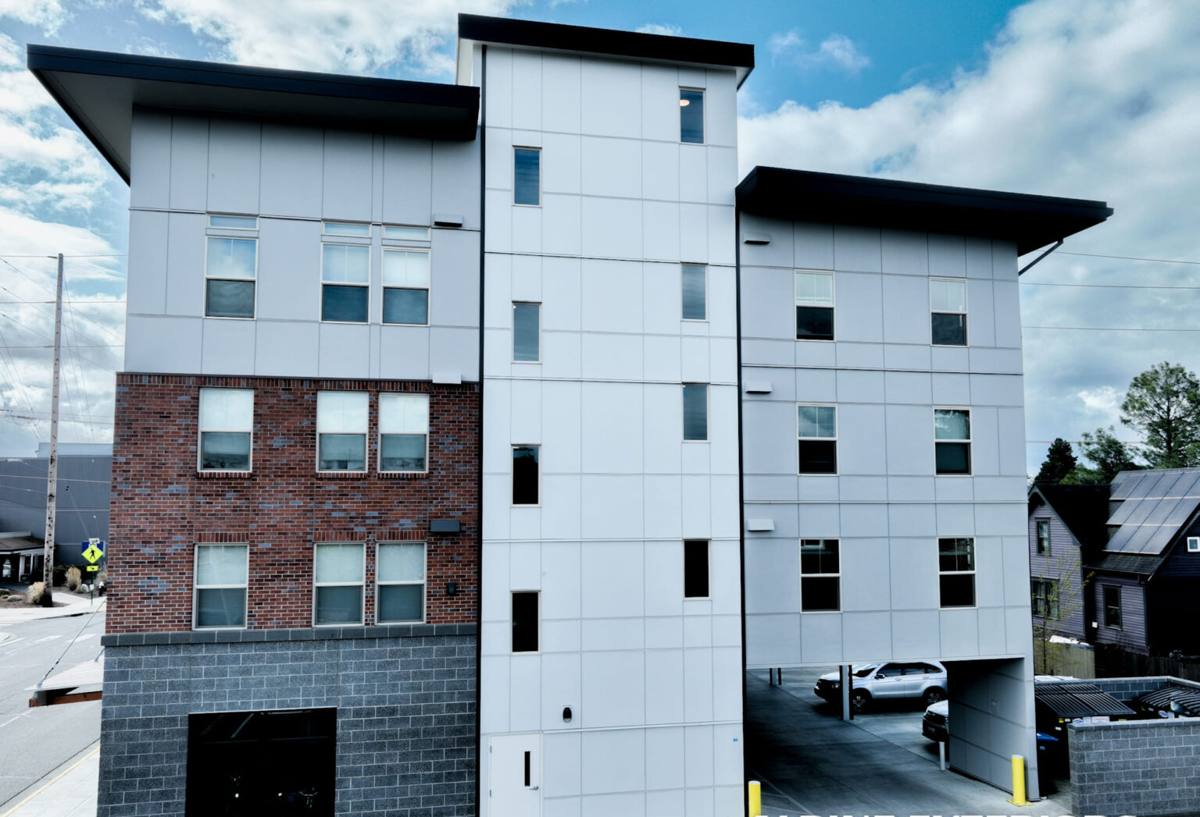
What Salt Air, Driving Rain, and Moss Actually Do to Siding
Salt Air
Airborne salt is corrosive to exposed metal — fasteners, flashing, trim caps, and hardware. On a peninsula like Semiahmoo, that salt exposure is more constant than a few miles inland. Over years, corroded fasteners loosen siding panels, and failing flashing lets water behind the cladding where it doesn't belong. The siding material itself also matters: some products absorb moisture and swell or delaminate faster in salt-humid air, while others hold up with minimal change.
Wind-Driven Rain
Rain that falls straight down is easy for siding to shed. Rain that's pushed sideways by open-water wind is a different problem — it gets forced up under laps, into seams, and around penetrations that would stay dry on a more sheltered lot. This is why lap spacing, flashing details, and caulking joints matter more here than they would on a home tucked into a wooded, wind-protected site.
A Long Moss Season
Whatcom County's mild, wet winters give moss and algae a long window to establish themselves, especially on north-facing walls, under eaves, and anywhere siding stays damp longer than it should. Moss holds moisture against the surface, which accelerates wear on materials that aren't built to handle sustained dampness — and it's a maintenance headache regardless of what's on the wall.
Why We Only Install James Hardie Fiber Cement Here
We made a standardizing decision a long time ago: we install James Hardie fiber cement siding, and we don't install vinyl, LP SmartSide, Cemplank, Allura, or primed wood species like spruce or cedar. That's not a marketing line — it's a practical one, and it matters even more on a site like Semiahmoo.
Fiber cement is non-combustible and dimensionally stable, meaning it doesn't expand, contract, warp, or absorb moisture the way wood-based or engineered-wood products can. James Hardie's HZ10 product line is specifically engineered for cool, wet, marine climates like the Pacific Northwest — it's formulated to resist moisture-related damage in exactly the conditions Semiahmoo sees for most of the year. The factory-applied ColorPlus finish is also baked on under controlled conditions, which holds up better against salt air and UV than field-applied paint, and it comes with its own finish warranty separate from the substrate warranty.
We're not going to tell you every other product is unusable — vinyl and engineered wood siding both have a place in the market. But we won't install them, because we've seen how they perform against sustained salt exposure, wind-driven moisture, and long wet seasons, and we'd rather put one product on every home we work on and stand behind it fully than offer options we can't fully vouch for in this climate.
What Correct Installation Involves
The siding material is only part of the equation. Most siding failures we get called out to inspect aren't a product problem — they're an installation problem. On a wind- and moisture-exposed site like Semiahmoo, the details behind the siding matter as much as the siding itself.
- Weather-resistive barrier (WRB): A continuous, properly lapped water barrier behind the siding, sealed at every penetration.
- Rainscreen drainage gap: A ventilated air gap between the WRB and the siding lets any moisture that gets past the cladding drain and dry out instead of sitting against the wall sheathing.
- Flashing at every horizontal surface: Window heads, doors, decks, and roof-to-wall transitions all need properly integrated flashing, not just caulk.
- Correct fastener spacing and type: Corrosion-resistant fasteners, driven per manufacturer spec — not overdriven, not underdriven.
- Proper clearances: Siding held off grade, roofing, decks, and horizontal surfaces per code and manufacturer guidelines, so water doesn't wick up from below.
- Caulked and sealed joints at trim and penetrations: Especially important on wind-exposed elevations facing the water.
Skip any one of these and the wall assembly is compromised, regardless of how good the siding material is. This is where hiring a crew that installs one product, consistently, to the manufacturer's specification pays off — there's no guesswork about which details apply to which product line.
Comparing Options Homeowners Consider
Homeowners on the peninsula sometimes ask us why we won't quote vinyl or engineered wood alongside Hardie. Here's an honest look at the trade-offs, specifically as they play out in a salt-air, high-wind, high-moss environment:
| Factor | James Hardie Fiber Cement | Vinyl Siding | Engineered Wood (e.g. LP SmartSide) |
|---|---|---|---|
| Salt air / corrosion resistance | Non-combustible, dimensionally stable, unaffected by salt exposure | Doesn't corrode, but can become brittle and discolor faster near salt water | Wood-based core is vulnerable if moisture reaches cut edges or seams |
| Wind-driven rain performance | Rigid panels hold tight laps; performs well when flashed correctly | Can flex and rattle in sustained wind; seams can allow water intrusion | Performs well when sealed, but any breach at seams risks swelling |
| Moss / moisture resistance | Won't rot; factory finish resists staining longer | Won't rot, but moss and algae still cling to the surface | Wood fiber core can absorb moisture and swell if moss holds water against it |
| Fire resistance | Non-combustible material | Combustible, can melt or warp near heat sources | Combustible |
| Finish longevity | Factory-baked ColorPlus finish, separate finish warranty | Color is through-body but can fade and chalk over time | Field or factory paint, typically shorter repaint cycle |
This table isn't meant to declare vinyl or engineered wood unusable everywhere — it's meant to show why, specifically for a site exposed to salt air and open-water wind, we standardized on the product built to handle it.
Our Installation Process
- On-site assessment: We walk the exterior, note wind exposure on each elevation, check existing moisture damage, and identify problem areas like north-facing walls prone to moss.
- Tear-off and inspection: Old siding comes off and we inspect the sheathing underneath for rot or damage before anything new goes on — this is where hidden moisture problems get caught.
- WRB and flashing installation: A continuous water barrier and properly integrated flashing at every window, door, and penetration.
- Rainscreen application: A drainage gap installed per Hardie's guidelines for this climate zone.
- Hardie panel or lap installation: Installed to manufacturer spec for fastener type, spacing, and clearance.
- Trim, caulking, and finish detailing: Sealed joints and clean trim lines, with extra attention on elevations facing prevailing wind and water.
- Final walkthrough: We review the finished work with you before calling the job done.
Signs Semiahmoo Homeowners Should Watch For
If your current siding is showing any of the following, it's worth having it looked at before the next wet season sets in:
- Persistent moss or algae growth that returns shortly after cleaning
- Soft or spongy spots when pressed, especially near the bottom courses or around windows
- Visible warping, buckling, or gaps between panels
- Peeling or bubbling paint that keeps coming back in the same spots
- Rusted or popped fasteners along wind-exposed elevations
- Water stains on interior walls near exterior corners or window openings
Any one of these can be isolated, but on a wind- and salt-exposed site they often point to a bigger moisture problem behind the siding that's worth catching early.
Maintenance in a Salt-Air, Moss-Prone Climate
James Hardie siding is low-maintenance compared to wood-based products, but "low-maintenance" isn't "no-maintenance" on a site like this. A periodic rinse to keep salt residue and organic buildup from accumulating, especially on north-facing and shaded walls, goes a long way. Keeping gutters clear and vegetation trimmed back from siding reduces the standing moisture that feeds moss growth. Because the ColorPlus finish is factory-cured, it holds up to this routine cleaning far better than field-applied paint would.
Why Local Installation Experience Matters
A crew that's worked siding jobs across Blaine and Whatcom County's waterfront areas already knows which elevations on a Semiahmoo property will take the brunt of the wind, where moss tends to establish first, and how to detail flashing for a home that's going to see more sustained moisture exposure than an inland build. That's the kind of judgment that doesn't come from a spec sheet — it comes from having done the work in this exact environment before. It also means we're familiar with local permitting through the City of Blaine and Whatcom County, so the paperwork side of the project doesn't slow things down.
If you're weighing a siding replacement or new siding installation on a Semiahmoo property, we're happy to come take a look, walk the exterior with you, and give you a straight answer on what your home needs — no pressure, no upsell. Reach out for a free estimate using the form below.