 Blaine Window
 Sandy Point sits right on the water northwest of Blaine, and that waterfront position shapes what window replacement actually needs to look like here. Homes in this community face onshore wind and marine air more directly than houses set back even a short distance inland, and a lot of the housing stock started life as smaller beach cabins before being expanded, remodeled, or converted into full-time residences over the years. That mix of older original windows, mismatched additions, and full sun-and-salt exposure is what makes window replacement in Sandy Point its own kind of project, not a generic swap-and-go job.
We treat window replacement here as weather-driven work first and cosmetic work second. The frame, the flashing, and the seal around each opening matter more in a spot like Sandy Point than they would a few miles inland in Blaine or Custer, because the marine exposure gives every weak point in an installation more chances to fail.
Why Sandy Point's Location Changes the Job
Being close to the water means Sandy Point homes deal with salt-laden air on a near-constant basis, wind-driven rain that hits siding and window openings at an angle instead of falling straight down, and shaded, damp conditions on north- and west-facing walls that keep moss and mildew active for most of the year. None of that is unique to Sandy Point within Whatcom County, but the degree of exposure is higher here than in most neighborhoods further from the shoreline.
Older windows in this kind of setting tend to fail from the outside in. Hardware corrodes before the glass fogs. Wood sills soften from repeated wetting before the sash itself shows visible damage. Seals around the frame degrade quietly, letting moisture into the wall cavity long before a homeowner notices a draft. By the time a window feels obviously wrong, the surrounding wall assembly has often been absorbing water for a while.
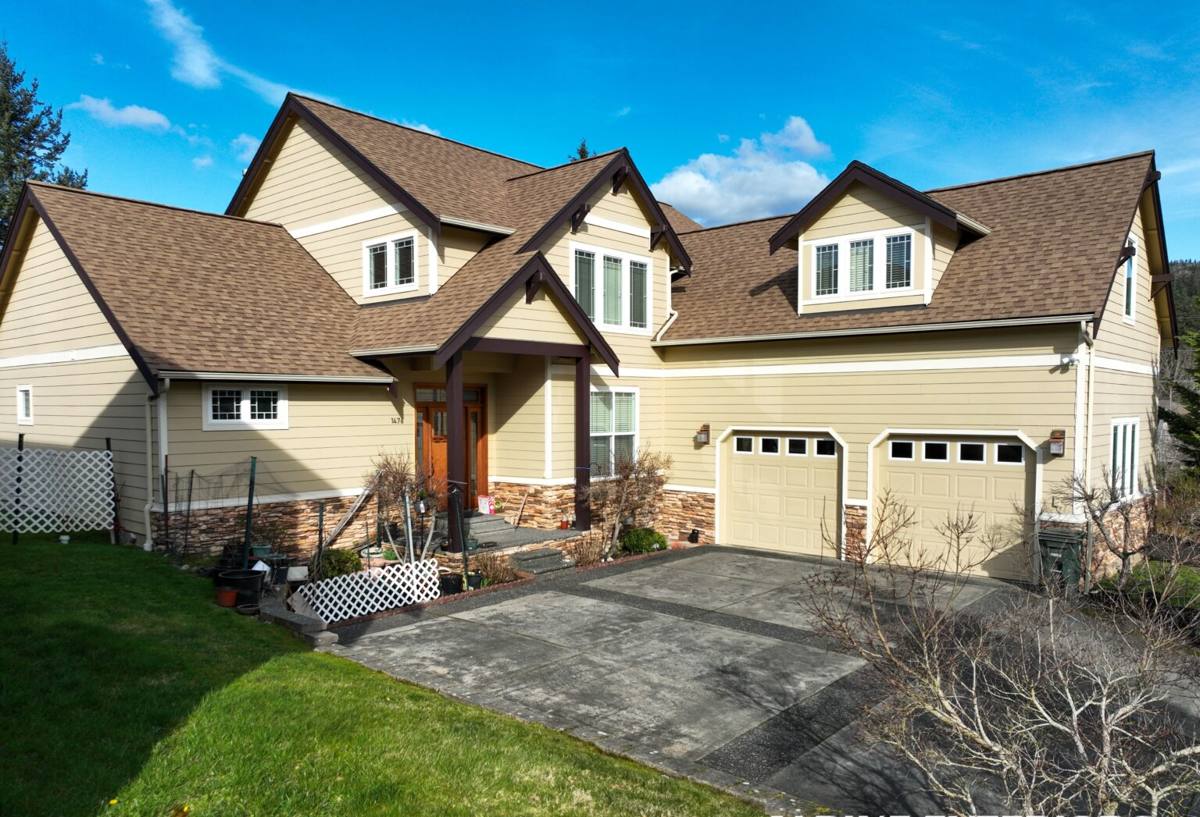
What the Marine Climate Does to Windows Over Time
Salt Air and Hardware
Salt in the air accelerates corrosion on lower-grade fasteners, hinges, balances, and locking hardware. This shows up first as stiff or sticky operation, then as visible rust or pitting, well before the window itself is unusable. It's one of the clearest signs an older window's hardware wasn't specified for coastal duty.
Driving Rain and Flashing
Storms off the water push rain sideways into wall assemblies rather than letting it run off a roofline the way it would in a calmer setting. That means flashing and sealant details that would hold up fine inland get tested much harder in Sandy Point. Gaps that never see water elsewhere can end up sitting wet here for hours during a windstorm.
The Long Moss Season
Whatcom County's wet season already runs long, and shaded, damp sites near the water extend it further. Moss and mildew growth on trim, sills, and the lower edges of window frames isn't just cosmetic — sustained moisture and organic growth soften wood over time and can mask early rot until it's well established.
Signs a Sandy Point Window Needs Replacement, Not Repair
Not every window issue means a full replacement. But in a marine environment, problems tend to compound faster than they would inland, so it's worth knowing what points toward replacement rather than a patch job:
- Soft, spongy, or visibly rotted wood at the sill or lower frame corners
- Persistent fogging or a visible haze between panes on double- or triple-glazed units, indicating a failed seal
- Hardware — locks, cranks, balances — that's rusted, seized, or broken beyond a simple hardware swap
- Drafts or cold spots felt directly at the frame, not just around the glass
- Visible daylight or gaps between the frame and the surrounding wall or trim
- Paint or finish that keeps failing on the frame within a year or two of being redone
- Moss or mildew that returns quickly after cleaning, especially at the bottom corners of the frame
Any one of these on its own might be repairable. Several showing up together on the same window, especially on a wall that faces the water or prevailing wind, usually means the frame and seal have been compromised for a while and replacement is the more honest recommendation.
What a Correct Window Replacement Job Involves
Assessment and Measurement
We start by looking at the actual opening, not just the window itself. On older Sandy Point homes, this often means checking whether the rough opening is still square and whether the wall assembly behind the trim shows any signs of past water intrusion. That assessment drives the rest of the plan — a straightforward like-for-like swap is a different job than one where the opening needs repair first.
Removal Without Making Things Worse
Pulling an old window out carelessly can damage siding, trim, or flashing that's still doing its job. We remove the old unit in a way that protects what's salvageable and exposes what isn't, so any hidden rot or old flashing failures get found and addressed before a new window goes in over the top of a problem.
Flashing and Weatherproofing
This is the step that matters most in a spot like Sandy Point. Flashing has to be layered correctly — from the bottom up, so each course sheds water onto the one below it — and integrated with the house wrap or building paper already on the wall, not just caulked at the edges. A window with a good frame and a poor flashing job will leak; a window with a modest frame and a correctly built flashing plan usually won't.
Setting, Shimming, and Insulating
The new unit gets set level and plumb, shimmed at the right points to avoid distorting the frame, and insulated around the perimeter without overpacking the gap, which can bow the frame inward and cause the sash to bind. Small details, but they're the difference between a window that operates smoothly for years and one that starts sticking within a season.
Trim and Finish
Exterior trim gets sealed and finished to match the surrounding siding, with attention to how water will shed off the top and sides of the trim rather than pooling against it. On a home that's visible from the water or the street, this is also where the finished look either matches the rest of the house cleanly or looks like an obvious add-on.
Practical Checklist Before You Commit to a Window Job
- Confirm whether the job is a simple insert replacement or requires removing the old frame down to the rough opening
- Ask what happens if rot or old water damage is found once the existing window comes out
- Get the flashing approach explained in plain terms, not just "we'll seal it up"
- Confirm frame material and hardware grade, especially for water-facing or wind-exposed walls
- Ask what's covered under warranty for the window unit versus the installation labor
- Get a written scope and timeline before signing anything
Frame Materials for Sandy Point's Exposure
Frame material choice matters more here than it would somewhere calmer and drier. We'll walk through the honest trade-offs for your specific windows and orientation rather than defaulting to whichever product is fastest to install.
| Frame Material | How It Handles This Exposure | Maintenance Burden |
|---|---|---|
| Vinyl | Resists corrosion well; performance varies by quality of the extrusion and reinforcement | Low — no painting, minimal upkeep |
| Fiberglass | Very stable in temperature swings and moisture; holds paint and finish well over time | Low to moderate — occasional refinishing if painted |
| Aluminum | Strong and corrosion-resistant when properly coated, but conducts cold and can feel drafty without a thermal break | Low, but coating quality matters near salt air |
| All-wood exterior | Classic look, but exposed wood takes the most direct hit from salt air and driving rain | High — regular painting or sealing, more frequent inspection |
| Wood-clad (wood interior, clad exterior) | Keeps the wood look inside while a low-maintenance material takes the weather outside | Low to moderate on the exterior; interior wood still needs normal care |
For walls that face the water or prevailing wind directly, we generally steer toward vinyl or fiberglass, or a wood-clad option where the interior wood look matters and the exterior cladding is properly detailed. An all-wood exterior can still be the right call on a protected wall or for matching a specific architectural style — it just needs a realistic conversation about the upkeep that comes with it in this climate.
Our Process, Start to Finish
- On-site assessment — we look at each window and its opening, not just take a count, and flag anything that suggests hidden water damage
- Honest recommendation — repair, insert replacement, or full-frame replacement, explained with the reasoning, not just a sales pitch
- Material and product selection — matched to the wall's exposure and your budget, with the trade-offs laid out plainly
- Removal and opening prep — old units come out carefully, and any rot or flashing issues found underneath get addressed before anything new goes in
- Installation and flashing — set, shimmed, insulated, and flashed in a sequence built for wind-driven rain, not just a calm-weather install
- Trim and finish — exterior trim integrated cleanly with the surrounding siding
What Actually Drives Cost
We won't quote a number without seeing the windows in person, but the factors that move price on a Sandy Point job are fairly consistent: the number of openings, whether it's an insert replacement or a full-frame job that involves opening up the wall, frame material and glass package, whether any rot or structural repair turns up once the old window is out, and access — some waterfront lots and older cottages have tighter or less convenient access than a standard suburban lot. We'll walk through which of those apply to your home before you commit to anything.
Why a Local Crew Matters in Sandy Point
Manufacturer installation instructions are written for average conditions, not for a low-lying waterfront community that takes wind and salt air more directly than most of Whatcom County. A crew that has actually installed and flashed windows on homes in Sandy Point and along the rest of the Blaine coastline knows which parts of that generic guidance are worth extra time here — how many courses of flashing lap is really enough when rain is coming in sideways, which hardware grades hold up and which ones start seizing within a couple of seasons, and where a bead of caulk is being asked to do a job that should belong to properly layered flashing instead.
That local experience also shows up in smaller, less obvious calls: recognizing when an older cabin's wall assembly needs more than a window swap to be watertight again, or knowing that a north-facing wall in this neighborhood is going to need a moss-resistant finish detail that a south-facing wall wouldn't. Those decisions are easy to skip past on a rushed job and hard to notice until they've already caused a problem.
What to Ask Before Hiring for Window Replacement Here
- Ask whether they've worked on homes in Sandy Point or similarly exposed waterfront neighborhoods before
- Ask how they handle flashing on a wall that takes wind-driven rain directly
- Confirm current Washington contractor licensing and insurance
- Get a written scope of work, including what happens if hidden damage is found during removal
- Ask how the window manufacturer's warranty and the installer's labor warranty each work, since they're usually separate
If your windows in Sandy Point are showing rust on the hardware, soft spots at the sill, or drafts you can feel standing next to the frame, it's worth having someone take a look before winter storms make the problem worse. We offer free, no-pressure estimates for window replacement in Sandy Point and the surrounding Blaine area — use the form below to get a time on the schedule.