 Blaine Window
 Sandy Point's Waterfront Setting Asks More of Your Siding
Sandy Point sits right up against the water in Blaine, and that location is exactly why siding fails there faster than it does a few miles inland. Homes here take on salt-laden air off the water almost every day, get hit with wind-driven rain that comes in sideways rather than straight down, and sit under enough cloud cover and tree shade that surfaces stay damp for long stretches during the fall, winter, and spring. Add a heavy moss season that runs longer here than in drier parts of Whatcom County, and you have a combination that punishes any siding material with a weak point in its finish, its water management, or its fastening.
This page is about one thing: what it actually takes to put James Hardie fiber cement siding on a Sandy Point home and have it perform for decades in that environment, not just look good on installation day.
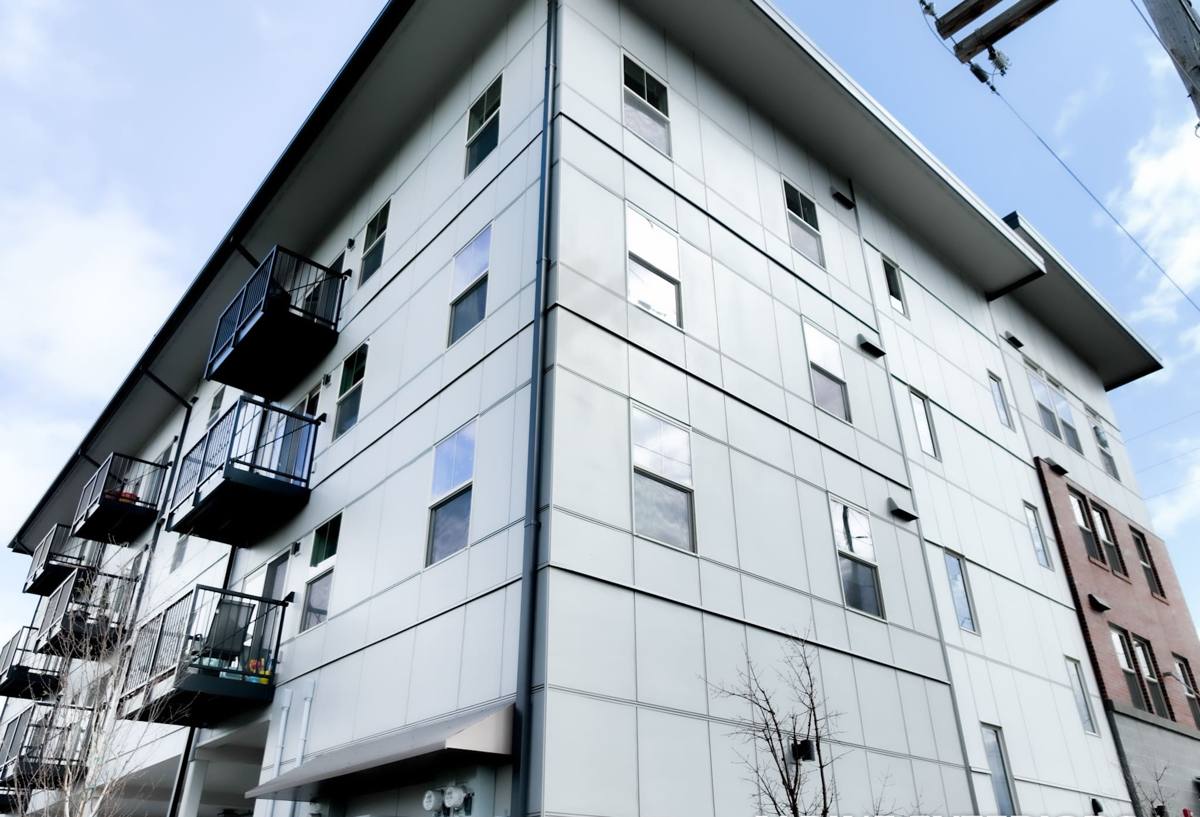
What Salt Air, Rain, and Moss Actually Do to Siding
Salt Air
Airborne salt is corrosive to metal and abrasive to finishes. On siding, the practical effect shows up as accelerated fading, chalking, and breakdown of paint films, plus faster corrosion of any exposed fasteners, flashing, or trim hardware that isn't rated for coastal exposure. A product with a thin or inconsistent factory finish will show wear noticeably faster on a Sandy Point elevation facing the water than the same product would three or four miles inland.
Driving Rain
Wind off the water doesn't just add moisture — it pushes rain sideways and forces it into laps, seams, and penetrations that would stay dry in a calmer setting. Siding systems depend on overlaps, flashing, and a drainage plane behind the cladding to shed that water before it reaches the wall sheathing. Any weak seam or missed flashing detail becomes a real problem here, not a theoretical one.
Moss and Prolonged Dampness
Moss needs shade and moisture to establish, and Sandy Point's tree cover and marine humidity give it both. Moss holds water against a surface long after the rain has stopped, which is hard on any material that can absorb moisture or that relies on a surface coating to keep water out. It also tends to colonize north-facing walls and areas with reduced sun and airflow first — exactly the elevations that get the least maintenance attention.
Why James Hardie Is Built for This
James Hardie fiber cement is engineered from cement, sand, and cellulose fibers — a composition that doesn't rot, doesn't support insect activity, and doesn't swell and delaminate the way wood-based or wood-adjacent siding products can when they stay damp. For coastal Washington, Hardie's HardieZone system matters specifically: Blaine falls into the HZ5 climate designation, and Hardie engineers its panels, planks, and trim for the freeze-thaw and moisture patterns of that zone rather than shipping one generic product nationwide.
The factory-applied ColorPlus finish is the other half of the equation. It's baked on in a controlled environment with better adhesion and UV resistance than field-applied paint, and it comes with its own finish warranty separate from the substrate warranty. On a home that's absorbing salt air and sun reflection off open water, that finish durability is not a cosmetic upgrade — it's the difference between repainting in eight years and repainting in twenty.
Choosing the Right Hardie Profile for a Waterfront Home
Not every Hardie product line makes sense for every home, and the right choice depends on the home's exposure, style, and how much of that water-facing elevation is taking direct weather.
| Product | Best Use | Why It Fits Sandy Point |
|---|---|---|
| HardiePlank lap siding | Most wall areas, traditional and modern homes | Widest ColorPlus color range, proven long-term performance in coastal PNW conditions |
| HardiePanel vertical siding | Accent walls, modern facades, gable ends | Fewer horizontal laps for wind-driven rain to catch on exposed elevations |
| HardieShingle siding | Cottage or Craftsman-style detailing | Textured look without the moisture vulnerability of real wood shingles |
| HardieTrim boards | Corners, window and door surrounds, fascia | Dense, moisture-resistant trim that won't punky or split like primed spruce trim |
On a direct water-facing elevation, we'll often recommend tighter attention to lap exposure and flashing rather than a different product altogether — Hardie's engineered for this zone regardless of profile, but the details around it change based on how much weather that wall actually sees.
What a Correct Installation Involves Here
Water Management Behind the Siding
Fiber cement siding is only as good as the drainage plane and flashing behind it. In a driving-rain environment like Sandy Point, that means a properly lapped weather-resistant barrier, correctly flashed windows and doors, and a rainscreen gap where conditions call for it so any moisture that does get past the cladding can drain and dry instead of sitting against the sheathing.
Fastening and Clearances
Hardie specifies fastener type, placement, and minimum clearances from grade, roof lines, and decks for a reason — get those wrong and you create the exact entry points that salt-laden, wind-driven rain will find first. We follow Hardie's published installation instructions to the letter, including gaps at butt joints and around penetrations that get sealed with the correct products, not caulked over generically.
Finish Integrity
Field cuts expose the raw substrate edge, so every cut edge gets sealed with Hardie-approved touch-up product before installation continues. Skipping this step is a common shortcut that shows up as edge deterioration years later — exactly the kind of failure point that shows up fastest in a salt-air, high-moisture setting.
Moss, Shade, and Airflow Considerations
Because moss thrives on shaded, poorly ventilated walls, we look at more than just the siding material when we're working on a Sandy Point home — we look at how the whole assembly will dry out between rain events. That includes making sure trim and J-channels aren't trapping debris, that ventilation isn't blocked by landscaping pressed right up against the wall, and that drainage details aren't creating spots where water and organic debris collect and give moss a place to start.
Hardie's cement composition doesn't feed moss growth the way wood fiber can, but moss can still establish on any exterior surface given enough shade and moisture. Good installation reduces the conditions moss needs; it doesn't eliminate the need for occasional cleaning on the shadiest elevations.
Why We Only Install James Hardie
We don't install vinyl, LP SmartSide, Cemplank, Allura, or primed wood siding, and Sandy Point's climate is a big part of why. Vinyl can warp and become brittle with UV and temperature swings and offers little real protection against wind-driven rain at the seams. Engineered wood products carry moisture-exposure limitations that a direct waterfront property will test constantly. Other fiber cement brands may look similar on a spec sheet, but we've standardized on Hardie because of its HardieZone engineering for this exact region, its ColorPlus finish warranty, and its long track record in coastal Pacific Northwest conditions. That's a professional standard we hold to on every job, not just a preference.
Why a Crew That Already Works Sandy Point Matters
A contractor who's worked on Sandy Point and similar Blaine-area waterfront properties already understands how far to push lap exposure, where flashing details need extra attention, and which elevations tend to hold moisture longest. That local experience shortens the learning curve on your project and reduces the chance of a callback for a detail that only becomes a problem after a full winter of driving rain off the water. It also means realistic guidance on maintenance timing, since a shaded, water-facing wall in Sandy Point needs different attention than a sun-exposed wall a few blocks inland.
Maintaining Hardie Siding in This Environment
- Rinse salt residue and grime off exterior walls with a garden hose or soft wash at least once or twice a year, focusing on water-facing elevations
- Check caulked joints around windows, doors, and trim annually and recaulk any that have cracked or pulled away
- Trim back landscaping that's shading walls or blocking airflow, especially on north-facing sides prone to moss
- Address moss growth early with a gentle, non-pressure-washing method rather than letting it establish and hold moisture against the surface
- Inspect and clear gutters and downspouts so roof runoff isn't dumping extra water onto siding below
- Watch for any paint chalking, fading, or edge wear and address it while it's still a small, easily managed spot
What Affects the Cost of a Sandy Point Hardie Project
| Factor | Why It Matters Here |
|---|---|
| Existing siding removal | Older siding with moisture damage underneath may need sheathing repair before Hardie goes on |
| Elevation exposure | Direct water-facing walls may warrant added flashing or rainscreen detailing |
| Product mix | Combining plank, panel, shingle accents, and trim changes material and labor totals |
| Color and finish | ColorPlus factory finishes vs. primed-for-paint options affect both cost and long-term maintenance |
| Access and site conditions | Waterfront lots can have tighter access or landscaping that adds setup time |
We won't quote a project without seeing the home, but these are the factors that actually move the number, and we'll walk through each one with you honestly during an estimate.
If your Sandy Point home is due for new siding, or you want a second opinion on a wall that's showing wear, we're happy to take a look and give you a straightforward, no-pressure estimate — use the form below to get started.