 Blaine Window
 Siding Installation for Nooksack Homes
Nooksack sits in the river valley of Whatcom County, surrounded by farmland, tree cover, and enough moisture in the air most of the year to keep everything from fence posts to rooflines green with moss by late winter. Homes here take a different kind of beating than a house in a dry inland climate. It's not one big storm that causes damage — it's the slow, repeated cycle of rain, damp shade, and humidity that never fully lets up between October and May. Siding is the single largest surface on your home exposed to that cycle, and it either sheds water and dries out between rain events, or it holds moisture against the wall and starts a slow failure that's invisible until it isn't.
This page covers what a proper siding installation looks like specifically for a Nooksack property, why we install only James Hardie fiber cement siding, and what our process looks like from first look to final walkthrough.
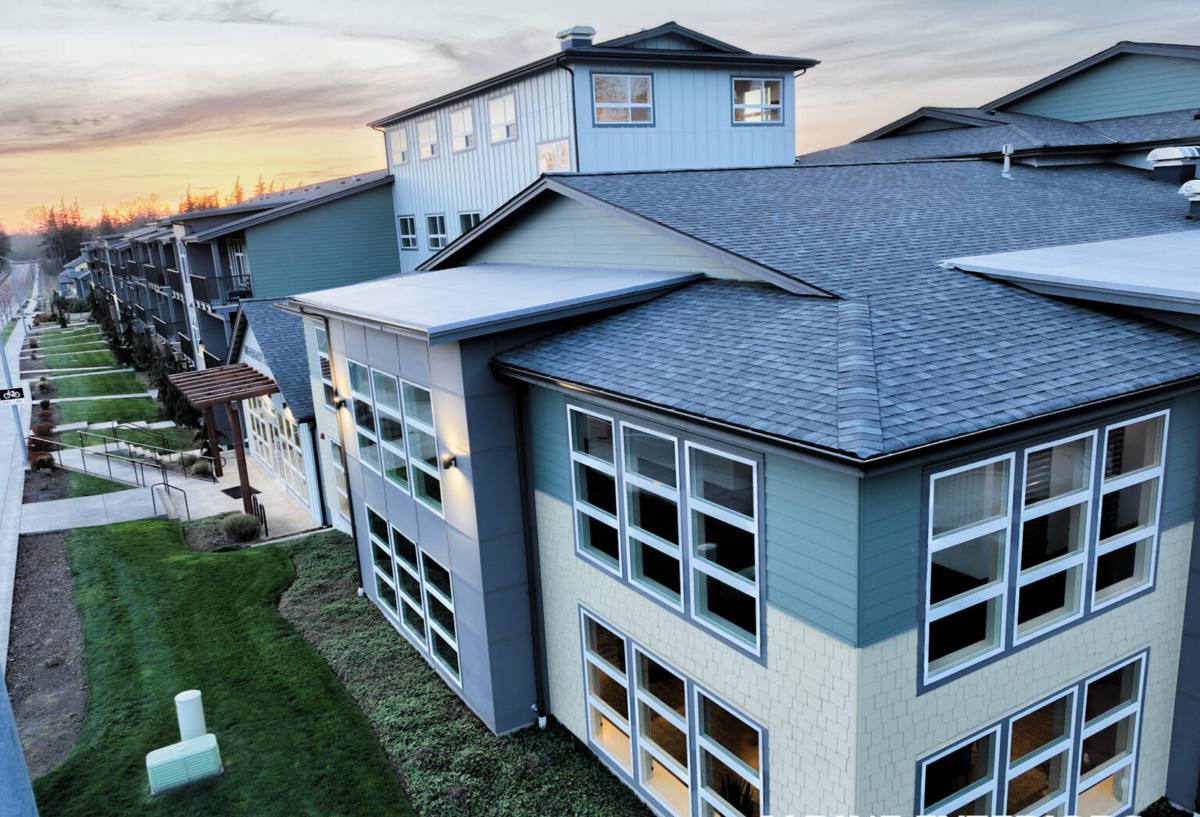
What This Climate Actually Does to Siding
Whatcom County's marine-influenced weather pushes moist air inland from the Strait, and by the time it reaches the Nooksack River valley it's combined with local humidity from the river, irrigated farmland, and heavy tree cover around many properties. The result is a specific set of stresses:
- Extended dampness: siding in shaded, tree-lined, or north-facing spots can stay damp for days after a storm, which is exactly the condition moss, algae, and mildew need to establish.
- Driving rain: wind-driven rain doesn't just hit siding — it gets pushed sideways and upward into laps, corners, and trim joints if they aren't detailed correctly.
- Freeze-thaw swings: the valley sees colder overnight temperatures than coastal Blaine, and any siding that's already absorbed moisture is more likely to crack, cup, or delaminate when that moisture freezes.
- Long moss season: moss doesn't just look bad — its root structure holds water against the surface underneath it, which is a slow but real problem for any material that isn't dimensionally stable when wet.
None of this means Nooksack is a uniquely harsh place to build. It means the margin for installation error is smaller here than it would be in a dry climate, and the material itself needs to be one that tolerates repeated wet-dry cycling without warping, swelling, or feeding organic growth.
Why We Don't Install Vinyl, LP SmartSide, or Untreated Wood Siding
We get asked why we standardized on one product. The honest answer is that we've seen how the alternatives perform over time in exactly this kind of climate, and we'd rather turn down work than install something we don't believe will hold up on a Nooksack home for the long haul.
- Vinyl expands and contracts with temperature swings, which opens seams over time, and it can't be painted a darker color without risking heat warping — limiting homeowners who want a specific look.
- LP SmartSide is an engineered wood product, and any wood-based siding depends entirely on caulking, flashing, and cut-edge sealing being done perfectly and maintained forever. In a valley with this much sustained moisture, that's a maintenance burden we don't think is fair to hand a homeowner.
- Untreated or primed cedar and spruce are beautiful but require the most upkeep of all — refinishing on a schedule, constant attention to end grain, and real vulnerability to the moss and mildew this climate produces.
James Hardie fiber cement doesn't share those weaknesses. It's non-combustible, dimensionally stable when wet, and comes from the factory with a baked-on finish that isn't dependent on a perfect field paint job to perform.
What Correct Installation Actually Involves
The material is only half the equation. Fiber cement siding installed poorly will fail just like anything else — the difference is that a good Hardie installation and a bad one can look identical on day one and only reveal the gap five or ten years later. A correct job includes:
- A continuous water-resistive barrier behind the siding, lapped correctly with flashing at every window, door, and penetration.
- Rain-screen or drainage gap detailing where the wall assembly calls for it, so any water that gets behind the cladding has somewhere to drain instead of sitting against the sheathing.
- Correct fastener type, spacing, and depth — Hardie siding fails prematurely more often from over-driven or wrong-length nails than from the product itself.
- Proper clearance at grade, decks, and roof lines, so siding never sits in standing water or gets buried by mulch and landscaping.
- Factory-cut and field-cut edges sealed per manufacturer spec, since a raw cut edge is the one place fiber cement can absorb water if left untreated.
Every one of these is a place where a rushed installation cuts a corner that won't show up as a problem for years. We install to the manufacturer's published specifications, not to whatever's fastest.
Our Process for a Nooksack Siding Project
1. On-Site Assessment
We walk the property and look at the specific conditions your home faces — shade patterns, tree cover, drainage around the foundation, and the condition of the wall assembly under the existing siding. Nooksack properties vary a lot, from open farmland lots to homes tucked under mature trees, and the assessment tells us what your specific installation needs to account for.
2. Tear-Off and Sheathing Check
We remove the old siding and inspect the sheathing and framing underneath. This is the point where hidden moisture damage from a prior installation's mistakes gets found and addressed — it's much cheaper to fix now than to cover it up and deal with it later.
3. Water Management Layer
We install the weather-resistive barrier and flashing system correctly lapped, shingle-style, so water is always directed outward and down, never trapped behind the cladding.
4. Hardie Installation
Siding goes on to manufacturer spec — correct fasteners, correct spacing, correct clearances at every transition. We don't shortcut caulking or edge sealing to save time.
5. Final Walkthrough
We review the finished work with you, point out anything specific to maintaining it, and make sure every question is answered before we call the job done.
James Hardie Product Lines That Fit This Climate
James Hardie makes region-specific formulations, and for the Pacific Northwest that means the HZ5 product line, engineered for climates with sustained moisture and freeze-thaw cycling rather than extreme heat. Depending on the look you want, that can mean:
- HardiePlank lap siding — the traditional horizontal look, available in several exposure widths and textures.
- HardiePanel vertical siding — for a board-and-batten or modern vertical look, often paired with lap siding as an accent.
- HardieShingle siding — a shaped-shingle look for homes wanting a more traditional or cottage style without the maintenance of real wood shingles.
- HardieTrim — matching trim boards so corners, fascia, and window casing are all part of the same non-combustible, factory-finished system.
Most of what we install carries the factory ColorPlus finish, which is baked on and warranted separately from the substrate, rather than relying on a field-applied paint job to hold color and protect the surface over the years.
Comparing Siding Options for a Nooksack Home
| Factor | James Hardie Fiber Cement | Vinyl | LP SmartSide / Wood |
|---|---|---|---|
| Moisture behavior | Dimensionally stable when wet | Doesn't absorb, but seams can open with temperature swings | Wood-based; depends on sealing being maintained |
| Moss/algae resistance | Factory finish resists staining; cleanable | Can stain and streak in shaded, damp areas | Prone to surface growth if not maintained |
| Fire rating | Non-combustible | Combustible | Combustible |
| Color options | Wide range, factory-baked finish | Limited; dark colors risk heat warping | Field-painted, any color, but repaint cycle required |
| Ongoing maintenance | Occasional wash; no repainting on a schedule | Low, but seam and impact damage isn't repairable | Regular inspection and repainting/resealing needed |
What a Fair Estimate Should Include
| Cost Factor | What It Affects |
|---|---|
| Home size and wall complexity | More corners, gables, and trim details mean more labor and material cuts |
| Tear-off scope | Whether existing siding, and possibly damaged sheathing, needs to be removed and replaced |
| Product selection | Plank vs. panel vs. shingle, exposure width, and finish level all shift material cost |
| Access and site conditions | Tree cover, slope, and staging space affect labor time on a project |
| Trim and accessory work | Matching HardieTrim, new flashing, and fascia work add to full-system pricing |
We give real, itemized numbers after seeing the home in person — broad ranges without a site visit aren't useful to you or accurate for us.
Questions to Ask Before Hiring Anyone
- Are you a James Hardie certified or preferred installer, and can you explain your fastening and clearance practices?
- Will you inspect and address sheathing condition before covering it back up?
- What does your water-resistive barrier and flashing detail look like at windows and corners?
- Is your estimate itemized, and does it include trim, flashing, and cleanup — not just the siding panels?
- Do you carry current liability insurance and workers' compensation coverage?
Why Local Experience in Nooksack Matters
A crew that regularly works Whatcom County's river-valley properties already understands how shade, moisture, and seasonal moss growth behave on this kind of site — it's not a generic install, it's one that accounts for how your specific lot drains and dries. We've built our process around the conditions this area actually produces, not around a national average climate that doesn't reflect what your walls deal with every winter.
If you're planning a siding project on a Nooksack home, we're happy to walk the property, look at what's there now, and give you a straight assessment of what it needs — no pressure, no upsell, just an honest look and a free estimate.