 Blaine Window
 Building New in Sumas: Windows Are Not a Finishing Touch
When a house is going up from the ground, windows get treated like a checklist item — pick a style, order the units, wait for delivery. But on a new build, the window opening is one of the most important details in the entire envelope. Get the flashing, the sizing, and the weatherproofing sequence right at rough-in, and the house stays dry and efficient for decades. Get it wrong, and you're chasing leaks, condensation, and callbacks before the paint has even cured. In Sumas and the surrounding Whatcom County lowlands, where the climate leans wet for most of the year, there's very little room for shortcuts at this stage.
We install new-construction windows for builders and owner-builders working in the Sumas area, and we treat every opening as a system — window unit, flashing, water-resistive barrier, and sealant all working together. That's the only way a window actually performs the way its rating suggests it should.
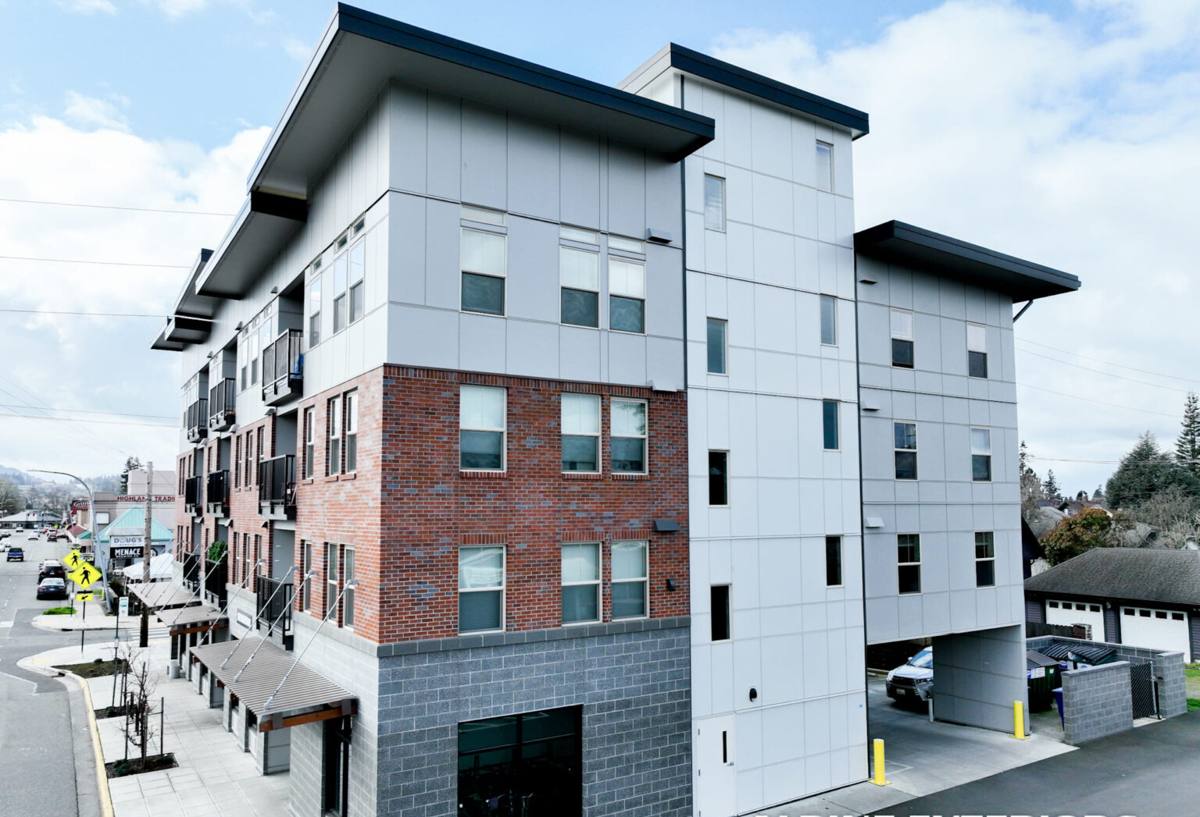
What the Local Climate Asks of a New Build
Whatcom County sits close enough to the Salish Sea that salt-tinged marine air is a normal part of the weather pattern, even well inland from the coast. Combine that with the driving, sideways rain that comes through in fall and winter storms, and a long moss season that keeps north- and west-facing surfaces damp for months at a stretch, and you get conditions that are hard on any building material that isn't installed correctly. Aluminum hardware corrodes faster. Wood trim holds moisture longer. Sealant joints that aren't detailed properly become the first point of failure.
None of this means a new build in Sumas needs exotic materials. It means the basics — proper flashing laps, correctly bedded sills, sealed nailing fins, and window units rated for the exposure they'll actually face — have to be done right the first time, because re-doing them after siding and interior finishes are in place is expensive and disruptive.
What Shows Up First When Details Are Skipped
- Staining or dark streaking below sills where water is tracking instead of shedding
- Soft trim or drywall around openings on the weather-facing walls of the house
- Condensation building up between panes or on interior glass in colder months
- Moss or algae taking hold on sills and trim faster than on the rest of the exterior
- Drafts or whistling around the sash in windy, wet weather
New-Construction Install vs. Replacement: Why the Method Matters
New-construction windows have a nailing flange built into the frame, which gets integrated directly into the wall's water-resistive barrier before siding goes on. This is different from a replacement or "pocket" install, which fits inside an existing opening and relies on the old frame and trim to carry some of the weatherproofing load. On a new build, we're not working around anything — we get to build the water management system correctly from bare sheathing outward, which is the best possible position to be in.
That said, "new construction" also means there's no room to fix a mistake later without tearing back finished work. The flashing sequence has to be right before the water-resistive barrier and siding cover it up. This is why we treat rough opening inspection and flashing as a distinct, unhurried phase of the job rather than something to rush through to get to the visible install.
Choosing a Window Line for a Sumas New Build
There's no single "best" frame material — the right choice depends on the home's design, budget, and how exposed the walls are to wind-driven rain. Here's how the common options compare for new construction in this climate:
| Frame Material | Moisture & Corrosion Behavior | Maintenance | Best Fit |
|---|---|---|---|
| Vinyl | Won't corrode or rot; performs well in wet, salt-influenced air | Low — occasional cleaning | Most new-construction budgets; strong value-to-performance ratio |
| Fiberglass | Very stable in temperature swings and moisture; holds paint well | Low | Larger openings, darker exterior colors, longer-term owners |
| Wood-Clad | Interior wood needs protection from condensation; exterior clad shell handles weather | Moderate — interior finish care | Homes prioritizing a wood interior look with exterior durability |
| Aluminum | Prone to corrosion in salt-influenced, high-humidity air without upgraded finishes | Higher | Specific architectural applications; we advise on trade-offs case by case |
We don't push one brand or material on every job. We'll walk through what each wall's exposure actually looks like — south and west walls that catch the worst of the driving rain get treated differently than a sheltered north elevation — and match the window spec to that reality rather than a one-size-fits-all default.
Our New-Construction Window Process
The process is the same whether we're working with a general contractor's framing crew or directly with an owner-builder, and it follows a consistent order so nothing gets covered up before it's checked:
- Rough opening review. We confirm every opening is square, level, and sized correctly before a single window arrives on site. Framing tolerances get caught here, not after install.
- Sill pan flashing. A sloped, sealed sill pan under each opening gives any water that does get past the window a way out, instead of a place to pool.
- Window setting and shimming. Units are set plumb, level, and square, and shimmed at the manufacturer's specified points so the frame isn't stressed and the sash operates correctly for the life of the window.
- Flange integration with the water-resistive barrier. Flashing tape and the house wrap are lapped in the correct shingle-style order — top last — so water is always directed outward and down, never trapped behind the siding.
- Fastening and sealant. Fasteners go where the manufacturer specifies to keep the warranty intact; sealant is used at the right joints, not as a substitute for proper flashing.
- Final check. Every operable sash gets tested for smooth operation and a tight seal before we call the opening finished.
Flashing Details: Where Most New-Construction Leaks Actually Start
If a new-construction window ever leaks, it's rarely the window unit itself — it's almost always a flashing or sequencing error at the rough opening. The most common mistakes we see (and correct for) on new builds in this region include water-resistive barrier laps installed backwards, sill pans skipped or improvised with sealant alone, and head flashing that doesn't extend far enough past the jambs to actually shed water past the opening. In a climate with as much sustained, wind-driven rain as Whatcom County gets, there's no margin for these shortcuts — water will find any gap given enough seasons of exposure.
This is also where a long moss season matters more than people expect. Moss and algae hold moisture against a surface far longer than open air does, which means any weak point in the flashing system stays wet longer each year than it would in a drier climate. Correct flashing isn't just about the next storm — it's about how the assembly holds up over ten and twenty wet seasons.
Energy Performance and Code Considerations
Washington's energy code sets minimum performance requirements for new-construction glazing, and those requirements factor into the overall building permit approval — this isn't optional trim-level upgrading, it's baseline compliance. We help builders and owners select glass packages and frame specs that meet code without over-spending on performance the home doesn't need. A few things worth confirming before windows are ordered:
- U-factor and Solar Heat Gain Coefficient ratings meet the current Washington energy code requirements for the home's climate zone
- Window schedule matches what's shown on the approved plans — sizes, egress requirements, and tempered glass locations
- Egress windows in bedrooms meet minimum opening size and sill height requirements
- Any coastal or high-wind-exposure walls have units rated for the correct design pressure
- Manufacturer installation instructions are on hand and followed — this is what keeps the warranty valid
Why Hiring a Crew That Already Works Sumas Matters
A crew that regularly works new construction in and around Sumas has already seen how this specific stretch of Whatcom County behaves — where the driving rain hits hardest, which elevations grow moss first, and how quickly salt-influenced air can start working on unprotected hardware. That's not something you can fully substitute with a generic install checklist. It shows up in small decisions: which walls get the more robust flashing detail, which frame material makes sense for a given elevation, and how much lead time to build in around the wet months when flashing work needs dry conditions to install correctly.
It also matters for coordination. New-construction window install has to sync with framing, house wrap, and siding schedules. A crew that's used to working alongside other trades on regional job sites tends to keep that sequence moving without the gaps that lead to exposed openings sitting through a rainstorm.
Getting Started
If you're framing a new home in the Sumas area, or coordinating windows for a client's build, we're glad to walk the plans, review the window schedule, and give you a straightforward, no-pressure estimate for the install. There's a form below — send us your build details and we'll follow up to talk through timing and specs.