 Blaine Window
 Ferndale Roofs Face a Specific Kind of Wear
Ferndale sits close enough to the water and to the open farmland north of Bellingham that its roofs deal with a mix of problems most inland homes never see. Salt-laden air drifts in off the Strait and Georgia Strait weather systems, driving rain comes in sideways during fall and winter storms, and the long, damp shoulder seasons give moss and algae months at a time to get established. None of these things destroy a roof overnight. They work slowly, at the flashing, at the fastener heads, at the shaded north-facing slopes, until a small weak point turns into a leak inside the house.
That's the context that matters for roof repair here. A patch job that would hold up fine in a dry climate can fail within a season or two in Whatcom County if it doesn't account for how water actually moves across a roof in this weather. Repair work done right the first time saves homeowners from repeat visits and interior damage.
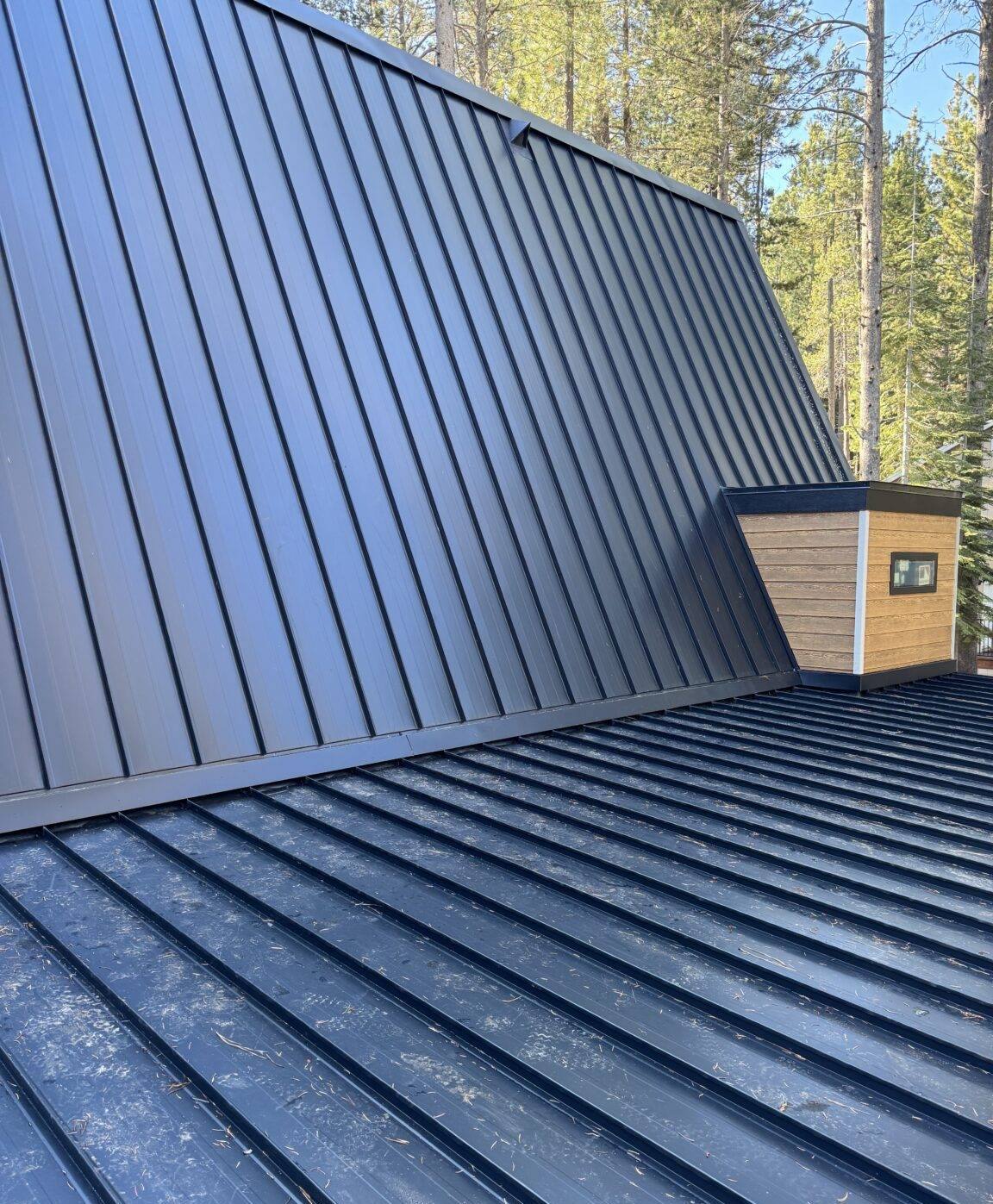
Signs a Ferndale Roof Needs Repair — Not a Full Replacement
Most roofs don't need to be torn off. They need specific, correctly diagnosed repairs. Here's what we typically find when we're called out to a Ferndale home:
- Cracked, curling, or missing shingles concentrated on one slope, usually the side that takes the worst of the wind-driven rain
- Rust streaks or gaps at metal flashing around chimneys, vents, and skylights
- Soft, spongy decking felt underfoot near valleys or roof-to-wall intersections
- Moss buildup thick enough to hold moisture against the shingle mat, especially under tree cover
- Granule loss showing up in gutters, a sign the shingle surface is wearing thin
- Water stains on interior ceilings that only appear during or after heavy rain, not constantly
Any one of these on its own is usually a repair, not a replacement. The distinction matters because a competent contractor should be telling homeowners which one they actually need — not defaulting to the more expensive option.
What a Correct Roof Repair Actually Involves
Diagnosis Before Anything Gets Touched
The first step is finding where water is actually getting in, which is not always where the stain shows up inside. Water can travel along rafters or sheathing for several feet before it drips somewhere visible. A rushed repair that patches the visible spot without tracing the real entry point often leaves the underlying problem in place.
Working Back to Sound Material
A proper repair removes damaged shingles, felt, or decking until the crew reaches material that's actually solid and dry — not just far enough to cover the obvious damage. Nailing new shingles over soft or rotted decking is a shortcut that fails within a year or two.
Flashing Gets the Same Attention as Shingles
Most leaks we trace back to Ferndale's wet climate start at flashing, not the shingle field itself. Step flashing along walls, counter-flashing at chimneys, and pipe boot seals are common failure points because they're the places where two different materials meet and have to move independently as temperatures change. A repair that replaces shingles but reuses old, cracked flashing hasn't fixed the actual problem.
Sealing and Fastening for Wind-Driven Rain
Because storms here often come with strong, sustained wind rather than just straight-down rain, repairs need fastening patterns and sealant placement that account for water being pushed uphill under shingle edges, not just falling straight down. This is a detail that's easy to skip and hard to notice until the next big storm.
Moss, Algae, and the Whatcom County Roof Cycle
Moss isn't just a cosmetic nuisance in this climate — it's a mechanical problem. As it spreads across a shingle surface, it lifts shingle edges slightly, holds water against the mat instead of letting it shed, and works its way into fastener lines. Over a few wet seasons, that constant moisture exposure accelerates granule loss and shingle cracking well ahead of a shingle's expected lifespan.
Algae staining, the dark streaking often seen on north-facing slopes, is mostly a discoloration issue rather than a structural one, but it's a useful indicator: the same conditions that grow algae — shade, moisture, poor airflow — are the conditions that shorten a roof's service life. Repair work in these zones sometimes includes options like zinc or copper strips near the ridge, which let rain carry trace metal downslope and suppress regrowth, as a preventive add-on rather than a repair itself.
We treat moss removal as part of a repair scope where it's contributing to the damage, using low-pressure methods that clear growth without stripping granules the way aggressive pressure washing can. Pressure washing shingles is one of the more common ways homeowners unintentionally shorten a roof's life, so it's worth avoiding even as a DIY fix.
Repair Cost Factors
Every roof repair is priced around its own specifics, but the variables that move the price are consistent. This gives a general sense of what drives cost up or down on a typical repair in this area:
| Factor | Lower Cost | Higher Cost |
|---|---|---|
| Extent of decking damage | Surface-level only, decking intact | Rotted or soft decking requiring replacement |
| Roof pitch and access | Low slope, easy ladder access | Steep pitch, multiple stories, limited access |
| Flashing condition | Flashing reusable | Flashing corroded or improperly installed originally |
| Material match | Common shingle style, easy to match | Discontinued or specialty shingle requiring wider replacement |
| Moss/algae extent | Minor, spot treatment | Heavy growth needing full removal and treatment |
| Timing | Scheduled repair, dry weather window | Emergency tarp-and-repair during active storm damage |
Broadly, small, contained repairs are often a modest expense measured in a few hundred dollars, while repairs involving decking replacement, extensive flashing work, or larger sections of roof climb into the low thousands. Anyone quoting a firm number before actually inspecting the roof in person is skipping a step that matters.
Our Process, Start to Finish
- Inspection: We look at the roof from the ground and, where safe and needed, from the roof surface itself — plus a check of the attic or ceiling area from inside, since interior signs often tell us as much as the exterior.
- Diagnosis and explanation: We walk the homeowner through what we found, what's causing it, and what the actual repair scope is — in plain terms, not a sales pitch.
- Written estimate: A clear scope of work and price before anything is scheduled, so there are no surprises mid-job.
- Repair work: Removal of damaged material back to sound decking, correct flashing detail, proper fastening and sealing for our weather, and matching materials as closely as possible.
- Cleanup and walkthrough: Site cleared of debris and old material, and a final walkthrough so the homeowner can see exactly what was done.
Repair Materials: What We Use and Why
Shingle and flashing choices matter more in a wet, salt-exposed climate than they do in milder ones. Our standard is to match durability and moisture behavior to the specific conditions of the roof section being repaired, rather than defaulting to whatever's cheapest or fastest to source.
| Component | Our Standard Approach | Trade-off We're Managing |
|---|---|---|
| Shingles | Match existing style/weight where possible; upgrade if original was undersized for the exposure | Exact color match isn't always possible on older roofs; we're upfront about that before starting |
| Flashing | Corrosion-resistant metal, properly lapped for water flow direction | Costs more upfront than reusing old flashing, but it's the single most common leak point if skipped |
| Underlayment | Synthetic underlayment in repaired sections for consistent moisture resistance | Slightly more material cost than felt, but performs more consistently under wet-season conditions |
| Sealants | Roofing-grade sealant rated for UV and temperature swings, applied at flashing and fastener points | Requires proper surface prep and dry conditions to bond correctly, which can affect scheduling around weather |
What to Ask Before Hiring Anyone for Roof Repair
Roof repair is one of those trades where a bad job looks fine for a few months before it fails. It's worth being deliberate about who does the work.
- Will you inspect the attic or ceiling from the inside, not just the roof from the outside?
- What specifically is included in the repair scope, in writing?
- Are you replacing or reusing the existing flashing, and why?
- What happens if you find rotted decking once the shingles are pulled back?
- Do you carry liability insurance and worker's comp coverage?
- What's the warranty on the labor, separate from any manufacturer material warranty?
- Have you worked on roofs in this specific area before, and do you understand the moss and salt-air exposure here?
A contractor who answers these plainly, without hedging or vague reassurance, is generally one worth trusting with the job.
Why a Crew That Already Works Ferndale Matters
Roof repair isn't just a generic skill applied the same way everywhere. A crew that regularly works Ferndale and the surrounding Blaine and Whatcom County area has already seen how local weather patterns actually behave on real roofs — which slopes take the worst wind-driven rain, how fast moss reestablishes under the tree cover common in this area, and which flashing details tend to fail first in this specific mix of salt air and sustained moisture. That's knowledge that only comes from doing the work here repeatedly, not from a general contracting background applied to an unfamiliar climate.
It also means faster response when something's urgent. A crew based nearby can get a tarp on a damaged section quickly during a storm, rather than a homeowner waiting on a contractor coming from farther afield while water keeps getting in.
Timing Repairs Around the Season
Roof repair can happen almost any time of year, but some jobs are easier to do right in a dry window than in the middle of a storm cycle. Shingle sealants and adhesives bond better when applied in dry conditions, and flashing work goes more smoothly without active rain complicating the job. That said, active leaks shouldn't wait for ideal weather — a temporary tarp or emergency patch now, followed by a permanent repair once conditions allow, is a normal and sensible sequence rather than a compromise.
If you're noticing a stain on a ceiling, missing shingles after a windy night, or moss that's gotten out of hand, we're glad to come take a look. The estimate is free, there's no pressure to move forward, and you'll get a straight answer about whether it's a repair or something bigger. Use the form below to get started.