 Blaine Window
 Ferndale's Climate Puts Real Demands on Windows
Ferndale sits close enough to the water and the open flats of Whatcom County that homes here take a different kind of weathering than houses further inland. Salt-laden air moves through on a regular basis, driving rain comes in sideways more often than most people expect, and the wet season stretches long enough that moss gets a real foothold on anything that stays damp and shaded. None of that is dramatic on its own, but stacked together over years it's exactly the combination that finds every weak point in a window — a soft spot in the sill, a gap in the flashing, a seal that was never quite right to begin with.
Custom windows done properly for a Ferndale home aren't just about matching a size or a style. They're about choosing materials and details that are actually suited to salt exposure, wind-driven moisture, and months of gray, damp weather in a row. A window that would be perfectly fine in a dry climate can start failing here within a few years if it wasn't specified and installed with this environment in mind.
What "Custom" Actually Means
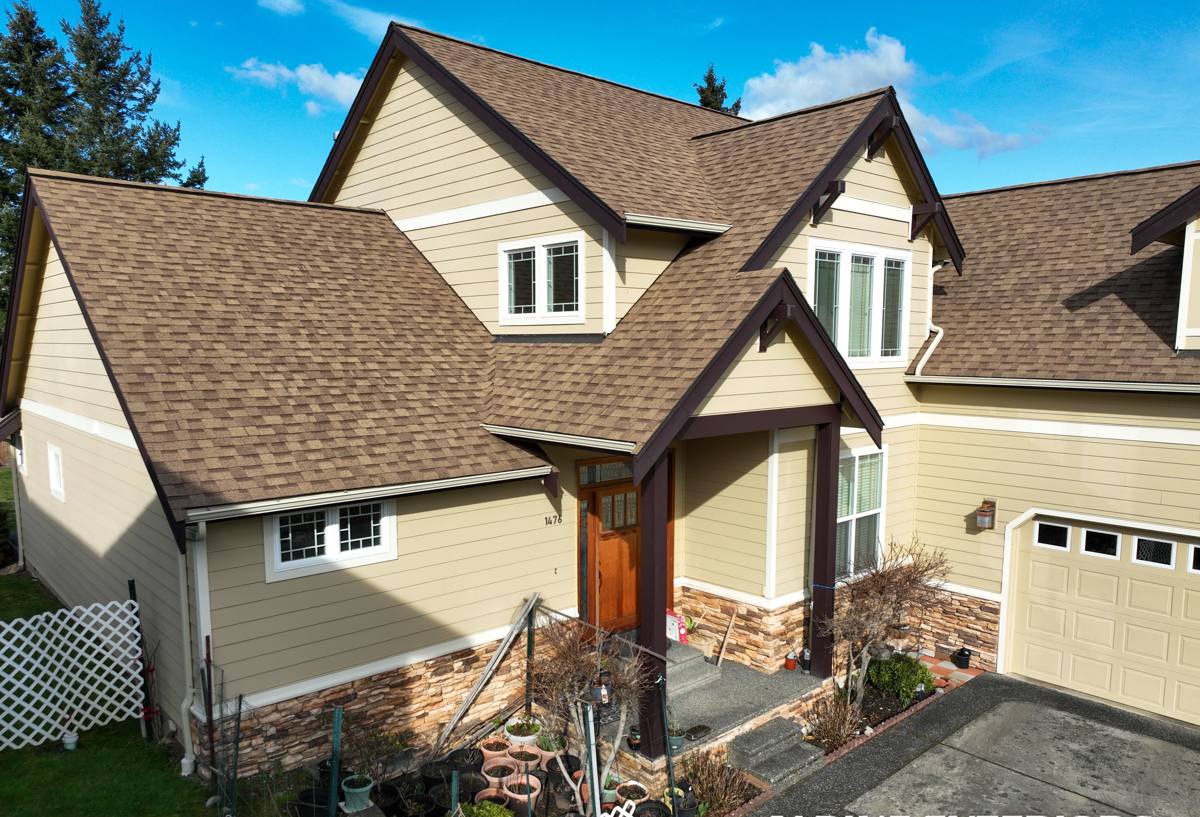
A lot of homeowners hear "custom windows" and assume it just means expensive or fancy. In practice, custom simply means the window is built to fit an opening, style, or performance need that a stock size can't cover. That covers a lot of ground:
- Older Ferndale homes with openings that don't match today's standard window sizes
- Additions or remodels where the rough opening is non-standard by design
- Odd shapes — arched tops, angled bays, oversized picture windows
- Matching a specific grille pattern, frame color, or trim profile to keep a home's look consistent
- Upgrading glass or frame performance beyond what a builder-grade stock window offers
Custom work costs more than grabbing a stock unit off a shelf, and it should — every piece is built or configured for that one opening. The upside is a tighter fit, fewer shims and gap-filling tricks during install, and a window that actually performs the way its specs claim, instead of one that was forced to fit.
Custom Doesn't Mean Overbuilt
We don't push upgrades a house doesn't need. A north-facing utility room window and a south-facing living room window in the same Ferndale home can reasonably call for different glass packages. Part of doing this correctly is being honest about where the money should go and where it shouldn't.
Signs Your Ferndale Home Is Overdue for New Windows
Window failure is usually slow, which is why a lot of homeowners live with a problem for years before addressing it. Watch for these:
- Condensation building up between the panes — a sign the seal has failed and the gas fill is gone
- Soft, discolored, or spongy wood at the sill or lower corners of the frame
- Visible moss or dark streaking on the frame or sill that keeps coming back after cleaning
- Drafts you can feel with a hand near the frame on a windy day
- Windows that are difficult to open, close, or lock — often a sign the frame has shifted or swollen
- Noticeably higher heating bills in the coldest months without a clear other cause
- Visible daylight or gaps around the frame from outside
Any one of these on its own isn't necessarily an emergency. Several of them together, especially paired with moss or moisture staining, usually mean the window and the flashing behind it need attention before the next wet season makes it worse.
Frame Materials That Hold Up Near the Water
Material choice matters more in a marine-influenced climate than it does further inland, because salt air accelerates corrosion and UV combined with constant moisture is harder on some materials than others. There's no single right answer for every home — it depends on budget, style, and how exposed a given wall is.
| Material | Salt Air / Moisture Behavior | Maintenance | Typical Cost Range | Best Fit |
|---|---|---|---|---|
| Vinyl | Doesn't corrode or rot; performs well in salt exposure | Low — occasional cleaning | Lowest of the group | Most Ferndale homes, budget-conscious replacements |
| Fiberglass | Excellent resistance to moisture and salt; very stable | Low | Mid to upper | Larger openings, exposed walls, long-term durability |
| Wood (clad exterior) | Good if the exterior cladding is intact; interior wood still needs protection | Higher — exterior clad is easier, but seals and joints need periodic checks | Higher | Homes where interior wood trim is a priority |
| Aluminum | Prone to corrosion in salt air unless properly coated; conducts cold | Moderate to higher | Mid | Specific architectural needs, less common as our default choice here |
We steer most Ferndale homeowners toward vinyl or fiberglass for general replacement work, simply because they hold up with the least fuss in this air. Wood-clad is a fine choice when someone wants real wood trim on the interior, but it's a maintenance commitment. Aluminum has its place architecturally, but it isn't our default recommendation for this climate unless there's a specific reason for it — the coatings that protect it from salt-air corrosion have to be right, and that's a detail worth scrutinizing if a bid includes aluminum.
What a Correct Installation Actually Involves
The window itself is only part of the job. Most window failures we get called out to inspect trace back to installation details, not the window unit. In a climate with this much driving rain, the flashing and sealing work around the window matters as much as the window's own build quality.
The Non-Negotiables
- Removing the old window and inspecting the rough opening and sheathing for hidden rot before anything new goes in
- Correcting any water damage found in the opening rather than sealing over it
- Installing flashing in the right sequence — sill pan first, then side flashing, then head flashing — so water is always directed outward and down
- Using sealants and tapes rated for the exposure the wall actually gets, not a one-size-fits-all product
- Shimming and leveling the unit so it operates correctly and doesn't rack over time
- Insulating the gap between the frame and the rough opening without over-packing it, which can bow the frame
- Finishing the interior and exterior trim so there's no exposed gap for moisture or pests
Skip the sill pan or get the flashing sequence backward, and water that's supposed to run off the wall instead gets trapped behind the trim — right where you can't see it until the sheathing underneath is already compromised. This is the single most common cause of "the window failed" complaints that actually turn out to be an installation problem, not a product defect.
Our Process, Start to Finish
- On-site assessment. We look at the actual openings, check for existing moisture or rot, and take real measurements rather than working off assumptions.
- Material and product selection. We walk through frame material, glass package, and style options based on that specific wall's exposure and the home's overall look.
- Written estimate. Clear scope, clear pricing, no surprise add-ons once work starts.
- Scheduling around the weather. Window replacement means an open wall for a period of time, so we plan install days with Whatcom County's rain patterns in mind and stage the work to minimize exposure.
- Removal and inspection. Old units come out, and we check the opening before anything new goes in.
- Installation. Flashing, sealing, insulating, and finishing done in the correct order, every time — not shortcuts to save an hour.
- Walkthrough and cleanup. We test operation, check the seals, and leave the site clean.
Living With a Long Moss Season: Upkeep That Actually Matters
Even a well-installed window benefits from a little seasonal attention in a climate this wet. It doesn't take much:
- Rinse frames and sills periodically to clear salt residue and organic buildup before moss gets established
- Keep gutters and downspouts clear so water isn't running down the wall directly above a window
- Check weep holes on vinyl and fiberglass frames to make sure they're not blocked by debris or moss
- Look at caulk lines once a year — UV and constant damp cycling will eventually break them down, and small cracks are cheap to catch early
- Trim back vegetation that's keeping a wall shaded and damp longer than it needs to be
None of this is heavy maintenance. It's the difference between a window system that lasts its full expected life and one that starts showing problems early because moisture had somewhere quiet to sit for months at a time.
Why a Crew That Already Works Ferndale Matters
A lot of window problems in this area aren't about the window brand — they're about whether the person installing it understood what this specific climate does to a wall over time. A crew that works Ferndale and the surrounding Whatcom County area regularly has already seen what happens when flashing is done wrong in a place that gets this much driving rain, and what salt air does to a frame that wasn't suited for it in the first place. That's not something you can fully substitute with a product warranty — a warranty on the glass unit doesn't cover water damage from a bad flashing job.
Local experience also means realistic scheduling. We're not guessing at what "rainy season" means for planning an install with an open wall — we plan around it. And because we're not new to the area, we can speak plainly about what's actually necessary for a given home versus what's an upsell dressed up as a necessity.
Getting Started
If your windows are showing their age, letting in drafts, or just aren't holding up to what this coastal, rainy climate throws at them, we're happy to take a look and give you a straightforward assessment — no pressure, no obligation. Use the form below to request a free estimate, and we'll walk you through what we see and what it would take to get it right.