 Blaine Window
 Windows Built for Everson's Wet, Mossy Winters
Everson sits inland from the coast, but it doesn't escape Whatcom County's defining weather pattern: long stretches of low, driving rain from fall through spring, humidity that never fully lets go, and a moss and mildew season that can run half the year on north-facing walls and shaded siding. Add temperature swings between chilly river-bottom mornings and warmer afternoons, and you get a lot of expansion and contraction working on window frames and seals year after year. Windows here don't fail because of one bad storm. They fail slowly, from repeated exposure, and by the time you notice a problem it's usually been building for a while.
Coastal properties closer to Blaine deal with salt-laden air on top of that, which is harder on exposed metal hardware and finishes. Everson homes are spared the worst of the salt exposure, but they still sit in the same wet, marine-influenced climate, and that's what a window and its installation need to be built for out here.
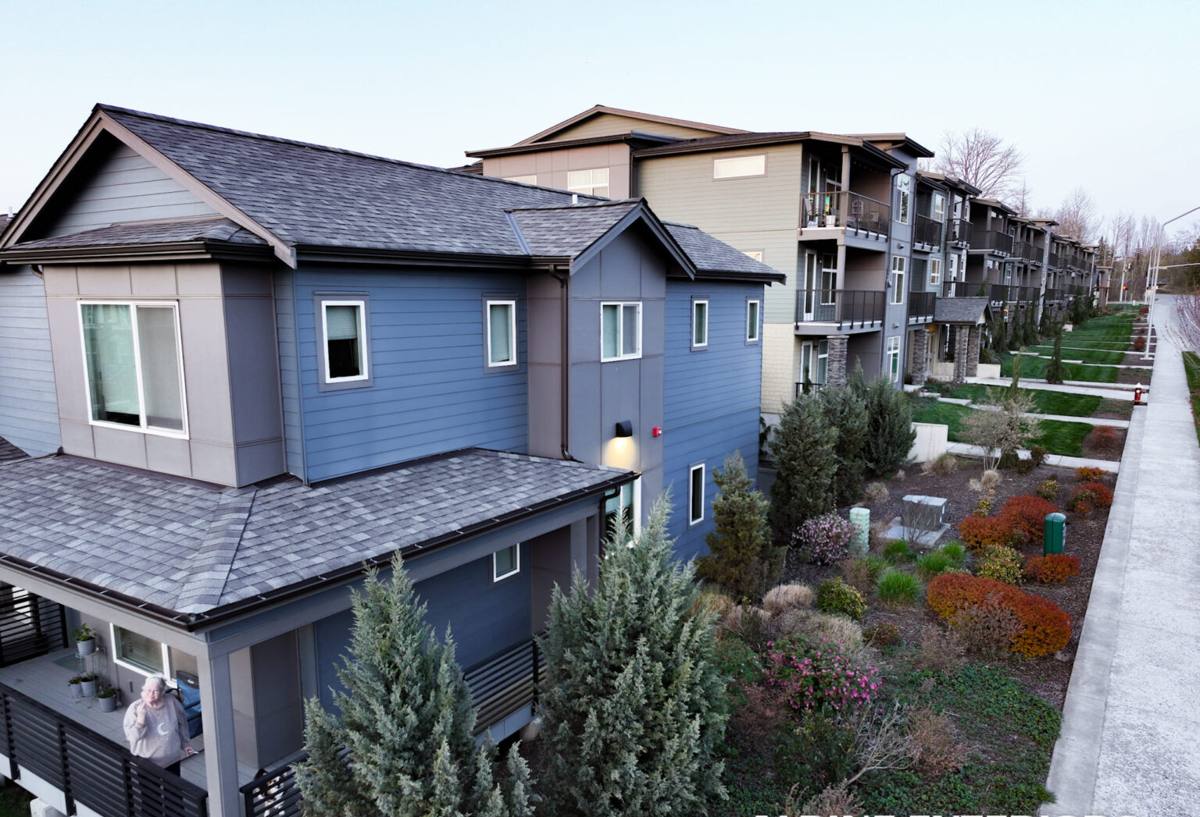
What "Custom" Means for Everson Homes
Older Farmhouses and Additions
A fair number of homes in and around Everson are older farmhouses, remodeled outbuildings, or houses that picked up an addition or two over the decades. Openings in these homes are rarely standard sizes, and wall assemblies can vary from one room to the next depending on when that part of the house was built. "Custom" in this context usually just means the window has to be built to fit the actual opening in front of us, not the other way around.
Non-Standard Shapes and Openings
We also see plenty of arched openings, oversized picture windows meant to take in a view of the fields or the river valley, and odd combinations where a standard window would leave a gap or require reframing the whole wall. Custom sizing lets us match the existing opening, preserve the exterior look of the house, and avoid the extra carpentry cost of resizing rough openings just to fit an off-the-shelf unit.
Signs Your Windows Are Losing the Fight
Most window problems show up gradually. Here's what we typically hear about, and what it usually means:
- Fogging or a permanent haze between the panes — the seal on a double-pane unit has failed and the gas fill is gone
- Visible black or green growth on the frame, especially on the north or west side — moisture is sitting somewhere it shouldn't
- Wood trim or sills that feel soft or spongy when pressed — early rot, usually from water getting behind the trim
- Windows that are hard to open, close, or lock — frames have swelled, warped, or settled out of square
- A noticeable draft near the frame even with the window latched — the weatherstripping or the original installation has failed
- Condensation forming on the inside of the glass in cold weather — can mean poor seals, or sometimes just a ventilation issue worth ruling out first
Any one of these on its own might not mean full replacement. Several together, especially on windows that are original to an older home, usually does.
What a Correct Installation Actually Involves
Flashing and Sill Pans
The window itself is only part of the job. In a climate that gets this much sustained rain, how water is managed around the opening matters as much as the window's own rating. A correctly installed window has a sloped sill pan and properly lapped flashing tied into the house wrap or building paper, so any water that does get past the exterior cladding drains back out instead of pooling at the sill or working its way into the wall framing. Skipping or rushing this step is one of the most common causes of hidden rot behind a window that otherwise looks fine.
Air Sealing, Not Just Caulk
A bead of exterior caulk around the trim is not the same as proper air sealing. Low-expansion foam or backer rod and sealant between the window frame and the rough opening closes the gap that caulk alone can't reach, and it's what actually stops the drafts and cold spots homeowners notice near their windows in the winter. This part of the job is invisible once the trim goes back on, which is exactly why it's worth asking a contractor how they handle it before they start.
Choosing a Frame Material for This Climate
There's no single "best" window material — it depends on the house, the budget, and how much upkeep you want to take on. Here's how the common options compare for a wet, moss-prone climate like Whatcom County's:
| Frame Material | Moisture Behavior | Maintenance | Typical Cost Tier |
|---|---|---|---|
| Vinyl | Doesn't rot or corrode; welded corners resist water intrusion well | Low — occasional cleaning | Lower |
| Fiberglass | Very stable in wet/dry cycling; won't warp or swell | Low — paintable if you want a color change later | Mid to higher |
| Wood-clad | Good insulator, but the cladding's seams and end cuts need attention or moisture can reach the wood core | Higher — periodic inspection and sealing at joints | Higher |
| Aluminum | Durable but conducts cold and can condense in our winters unless thermally broken | Low, but condensation issues need managing | Varies |
We install and recommend based on what the specific house and opening call for. If a product has a maintenance or moisture behavior that doesn't suit a given application, we'll say so plainly and explain the trade-off rather than push whatever's easiest to sell.
What Drives the Cost
Custom window pricing depends on more than the window unit itself. The main factors we walk through with homeowners are:
- Opening size and shape — arched, oversized, or non-rectangular openings cost more to build for and install
- Frame material — vinyl is generally the most budget-friendly, wood-clad and specialty fiberglass run higher
- Glass package — double vs. triple pane, and any upgraded Low-E or gas-fill options
- Condition behind the existing window — if we find rot or damage once the old unit is out, that adds repair work before the new one goes in
- Number of windows done at once — bundling a whole elevation or the whole house typically brings a better per-window cost than doing one at a time
For a straightforward standard-size replacement, homeowners are usually looking at a few hundred to a bit over a thousand dollars per window installed, depending on material and glass package. Large custom shapes, oversized picture windows, or wood-clad units can run well beyond that. We won't know your real number until we've measured the actual openings and seen what's behind the existing trim, which is why we always start with an in-person estimate.
Our Process, Start to Finish
- On-site visit to measure openings, check for hidden moisture or framing issues, and talk through material and glass options
- A written estimate that breaks out the windows, installation, and any trim or repair work separately
- Ordering and lead-time confirmation — custom sizes and specialty shapes take longer to build than stock sizes
- Removal of the old windows and inspection of the opening before the new unit goes in
- Installation with proper sill pan, flashing, and air sealing, followed by exterior and interior trim work
- Final walk-through to check operation, locks, and seals before we consider the job done
Why a Crew That Already Works Everson Matters
A window crew that's already familiar with this part of Whatcom County isn't guessing at what your house is dealing with. We know that older Everson-area homes tend to have non-standard openings, that framing behind original windows can hide decades of slow moisture damage, and that ordering custom sizes needs to be planned around lead times so a house isn't sitting open to the weather longer than necessary. Working this area regularly also means we're not adding a long, unpredictable drive to every job — that keeps scheduling realistic and callbacks quick if you ever need us back for an adjustment.
A Quick Maintenance Checklist
Whatever material you choose, a little seasonal attention goes a long way in this climate:
- Clear debris and moss from sills, tracks, and weep holes at least twice a year
- Check exterior caulk lines and trim for cracking or gaps before the rainy season sets in
- Operate every window at least once each season so hardware doesn't seize up from disuse
- Wipe down and dry sills after heavy, wind-driven rain events
- Watch for soft trim or discoloration on interior sills, which can be an early sign of a seal or flashing issue
If your Everson home is due for new windows, or you're just not sure whether what you're seeing is normal wear or something worth addressing now, we're happy to take a look. Fill out the form below for a free, no-pressure estimate — no obligation, just an honest read on your windows and what they'd need.