 Blaine Window
 Blaine Harbor Sits at the Edge of Some Tough Siding Conditions
Homes near Blaine Harbor take a different kind of beating than houses even a few miles inland. Salt-laden air moves off the water and settles on every exterior surface, wind-driven rain finds its way into seams and laps that would stay dry elsewhere, and the long gray stretch of fall and winter keeps siding wet and shaded for weeks at a time. That combination is exactly what breaks down the wrong siding material faster than a homeowner expects.
We install James Hardie fiber cement siding exclusively, and Blaine Harbor is one of the clearer examples of why. This is a page about that one product, in this one part of Whatcom County, and what it actually takes to get it right here.
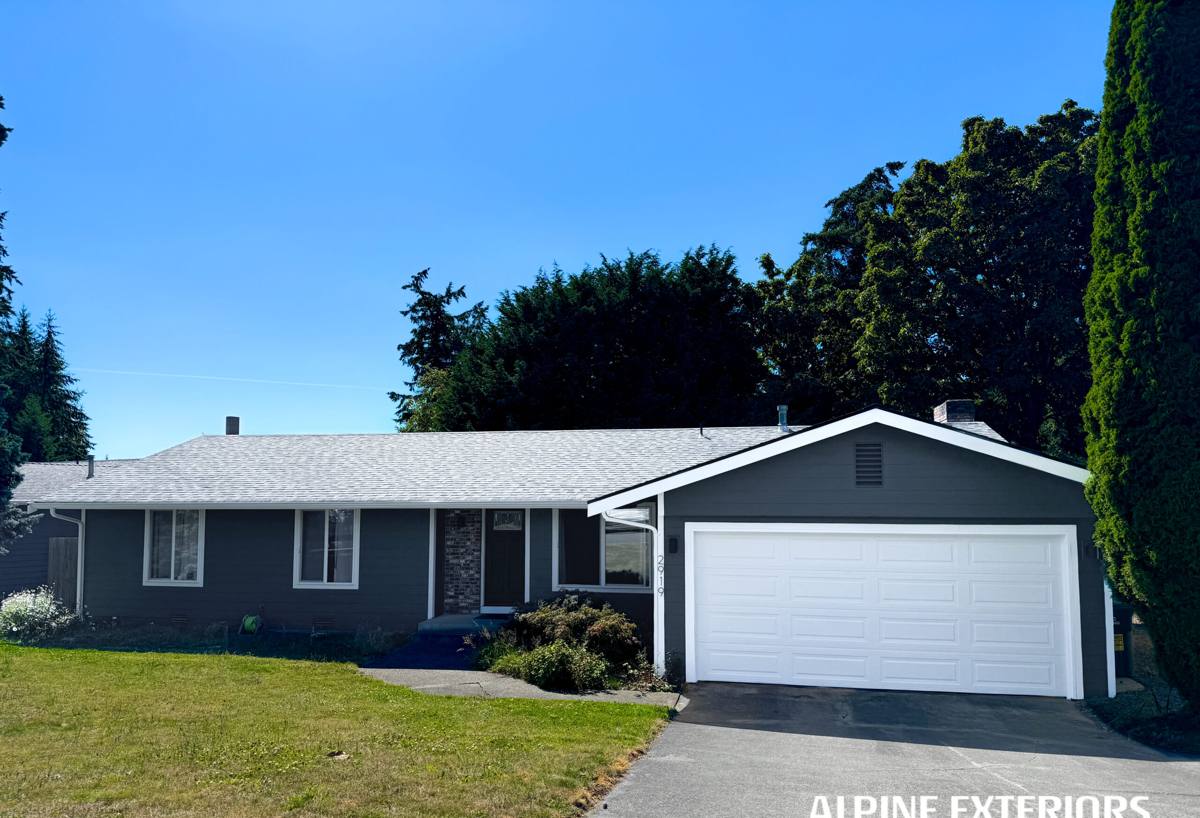
What Salt Air, Rain, and Moss Actually Do to a House
Each of these three factors attacks siding in a different way, and a good installation has to answer all three at once.
Salt Air
Airborne salt is corrosive to metal fasteners and trim, and it's abrasive to painted surfaces over time. Materials with a weak factory finish chalk, fade, and lose adhesion faster in a salt-air environment than they would a few miles inland.
Driving Rain
Wind off the water doesn't just fall as rain, it pushes rain sideways into siding laps, corner boards, and anywhere flashing is missing or undersized. Water that gets behind siding and can't dry out is the root cause of almost every rot and mold problem we see.
Moss Season
Western Washington's damp season runs long, and north- and west-facing walls near the harbor often stay shaded and wet well into spring. Moss and algae take hold on surfaces that hold moisture, and once established they hold even more water against the wall behind them.
Why Fiber Cement Holds Up Where Other Materials Struggle
Wood siding is organic material in a wet, salty environment — it's a losing combination without constant upkeep. Vinyl siding expands and contracts with temperature swings, and its seams and joints are a weak point for wind-driven rain to exploit; it also isn't built to be repainted when its factory color fades. Primed wood products and some engineered wood sidings need to stay perfectly sealed at every cut and edge or moisture gets in fast.
James Hardie fiber cement is cement-based, not wood-based, so it doesn't feed rot or absorb water the way wood products do. It's also dimensionally stable across temperature and humidity swings, which matters on a coastline where conditions change quickly. That's the core reason we standardized on it rather than offering multiple siding lines.
The James Hardie Products That Make Sense for This Location
James Hardie makes climate-specific product lines, and for a harbor-adjacent home we lean toward the versions engineered for wetter, harsher exposure.
- HardiePlank lap siding, HZ5 climate configuration — engineered for the wetter, more moisture-exposed climate zones on the west side of Washington, as opposed to the HZ10 version built for hot, dry regions.
- ColorPlus factory finish — baked-on color with better fade and adhesion performance than field-applied paint, which matters when salt air is working against the finish year-round.
- HardieTrim boards — for corners, window and door trim, and fascia, so the whole exterior envelope is one consistent, non-combustible material system rather than fiber cement siding paired with a different trim product.
We size and specify the product line based on the wall's actual exposure — a south-facing wall that gets sun and wind is a different problem than a shaded north wall that stays damp, even on the same house.
What a Correct Installation Involves Near the Water
The material only performs as well as the installation behind it. This is where most siding problems actually start, regardless of what product is on the wall.
Drainage Plane and Rainscreen Gap
A proper water-resistive barrier goes on the wall sheathing first, and in high-exposure spots we build in a rainscreen gap so any moisture that does get past the siding can drain and the wall can dry out instead of trapping water against it.
Flashing at Every Penetration
Windows, doors, hose bibs, light fixtures, and roof-to-wall intersections all need proper flashing and integration with the water-resistive barrier. This is the single most common place we find corners cut on older installations, and it's usually where the leaks start.
Fasteners and Clearances
Corrosion-resistant fasteners matter more here than inland, given the salt air. James Hardie also specifies minimum clearances from grade, roof lines, and decks — get those wrong and you're inviting moisture wicking into the bottom of the siding regardless of what the material is.
Caulking, Sparingly and Correctly
Manufacturer specs call for factory-primed cut edges to be sealed and for specific joints to be caulked — but over-caulking every seam actually traps water in some assemblies. Following the manufacturer's actual detail, not a generic "seal everything" approach, is part of doing this correctly.
Signs Your Current Siding Is Already Losing This Fight
If your home is near the harbor and has aging wood, vinyl, or older fiber cement siding, a few warning signs are worth walking around the house to check for:
- Moss or dark green streaking that keeps coming back after cleaning, especially on shaded walls
- Soft, spongy, or discolored siding near the bottom courses or below windows
- Paint that's peeling, bubbling, or chalking heavily compared to a few years ago
- Visible gaps or warping at seams, corners, or where siding meets trim
- Interior signs like musty odor, peeling interior paint, or soft drywall near exterior walls
Any one of these is worth a closer look before it turns into sheathing or framing repair, which costs far more than siding alone.
How We Handle a Blaine Harbor Siding Project
Assessment
We walk the exterior, check the current siding and any visible water damage, and look at how each elevation is exposed to sun, wind, and rain. That exposure difference is why we don't treat every wall of a house the same.
Prep and Water Management
Removal of the old siding, repair of any damaged sheathing found underneath, and installation of the water-resistive barrier and rainscreen detail come before a single piece of new siding goes up. This step gets skipped more often than homeowners realize, and it's the one that matters most long-term.
Installation
Hardie panels, trim, and flashing go in to manufacturer spec, with fastening and clearances set for the coastal exposure this location gets.
Finish and Walkthrough
We finish with a full walkthrough so you know what was done, what to expect from the ColorPlus finish over time, and what (if anything) needs periodic attention.
Cost Factors for a Harbor-Area Hardie Project
| Factor | Why It Matters Here |
|---|---|
| Wall exposure (sun/wind/shade) | South and west walls near open water may need different detailing than sheltered or shaded walls |
| Condition of existing sheathing | Water damage found during tear-off adds repair scope before new siding can go on |
| Trim and corner complexity | More corners, windows, and rooflines mean more flashing and cut work |
| Product line selection | HZ5 panels and ColorPlus finish options vary from base pricing |
| Access and site conditions | Waterfront lots, slopes, and limited staging area can affect labor time |
We give a firm number after seeing the house in person — broad estimates from a form alone aren't reliable once actual wall conditions are factored in.
Maintenance Once the New Siding Is Up
James Hardie siding is genuinely low-maintenance compared to wood, but "low-maintenance" doesn't mean zero-maintenance in a salt air environment. A rinse-down once or twice a year to clear salt residue and any moss growth, a periodic look at caulked joints, and prompt attention if anything physically damages a panel (a ladder, a falling branch) will keep the system performing the way it's designed to for decades. The ColorPlus finish is built to go a long time without repainting, but it's still worth a visual check each year, especially on the shaded sides of the house.
Why a Crew That Already Works This Area Matters
Siding detailing that's correct in a dry inland climate can be inadequate a few miles from the water. A crew that already works Blaine Harbor and the surrounding Whatcom County coastline knows which walls need extra flashing attention, which product line configuration fits the exposure, and what actually fails first in this environment — because they've seen it. That's a different starting point than a general contractor pricing a siding job the same way regardless of where the house sits.
If you'd like a firm look at your home's exposure and a straight answer on what a correct James Hardie installation would involve, request a free estimate below — no pressure, no obligation.