 Blaine Window
 Roofing in Bellingham Is Its Own Category of Work
A roof in Bellingham doesn't age the way a roof in a dry inland climate does. Between the salt-laden air coming off Bellingham Bay and the Strait of Georgia, the near-constant driving rain off the water, and a moss season that can run most of the year in shaded, north-facing areas, the materials, flashing details, and ventilation choices that work fine elsewhere can fail early here. We work this area regularly, and a Bellingham roof replacement gets planned around those three factors from the first estimate, not treated as an afterthought once the tear-off starts.
This page is specifically about full roof replacement for Bellingham homes — not a general roofing overview. If you're trying to figure out whether your roof needs replacing at all, what a properly done job actually includes here, and why local experience matters more than it might seem, this is written for that.
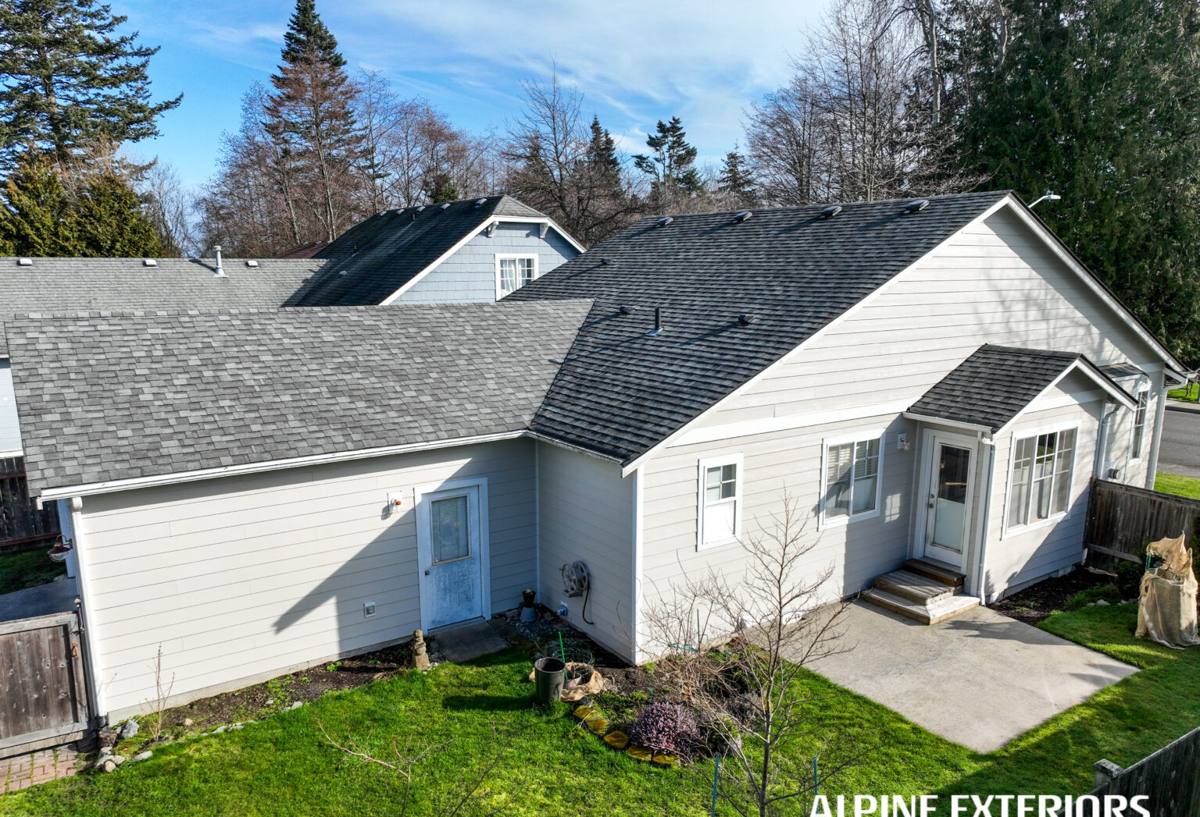
What Salt Air, Rain, and Moss Actually Do to a Roof
Each of these stresses attacks a roof differently, and understanding the mechanism helps explain why the fix matters:
Salt Air
Airborne salt accelerates corrosion on any exposed metal — fasteners, flashing, vent caps, gutter hardware. On a standard asphalt roof this shows up first at the metal details long before the shingle field itself is worn out. Untreated or lower-grade fasteners and flashing corrode, lose their seal, and become the entry point for water.
Driving Rain
Wind-driven rain off the water doesn't just fall straight down — it gets pushed sideways and upward under laps, at ridge caps, around penetrations, and along wall-to-roof transitions. A roof system that only handles vertical rainfall well will still leak here. Underlayment quality and flashing detail matter more in Bellingham than in a calmer inland climate.
Moss
Moisture, shade, and mild temperatures are exactly what moss wants, and Whatcom County offers all three for a long stretch of the year. Moss holds water against the roof surface, lifts shingle edges as it grows, and works its way under flashing over time. A roof that looks fine from the ground can already have moss doing damage underneath.
Signs a Bellingham Roof Has Reached Replacement, Not Repair
Not every issue means a full replacement. Repairs make sense for isolated damage on an otherwise sound roof. Replacement is the right call when the problems are systemic rather than local. Common indicators we look for:
- Granule loss heavy enough that you can see it collecting in gutters or downspouts
- Shingles that are cupping, curling, or cracking across large sections, not just one spot
- Soft spots or sagging when walking the roof, which usually points to deck damage underneath
- Recurring leaks in different locations after repairs, rather than the same spot reopening
- Moss or algae staining that returns quickly after cleaning, suggesting the mat underneath is already saturated
- Flashing that's rusted, lifted, or was never properly stepped at wall and chimney transitions
- A roof approaching or past the manufacturer's expected service life for our climate, which typically runs shorter here than the label suggests
If you're only seeing one or two of these in a limited area, a repair may still be the honest answer. We'll tell you that if it's true — a replacement isn't the right recommendation just because it's on the table.
What a Correct Roof Replacement Involves Here
A roof replacement is more than swapping old shingles for new ones. In a climate like Bellingham's, the parts underneath the visible surface do most of the work of keeping water out. A properly done tear-off and reinstall includes:
Full Tear-Off and Deck Inspection
We remove the existing roofing down to the deck rather than layering over it. That's the only way to actually see the plywood or plank decking underneath and confirm it's dry and sound. Any water-damaged or delaminated decking gets replaced before anything new goes down — covering over a compromised deck just hides the problem.
Underlayment Suited to the Climate
Given how much wind-driven rain this area sees, we don't treat underlayment as a formality. Synthetic underlayment and ice-and-water shield at vulnerable areas — eaves, valleys, penetrations — give the roof a real second line of defense if wind ever pushes water past the shingle laps.
Flashing Done Properly, Not Just Reused
Flashing around chimneys, skylights, walls, and valleys is where most roof leaks actually start, and it's also where corner-cutting is easiest to hide. We install new step flashing and counter-flashing rather than reusing old, corroded pieces, and we use corrosion-resistant materials given the salt air exposure.
Ventilation That Matches the Home
Proper intake and exhaust ventilation keeps the attic dry and temperature-balanced, which matters for both the roof deck's longevity and moisture control inside the home. We check existing ventilation as part of the replacement rather than assuming what's there is adequate.
Fasteners and Hardware Rated for Coastal Exposure
Because of the corrosion risk from salt air, we use fasteners and exposed metal components rated for coastal or corrosive environments rather than standard-grade hardware that can start rusting within a few years here.
Material Options for Whatcom County Homes
There's no single "best" roofing material for every home — it depends on the roof's pitch, the home's exposure to wind and shade, and your budget. Here's how the common options stack up specifically against Bellingham's conditions:
| Material | Moss/Moisture Behavior | Coastal Wind & Rain Performance | Typical Lifespan Here |
|---|---|---|---|
| Standard 3-tab asphalt shingle | More vulnerable to moss holding moisture at the tab edges | Adequate; lower wind rating than architectural options | Shorter end of the range in this climate |
| Architectural (laminate) asphalt shingle | Better shedding profile, moss-resistant algae-shield versions available | Higher wind rating, better lap performance in driving rain | Mid-to-long range with proper install |
| Standing seam metal | Very poor moss adhesion surface; sheds moisture well | Excellent in wind and driving rain when properly flashed | Long, but higher upfront cost |
| Synthetic/composite shake or slate | Good moss resistance, doesn't absorb moisture like wood | Good, depends heavily on installation quality | Long, mid-to-high cost |
We're honest about trade-offs rather than pushing whatever's easiest to install. Architectural shingle with an algae-resistant granule is the most common recommendation we make for Bellingham homes because it balances upfront cost against real moss and wind performance. Metal or composite options make more sense on homes with heavy shade, low slopes prone to moss buildup, or owners planning to stay long enough that the higher upfront cost pays off in lower maintenance.
Our Process, Start to Finish
- Roof assessment: We walk the roof (weather permitting) and inspect the attic from inside, checking deck condition, ventilation, flashing points, and moss/moisture damage.
- Written estimate: You get a clear breakdown of material options, scope of work, and cost — no vague allowances that turn into surprise add-ons later.
- Scheduling around weather: Given how much rain this area gets, we plan tear-off days around forecast windows and protect the home if weather turns mid-job.
- Tear-off and deck repair: Old roofing comes off, decking is inspected and repaired as needed, and you're shown any damage found before we cover it back up.
- Underlayment, flashing, and new roofing installation: Installed per manufacturer specification, with extra attention at the vulnerable points we outlined above.
- Cleanup and final walkthrough: Full jobsite cleanup including magnetic sweep for nails, and a walkthrough so you understand what was done and what maintenance, if any, to expect going forward.
Moss Prevention Doesn't End When the New Roof Goes On
Even the most moss-resistant materials benefit from basic upkeep in a climate like this one. A few habits extend the life of any new roof in Bellingham:
- Keep overhanging branches trimmed back to reduce shade and debris buildup on the roof surface
- Clear gutters and valleys of needles and leaf debris at least twice a year, since trapped debris holds moisture against the roof
- Have the roof visually checked after major windstorms, which are common off the water in this area
- Avoid pressure washing shingles — it strips granules and shortens the roof's life; soft-washing or gentle rinsing is safer if cleaning is needed
- Watch north-facing and heavily shaded slopes first, since they'll show moss growth before sunnier sections do
Why a Local Bellingham-Area Crew Matters
Roofing crews that don't regularly work this part of Whatcom County can miss things that are obvious to anyone who does — which slopes on a given street orientation catch the worst wind-driven rain, how fast moss comes back on a shaded north face near the water, or which fastener and flashing grades hold up against salt air instead of corroding within a few seasons. We work Bellingham and the surrounding Blaine area regularly, so those aren't judgment calls we're making for the first time on your roof. It also means we're a known, findable business if you ever have a warranty question or a storm-related concern after the job is done, rather than a crew that worked the area once and moved on.
Questions to Ask Before You Hire a Roofer Here
Whether you go with us or someone else, these are worth confirming before signing anything:
- Are they licensed and insured to do roofing work in Washington, and can they show proof?
- Does the estimate specify underlayment type and flashing approach, or just "materials as needed"?
- Do they inspect and address attic ventilation as part of the job, or only the visible roof surface?
- What's the manufacturer's warranty, and is it a full material warranty or a prorated one?
- What's their workmanship warranty, separate from the material warranty, and what does it actually cover?
- Have they worked in this specific area before, and can they speak to local moss or wind exposure issues on your roof's orientation?
If your roof in Bellingham is showing wear, or you just want an honest read on whether it's a repair or a replacement, we're happy to take a look. Estimates are free, there's no pressure to commit on the spot, and you'll get a straight answer either way — use the form below to get started.