 Blaine Window
 Why Custer's Weather Is Hard on Siding
Custer sits inland just enough from the water to feel like it should be sheltered, but it isn't. Weather moving off the Strait of Georgia and Semiahmoo Bay still reaches this part of Whatcom County with plenty of force, and the mix of open farmland and tree-lined properties around Custer creates its own set of problems for exterior siding. Homes here deal with three things at once: salt-tinged marine air working into seams and fasteners, driving rain that hits walls sideways during winter storms, and long stretches of shade and dampness that turn north-facing and tree-covered walls into moss farms for much of the year.
None of that is unusual for Whatcom County. What matters is whether the siding on a given home was actually designed and installed to handle it. A lot of siding failure we see in this area isn't because the product was bad — it's because the product wasn't suited to this climate, or it was installed without the details that keep water and moisture out over the long run.
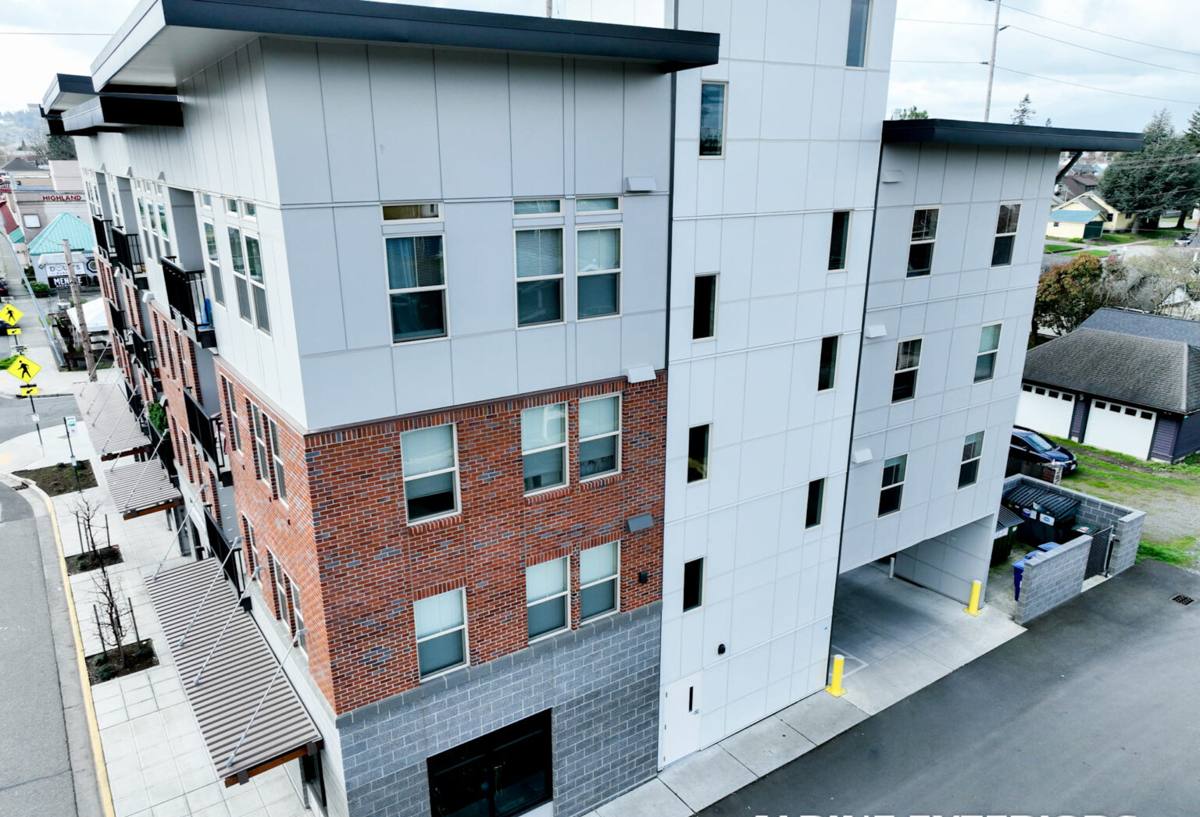
What Custer Homes Actually Need From Their Siding
Before talking about products or process, it helps to be specific about what a siding system in Custer is actually being asked to do:
- Resist swelling, cupping, or rot from months of damp, low-sun conditions on shaded walls
- Hold paint and factory finish without excessive fading or chalking from UV and salt exposure
- Shed wind-driven rain at seams, corners, and penetrations rather than absorbing it
- Resist moss and algae growth on north and east elevations without constant power-washing
- Stay dimensionally stable through the area's swing between soggy winters and drier summers
- Survive close contact with landscaping, sprinklers, and mature trees common on Custer lots
A siding job that checks these boxes will look good and perform well for decades. A job that skips any of them tends to show problems within five to ten years — peeling paint, soft spots at the bottom courses, black streaking on shaded walls, or nail heads bleeding rust through the finish.
Why We Install Only James Hardie Fiber Cement
We made a deliberate decision to install one siding system — James Hardie fiber cement — and not offer vinyl, LP SmartSide, cedar, or other fiber cement brands. That's not a marketing position; it's a practical one built around what actually holds up in this part of Washington.
Fiber cement is non-combustible, doesn't swell or rot the way wood-based products can when they take on moisture, and holds a factory-applied finish far longer than field-painted materials. James Hardie specifically engineers its HZ5 product line for the Pacific Northwest's wet, mixed-humidity climate, and backs it with a long transferable warranty on both the substrate and the ColorPlus finish. For a property like a Custer home that's going to sit under tree cover, take on salt-laden wind, and see rain for a good chunk of the year, that combination matters more than upfront cost differences between products.
We're not going to tell you vinyl or engineered wood siding are bad products across the board — they have real advantages, including lower material cost. But we've seen enough of how they perform specifically in this climate that we no longer install them, and we'd rather be upfront about that than sell something we don't fully stand behind.
Material Comparison for This Climate
| Material | Moisture Behavior in Wet, Shaded Areas | Salt Air Durability | Finish Longevity |
|---|---|---|---|
| James Hardie fiber cement | Does not swell, rot, or absorb water like wood-based products | Non-combustible, dimensionally stable in coastal air | Factory ColorPlus finish, long warranty on finish and substrate |
| Vinyl siding | Doesn't rot, but can warp or bow under sun/heat cycling and trap moisture behind it if not detailed correctly | Holds up reasonably, but color can fade unevenly over time | Color is baked in but fades; can't be refinished without full replacement |
| LP SmartSide / engineered wood | Treated to resist moisture, but edge-swelling and water intrusion at cut ends and seams is a known failure point | Performs adequately if sealed and maintained closely | Field or factory finish, needs more diligent caulk and paint upkeep |
| Cedar / primed spruce | Absorbs moisture readily; prone to cupping, splitting, and rot in shaded, damp conditions without rigorous upkeep | Requires frequent refinishing near salt air | Needs repainting or restaining on a regular cycle |
What a Correct Siding Installation Actually Involves
Tear-Off and Wall Inspection
Before any new siding goes up, the old siding comes off and the sheathing underneath gets inspected. This is the step that gets skipped when a job is rushed, and it's the most important one in a climate like Custer's. Hidden rot, soft sheathing, or old moisture damage behind existing siding has to be found and repaired before anything new goes on top of it — otherwise you're just covering up a problem.
Weather-Resistive Barrier and Flashing
A correctly installed weather-resistive barrier (house wrap) goes on the sheathing, with all seams properly lapped and taped. Flashing gets installed at every window, door, and roofline intersection, and around any penetration — vents, hose bibs, light fixtures — so that water is directed out and away from the wall assembly rather than into it. This is where driving rain either stays outside the wall or finds its way in, and it's the step that separates a durable install from one that fails early.
Rainscreen Gap
For a climate that sees as much sustained damp weather as Whatcom County, a ventilated rainscreen gap between the weather barrier and the siding gives any moisture that does get past the outer layer a path to drain and dry out instead of sitting against the wall. This detail matters more in shaded, tree-covered settings like much of Custer, where walls simply don't get the sun exposure to dry out quickly on their own.
Fastening and Clearances
James Hardie siding has specific fastening requirements — nail placement, spacing, and depth all affect how the panels perform over time. Siding also needs proper clearance from grade, roof lines, decks, and patios so it isn't sitting in standing water or splash-back. We follow Hardie's published installation specifications because that's what keeps the manufacturer's warranty valid and what actually keeps the wall assembly dry.
Caulking, Trim, and Finish Details
Joints, corners, and trim get sealed with the right sealants, not general-purpose caulk that breaks down in a few seasons. Butt joints are spaced and sealed to shed water rather than collect it, and cut edges of factory-finished panels are treated so the exposed fiber cement isn't left absorbing moisture.
Our Process, Start to Finish
- On-site assessment — we walk the property, look at current siding condition, wall exposure (sun, shade, wind direction), and any moisture or rot concerns specific to the home.
- Written estimate — a clear scope covering tear-off, repairs if needed, materials, and installation, so there are no surprises once work starts.
- Material selection — choosing the right Hardie product line and profile (lap, panel, or shingle-style) and ColorPlus finish for the home.
- Tear-off and sheathing repair — removing old siding and addressing any damage found underneath before moving forward.
- Weather barrier, flashing, and rainscreen installation — the moisture-management layer that does the real work over the life of the siding.
- Siding installation — installed to James Hardie's fastening and clearance specifications.
- Trim, caulking, and final finish work — sealing and detailing every joint, corner, and penetration.
- Walkthrough and cleanup — reviewing the finished work with the homeowner and clearing the site of debris and old material.
Cost Factors to Expect
Every home is different, and we won't quote a number without seeing the property, but the main factors that move the price on a Custer siding job are consistent:
- Total square footage of wall area and the home's overall complexity (corners, gables, dormers)
- Condition of the existing sheathing — hidden rot or water damage adds repair time before new siding can go on
- Siding profile chosen (lap, panel, or shingle-style) and trim detailing
- Height and accessibility of the walls, including second-story and steep-roof areas
- Whether existing siding needs full tear-off versus install over a properly prepared surface
Because fiber cement is a long-term investment — often 30-plus years with proper installation and basic upkeep — it's worth weighing against the shorter replacement cycles common with lower-cost materials in this climate.
Moss, Mildew, and Long-Term Maintenance
Moss season is a real thing in this part of Whatcom County, and it's not just cosmetic — sustained moss and algae growth on siding holds moisture against the wall longer than it should sit there. James Hardie's factory finish resists this better than bare wood or field-applied paint, but no siding is completely maintenance-free. A yearly rinse-down of shaded and north-facing walls, keeping gutters clear so water isn't sheeting down the siding, and trimming back vegetation that keeps walls damp will go a long way toward keeping a Custer home's siding looking and performing the way it should.
Why It Matters That We Already Work in Custer
A crew that's worked on homes throughout Blaine and the surrounding Whatcom County communities knows what Custer's mix of open exposure and tree cover actually does to a wall over time — which elevations need extra attention to moisture management, how local moss and algae patterns behave, and what wind-driven rain does at flashing details during winter storms off the Strait. That local experience shows up in the details: where the rainscreen gap matters most, which corners need extra flashing attention, and how to sequence a job around this area's weather windows. It's the difference between a siding job that looks right on installation day and one that's still performing correctly ten winters from now.
Get a Free, No-Pressure Estimate
If your Custer home's siding is showing its age — or you just want an honest read on its current condition — we're happy to take a look. Use the form below to request a free estimate, and we'll walk the property, answer your questions, and give you a straight assessment of what your home actually needs.