 Blaine Window
 Roof Repair Built for the Nooksack Area's Weather, Not Just Any Roof
Homes around Nooksack sit in a part of Whatcom County that takes a specific kind of beating year-round. It's not one dramatic storm that wrecks a roof out here — it's the slow grind of a long wet season, moss that never really stops growing, and wind-driven rain that finds every weak seam a roof has. When we get a call for roof repair in this area, we're not showing up with a generic patch kit. We're showing up knowing what this climate does to shingles, flashing, and decking over time, because we've worked on roofs throughout this corner of the county for years.
This page is about one thing: roof repair for homes in and around Nooksack. Not a full re-roof pitch, not a general overview of every service we offer — just what actually goes wrong with roofs out here, what a correct repair looks like, and how we handle the job from first look to final cleanup.
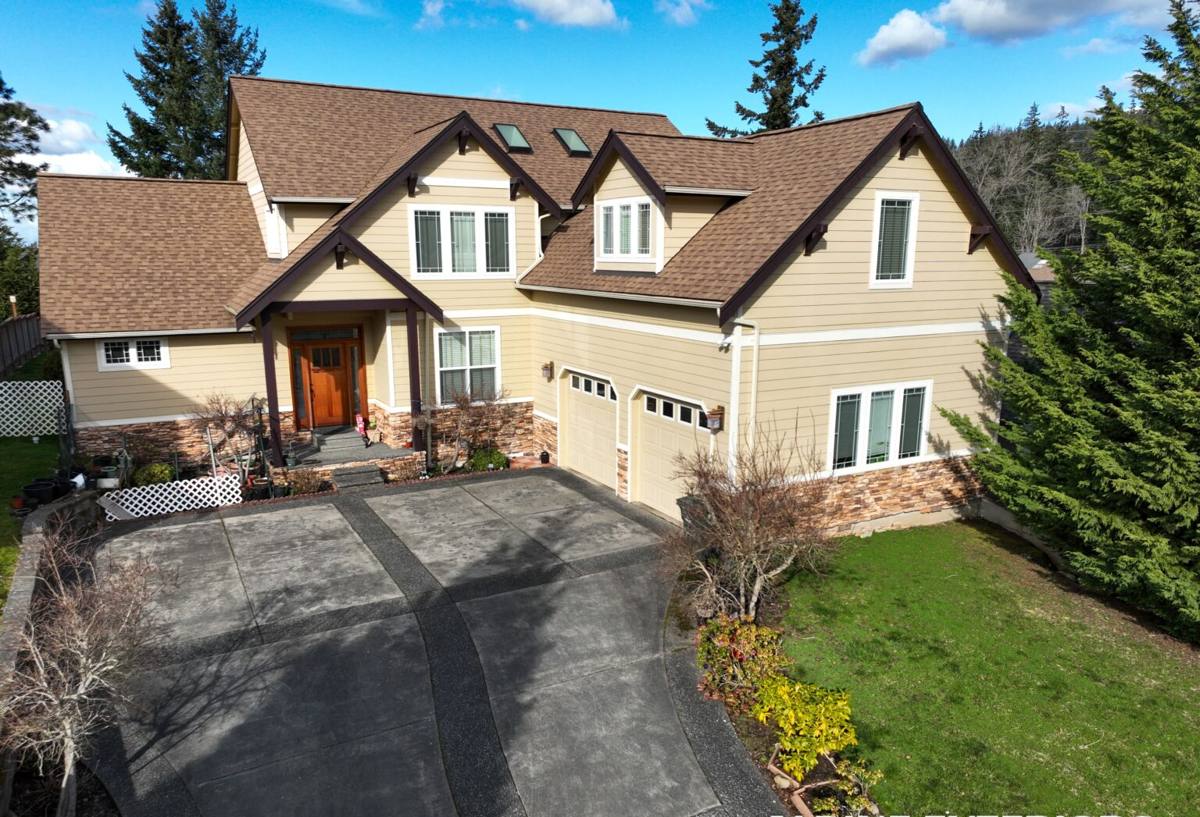
Why Roofs Age Differently in This Part of Whatcom County
Whatcom County's location near the Salish Sea and the near-constant fall-through-spring rain shapes almost every roofing problem we diagnose in the Nooksack area. Three factors matter most.
A Long, Wet Moss Season
Shaded roof sections, north-facing slopes, and anywhere organic debris collects give moss the conditions it wants for most of the year. Moss isn't just a cosmetic issue — it holds moisture against the roofing material, lifts shingle edges as it grows, and slowly breaks down the granule surface that protects asphalt shingles from UV and water damage. By the time moss is visible from the ground, it's usually already done some damage underneath.
Driving Rain, Not Just Rain
Rain that falls straight down is relatively easy for a roof system to shed. Rain that's pushed sideways by wind is a different problem — it gets up under shingle tabs, around poorly sealed flashing, and into any gap that a calmer climate would never expose. Most of the leaks we trace back start at a flashing detail or a fastener, not a "hole in the roof."
Salt Air and Moisture Cycling
Being close to the water means metal components — flashing, fasteners, vent boots, gutter hardware — corrode faster here than they would further inland. Combined with the repeated wet-dry cycling through the seasons, this accelerates wear on exactly the small parts that keep a roof watertight, even when the shingles themselves still look fine.
The Repair Problems We See Most Often Around Nooksack
- Flashing failure around chimneys, skylights, and roof-to-wall transitions — the single most common source of leaks we find
- Moss-lifted shingles along shaded slopes and roof valleys where debris and moisture collect
- Worn or cracked pipe boots where plumbing vents pass through the roof — rubber boots degrade faster in this climate than most homeowners expect
- Granule loss on aging asphalt shingles, often accelerated by moss and standing moisture
- Valley wear where two roof planes meet and water volume concentrates during heavy rain
- Nail pops and lifted tabs from wind-driven rain working shingles loose over time
- Gutter and edge damage that backs water up under the roof edge instead of away from the house
What a Correct Repair Actually Involves
A roof repair that holds up in this climate is not just "find the leak, seal it." Sealant alone is a short-term fix for a problem that usually has a mechanical cause. Here's what we actually do.
Diagnosis Before Anything Else
We trace the water, not just the stain. Interior leaks often show up several feet from where the water is actually entering the roof, because it travels along rafters or sheathing before dripping. We inspect the roof surface, flashing details, and attic space (when accessible) to find the real entry point before we touch anything.
Fixing the Cause, Not Just the Symptom
If flashing is the culprit, we replace or properly reseat it — we don't just caulk over failing metal. If shingles are damaged, we replace them with matching material rather than layering patches. If moss has lifted shingles, we treat and remove the growth as part of the repair, not as a separate afterthought, because leaving it means the same spot fails again next season.
Underlayment and Decking Check
Any time we open up a section of roof for repair, we check the underlayment and decking underneath. Persistent leaks in this climate often mean the underlayment has been compromised even if the shingles above look salvageable. Repairing shingles over damaged decking is a short-term fix that costs more later.
Matching the Fix to the Roof System
Repairs need to match the existing roofing material in type, weight, and where possible, color and age, so the patch performs the same way the surrounding roof does and doesn't create a new weak point at the seam.
Repair or Replace? An Honest Look
Not every roof problem in the Nooksack area needs a repair — and not every roof needs a full replacement either. We tell homeowners honestly which side of that line their roof is on.
| Signal | Usually Points to Repair | Usually Points to Replacement |
|---|---|---|
| Age of roof | Under 15-20 years, isolated issue | Near or past expected lifespan, widespread wear |
| Extent of damage | Localized to one area or detail | Damage spread across multiple roof planes |
| Decking condition | Solid, dry sheathing under the affected area | Soft, rotted, or repeatedly wet decking |
| Shingle condition overall | Rest of roof still holding granules, flexible | Widespread granule loss, brittle shingles |
| Leak history | First occurrence or single known cause | Recurring leaks in different spots over time |
When a roof is genuinely repairable, we say so and repair it — a repair-first approach costs less and extends the life of a roof that still has good years left in it.
Our Repair Process, Start to Finish
1. On-Site Inspection
We walk the roof (or inspect from a lift when pitch or safety requires it) and check the attic space where accessible, so the diagnosis is based on what we actually see, not a guess from the ground.
2. Clear, Written Estimate
Before any work starts, you get a straightforward explanation of what's wrong, what we recommend, and what it costs. No pressure, no scare tactics about damage that isn't there.
3. The Repair Itself
We remove and replace only what needs it, matching materials and following manufacturer installation specs so the repair doesn't void any remaining warranty on the roof.
4. Cleanup and Debris Removal
Old shingles, flashing, nails, and moss debris get removed from the property — including a magnetic sweep of the ground near the work area for stray fasteners.
5. Follow-Up
We tell you what to watch for and, when relevant, what maintenance (like moss treatment) will keep the repaired area performing.
What Affects the Cost of a Roof Repair Here
| Factor | Why It Matters |
|---|---|
| Roof pitch and accessibility | Steeper or harder-to-access roofs take longer and require more safety setup |
| Type of damage | A single pipe boot replacement is a smaller job than reflashing a chimney |
| Extent of moss or moisture damage | Repairs that involve moss removal and decking checks take more time than a surface patch |
| Material match | Matching older or discontinued shingle styles can take more sourcing effort |
| Number of penetrations involved | Chimneys, skylights, and multiple vents each add their own flashing detail to address |
We don't quote roof repairs sight unseen — every estimate is based on an actual look at your roof, because the cost factors above vary a lot from one house to the next, even within the same neighborhood.
Maintenance That Keeps a Repair From Becoming a Recurring Job
A well-done repair should last. What shortens its life in this climate is almost always neglected maintenance around it, not the repair itself.
- Keep gutters and downspouts clear so water isn't backing up under the roof edge
- Trim back branches that keep shaded roof sections damp and feed moss growth
- Have moss treated before it spreads, not after it's visibly lifting shingles
- Check flashing and pipe boots every couple of years, since they wear faster here than the shingles themselves
- Address small leaks immediately — a slow drip left over a wet season can compromise decking that was otherwise fine
- After any major windstorm, do a visual check for lifted or missing shingles
Why It Matters That We Already Work in the Nooksack Area
Roofing crews that don't work Whatcom County regularly tend to treat every job the same, regardless of climate. A crew that already knows this area knows which flashing details fail first in driving rain, which roof orientations get hit hardest by moss, and what corrosion on hardware near the water actually looks like versus normal wear. That's not a marketing point — it's the difference between a repair that gets diagnosed correctly the first time and one that gets patched, leaks again next season, and costs more overall.
We're a Blaine-based crew, and Nooksack and the surrounding communities are part of our regular service area — not a once-in-a-while drive-out. That means faster response, familiarity with the area's building stock, and a crew that's answerable to the same local reputation on every job.
What We Won't Do
We won't recommend a full roof replacement when a targeted repair will genuinely solve the problem — that's a decision that should save you money, not cost you more. We also won't do a quick sealant patch over a flashing or decking problem that needs real work, because in this climate that kind of shortcut fails fast, usually in the next hard rain.
If you've got a leak, moss buildup, or a roof section that's been bothering you, we're happy to take a look. Fill out the form below for a free, no-pressure estimate — we'll tell you honestly what's going on and what it'll take to fix it right.