 Blaine Window
 Deck Repair in Ferndale: Why Coastal Whatcom County Decks Wear Differently
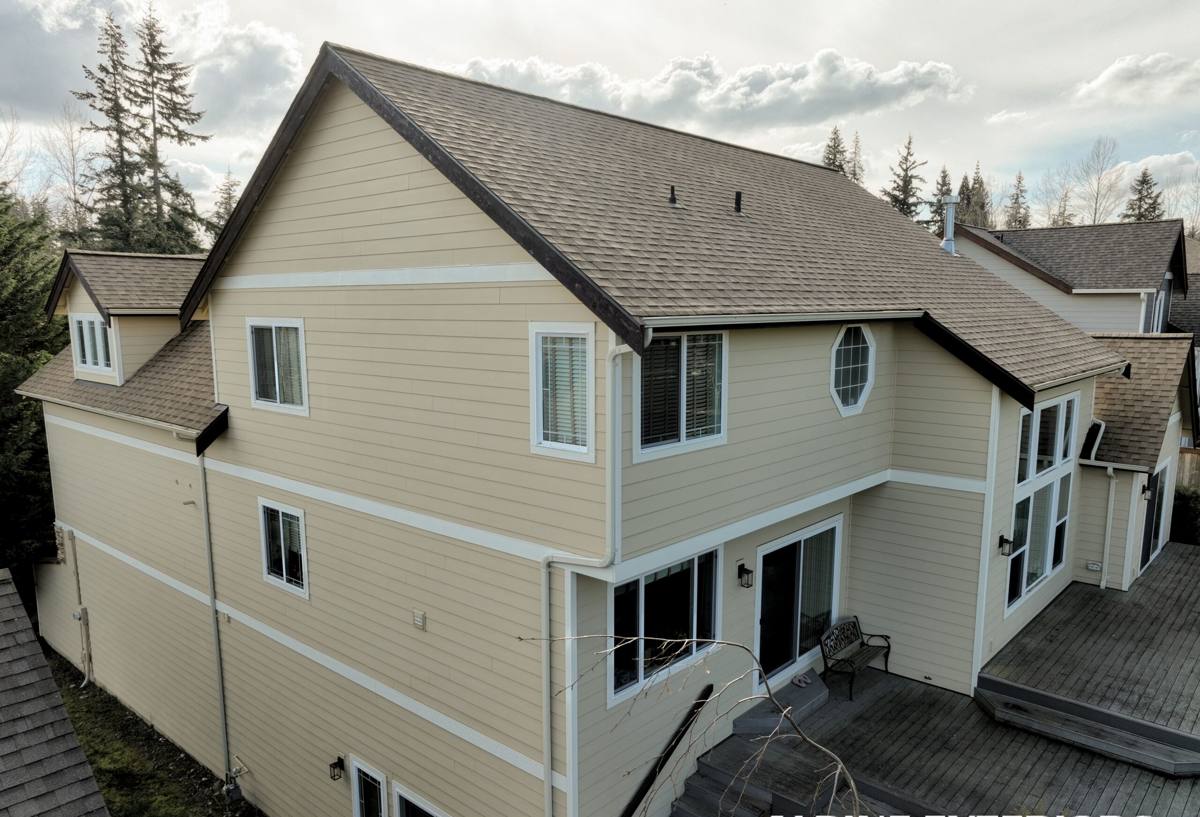
Ferndale sits close enough to the water and to Whatcom County's marine weather pattern that decks here take a different kind of beating than decks built further inland. Salt-laden air, rain that comes in sideways off storms moving through the county, and a moss season that can stretch across most of the year all work on a deck's horizontal surfaces in ways that show up as soft boards, loose railings, and corroded hardware well before a homeowner expects to need repairs. We work on decks throughout this part of Whatcom County, and Ferndale is regular territory for our crew, which matters because a lot of deck damage here has a specific, repeatable cause rather than just "old age."
This page is about deck repair specifically — not a full rebuild pitch, and not a generic list that could apply to any deck anywhere. It's about what actually goes wrong with decks in Ferndale's climate, what a correct repair involves, and how to tell a real fix from a patch job that just covers the problem back up.
What Ferndale's Climate Does to a Deck
Salt Air and Hardware Corrosion
Homes in and around Ferndale get a steadier dose of salt-influenced air than towns set further from the water. Salt accelerates corrosion on fasteners, joist hangers, and any exposed metal connector, and once those components start to rust and lose strength, the structural integrity of the deck is affected long before the decking boards themselves look bad on the surface. We see this constantly on repair calls: boards that look fine from above, sitting on hardware that's failing underneath.
Driving Rain and Standing Moisture
Storms moving through this part of Whatcom County don't just drop rain straight down — wind pushes it sideways and pools it on horizontal surfaces that don't drain or dry as fast as a vertical wall would. Ledger board connections, stair stringers, and any spot where two pieces of framing meet are where that moisture tends to collect and sit longest, and it's exactly where rot gets started even when the rest of the deck looks structurally sound.
A Long Moss Season
Mild, damp conditions for much of the year mean moss and algae growth season runs long on shaded decks and north-facing surfaces. Beyond being a slip hazard, moss holds moisture against the deck boards, which speeds up wood decay on untreated or under-maintained wood decking and can shorten the life of composite boards that aren't cleaned regularly. Tree cover, common on a lot of Ferndale lots, makes this worse.
Common Deck Problems We Find on Ferndale Repair Calls
- Soft or spongy decking boards: Usually a sign of trapped moisture and early wood rot, most often on boards that don't get much sun or airflow underneath.
- Loose or wobbly railings: Often caused by corroded fasteners or a post connection that was never properly through-bolted to begin with.
- Rust staining around fasteners: A visible warning sign that hardware is corroding faster than it should, sometimes from the wrong fastener type being used in the original build.
- Gaps or separation at the ledger board: Where the deck attaches to the house — a critical structural connection and one of the most common places we find hidden water damage.
- Stair and stringer wear: Stairs take more direct foot traffic and weather exposure than the deck surface, so stringers and treads often need attention before the rest of the deck does.
- Moss buildup on shaded boards: A maintenance issue that can become a structural one if it's left long enough to hold moisture against the wood.
Repair vs. Replacement: How We Make the Call
Not every deck problem means starting over, and not every deck problem is fixable with a few new boards either. The honest answer depends on what's actually happening underneath the surface, which is why we don't quote deck repair work sight unseen.
| Situation | Typical Approach | Why |
|---|---|---|
| Isolated soft boards, sound framing underneath | Board replacement | The structure is fine; only the decking surface has failed |
| Corroded hardware, boards still solid | Hardware and fastener replacement | Catching corrosion early protects the boards from becoming a bigger problem |
| Rot at the ledger board connection | Ledger repair or rebuild, code-compliant flashing | This connection carries real structural load and can't be patched superficially |
| Widespread rot across multiple framing members | Partial or full rebuild | Repairing around failed structural framing isn't a safe long-term fix |
| Railings that don't meet current code | Railing replacement | Older decks sometimes predate current height and spacing requirements |
These are general patterns, not a diagnosis for your specific deck. We walk the property, get underneath the deck where we can, and check the framing and connections directly before recommending a repair scope. A deck that looks fine from the top can be hiding a ledger board problem, and a deck that looks rough on the surface can sometimes be a straightforward board swap once we're actually looking at the framing.
What a Correct Deck Repair Involves
A repair that only replaces what's visible from the top tends to come back as a repeat problem within a few seasons, especially in a climate like Ferndale's. The details that matter most:
- Checking the ledger board connection first: Since this is a common point of hidden water intrusion, we don't consider a repair complete without confirming it's sound and properly flashed.
- Corrosion-resistant fasteners and hardware: Matching hardware to the coastal, salt-air conditions here rather than using whatever generic fastener happens to be on the truck.
- Matching or compatible decking material: Whether the existing deck is wood or composite, replacement boards need to handle moisture and weathering consistently with what's already there.
- Proper board spacing and drainage: Gaps that are too tight trap moisture and speed up rot and moss growth; correct spacing lets the deck actually dry out between rain events.
- Structural framing inspected, not assumed sound: We check joists, beams, and posts underneath rather than only addressing what's visible from standing on the deck surface.
- Code-compliant railings and stairs: Especially relevant on older decks, where railing height and baluster spacing may not meet current requirements.
Wood Decking vs. Composite: Repair Considerations
Wood decking is generally more straightforward and often less expensive to spot-repair, since individual boards can be replaced without matching a manufactured product line exactly. It also requires more consistent maintenance — cleaning, sealing, and moss control — to hold up through Whatcom County's wet season. Composite decking resists rot and moss better on the board itself, but repairs sometimes mean matching a specific product line and color, which can be harder if the original material is discontinued or has faded over the years. Either material can develop problems at the framing and hardware level regardless of what the surface boards are made of, which is why we treat those structural checks the same way on both.
Our Deck Repair Process
- On-site inspection: We walk the deck surface and get underneath it where access allows, checking framing, ledger connection, hardware, and any visible signs of rot or corrosion.
- Honest scope and estimate: We explain what we found, what actually needs to be repaired versus what's cosmetic, and give a written scope before any work starts.
- Repair or rebuild as needed: Work is done to correct the actual problem, not just to cover a symptom, using fasteners and materials appropriate for this climate.
- Final check: We confirm railings, stairs, and structural connections meet current safety expectations before calling the job finished.
Checklist: Signs Your Ferndale Deck Needs Repair
- Boards that feel spongy, soft, or flex noticeably underfoot
- Railings or posts that wobble or shift when you lean on them
- Visible rust staining around screws, bolts, or brackets
- Gaps, cracking, or staining where the deck meets the house
- Persistent moss or algae on shaded boards or stair treads
- Stairs that feel less stable than the rest of the deck
- Visible daylight or separation between framing members underneath
If any of these sound familiar, it's worth having someone look at the deck before the next wet season adds to the damage — moisture problems in this climate tend to get worse, not better, on their own.
Timing a Deck Repair Around Whatcom County's Weather
Whatcom County's wettest stretch generally runs from late fall through winter, and repair work, especially anything involving new lumber, fasteners, or sealants, goes better when it can be done in drier conditions. Spring and summer tend to be the more practical window for deck repair and rebuild work in this area. That said, if you're seeing active rot, a wobbling railing, or hardware failure, it's worth addressing on its own timeline rather than waiting for the ideal season — a soft board or loose railing is a safety issue, not just a cosmetic one.
Why Hiring a Crew That Already Works in Ferndale Matters
Deck repair looks similar on paper everywhere, but the actual failure patterns are regional. A crew that mostly works drier, inland climates may not think to check a ledger board connection first, or may not have a strong sense for which fasteners hold up against salt air over time. Working regularly in Ferndale and the surrounding parts of Whatcom County means we've seen how these decks fail here specifically, not in a generic climate, and we bring that pattern recognition to every inspection rather than treating each deck as a blank slate.
If your deck is showing soft spots, loose railings, or general wear and you want an honest read on what it actually needs, we're glad to take a look. Reach out below for a free, no-pressure estimate.