 Blaine Window
 Building Decks for Custer That Hold Up to Coastal Weather
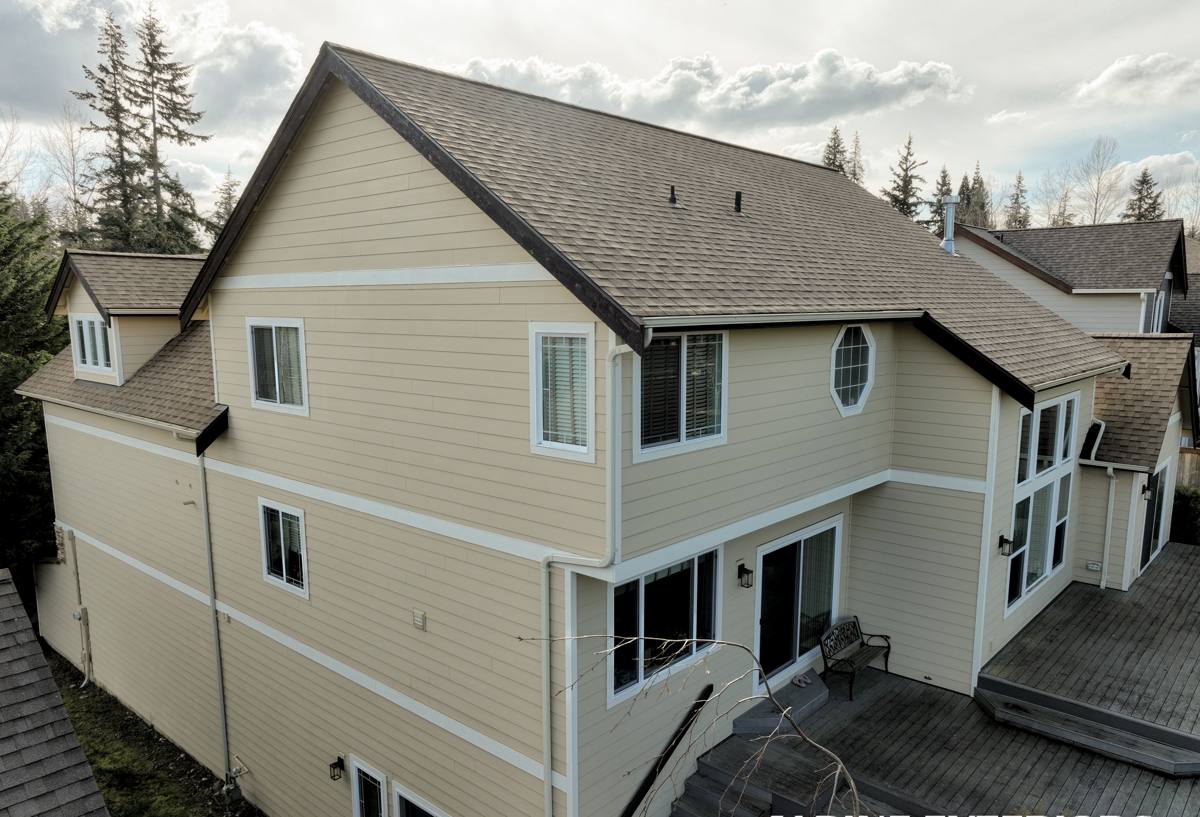
Custer sits close enough to the water and open farmland that decks here take a different kind of beating than decks built twenty miles inland. Homes in this part of Whatcom County deal with salt-laden air blowing off the Strait, long stretches of driving rain through fall and winter, and a moss season that can run from October well into spring. A deck built with generic, big-box assumptions about "outdoor lumber" tends to show its age fast out here — soft spots at the ledger, corroded fasteners, green film on the boards by the second winter. A deck built for this specific environment holds its finish, its structure, and its footing for decades instead of years.
This page covers what actually goes into a custom deck built for a Custer property: material choices that make sense for salt air and moisture, framing and fastening details that keep water from doing quiet damage underneath the boards, and the maintenance realities of moss and slip risk. None of this is exotic — it's just done correctly, with the right materials in the right places.
What Salt Air, Rain, and Moss Actually Do to a Deck
Three separate stresses hit a Custer deck year-round, and each one attacks a different part of the structure:
- Salt air accelerates corrosion on any exposed metal — nails, screws, joist hangers, bolts — well before it visibly affects the wood or decking itself. A fastener rated for general exterior use inland can start rusting within a few seasons this close to the coast.
- Driving rain doesn't just fall straight down here; wind-driven rain gets pushed sideways and up under rail caps, into end-grain cuts, and behind ledger boards where it's never meant to sit. Standing water in the wrong spot is what rots framing from the inside, long before the surface boards look bad.
- Moss and algae need shade, moisture, and time — and Custer's overcast, wet winters supply all three. Moss doesn't just look bad; it holds moisture against the decking surface and turns boards slick, which is a real fall hazard on stairs and low-light areas under overhangs.
None of these are solved by simply picking a more expensive material. They're solved by design and installation choices — drainage, flashing, fastener selection, and airflow underneath the deck.
Choosing the Right Decking Material for a Custer Property
There's no single "best" decking material — there's the right material for your budget, your maintenance appetite, and how exposed your deck is to weather. Here's how the common options actually perform in this climate:
| Material | How it handles salt air & rain | Moss/algae behavior | Maintenance |
|---|---|---|---|
| Pressure-treated fir/hem-fir | Good if properly sealed and detailed; needs re-coating | Prone to growth without regular cleaning | Annual cleaning, re-seal every 1-2 years |
| Cedar | Naturally rot-resistant, but softens over time in constant wet | Moderate — still needs periodic cleaning | Re-oil or stain every 1-3 years |
| Capped composite | Excellent — doesn't absorb moisture or salt | Still gets a film in shaded, damp spots but wipes off easily | Occasional wash, no sealing |
| PVC decking | Excellent — fully synthetic, no wood cells to break down | Similar to composite, low grip loss when cleaned | Occasional wash, no sealing |
For homeowners who want the traditional look and are willing to keep up with re-oiling, cedar is still a solid choice here — it just needs to be treated like a real maintenance item, not a set-it-and-forget-it surface. For anyone who wants to spend weekends doing something other than deck upkeep, capped composite or PVC earns its higher upfront cost back in avoided maintenance, especially on decks that sit in shade for part of the day, which is common on tree-lined Custer lots.
A Note on Fasteners and Hardware
Whatever decking material you choose, the hardware underneath matters just as much. We use stainless steel or heavy hot-dip galvanized fasteners and connectors rated for coastal exposure — not the standard exterior-grade hardware that's fine forty miles inland but starts streaking and weakening near the water. This is one of the areas where cutting corners doesn't show up for a few years, and then shows up all at once as a structural problem instead of a cosmetic one.
Framing and Footings Built to Last, Not Just Pass Inspection
The framing is the part of a deck nobody sees after the build, which is exactly why it's the part most likely to get shortcut. A few details we don't skip:
- Ledger flashing: Where the deck attaches to the house, proper flashing keeps water from tracking behind the siding and into the rim joist — a common source of hidden rot on older decks that were never flashed correctly.
- Joist tape: A self-adhering membrane over the top of every joist keeps deck screws from creating a wicking point where water sits in the fastener hole and slowly rots the wood from the inside out.
- Footings sized for our soil and frost conditions: Concrete footings set below frost depth and sized to the actual load of the structure — not undersized to save a bag of concrete.
- Airflow underneath: Enough clearance and, where needed, venting so the underside of the deck can actually dry out between rain events instead of staying damp for weeks.
These details cost more in labor than in materials, which is exactly why they're the first things skipped by a crew pricing to win the bid instead of pricing to build the deck right.
Design Choices That Reduce Moss and Slip Risk
You can't eliminate moss in a climate this wet, but you can design a deck that fights it instead of inviting it:
- Board spacing and gapping that lets water drain through instead of pooling on the surface
- Grooved or lightly textured decking surfaces in shaded areas for better footing when boards are damp
- Layout choices that avoid trapping standing water against the house or a fence line where sun never reaches
- Stair treads and landings treated as higher-priority cleaning zones, since that's where a slip actually matters
We'll talk through your yard's actual sun and shade pattern during design — a deck that gets full afternoon sun needs far less moss management than one tucked under fir trees, which is a common layout on Custer lots with mature tree cover.
Railings and the Small Hardware That Makes or Breaks a Deck
Railing systems take direct weather exposure and constant hand contact, so they need to be both durable and genuinely solid — not just code-compliant on paper. We build railing posts with real structural attachment to the framing (not just surface-screwed to decking), use corrosion-resistant hardware throughout, and cap any horizontal surfaces in a way that sheds water instead of collecting it. Metal cable or rod railing systems look great but require careful hardware selection out here — cheap cable ends corrode fast in salt air, so we spec components rated for it.
Permits and Whatcom County Requirements
Most custom decks of meaningful size — especially any deck attached to the house or elevated above a certain height — require a permit through Whatcom County. Permitting isn't a formality to route around; it's what confirms your footings, framing spans, and railing heights actually meet code for the loads and conditions our area sees. We handle the permit process as part of the job, including working with inspectors on footing and framing inspections before decking goes down, so you're not left managing that on your own.
Our Process for a Custer Deck Build
Every project starts with an on-site visit, not a phone estimate. We walk the actual space, look at sun and shade exposure, drainage patterns, and how the deck will tie into the house, then talk through material options honestly — including the trade-offs, not just the upsell. From there:
- Design and material selection based on your budget and how much upkeep you actually want to do
- Permit drawings and submission to Whatcom County where required
- Demo of any existing structure, footings, and framing built to the details above
- Decking, railing, and hardware installation
- Final walkthrough covering how to care for your specific decking material
We're straightforward about timelines up front, including how weather windows can shift a schedule — pouring footings and framing during a stretch of steady rain isn't something we rush just to hit a date.
Keeping Your New Deck in Good Shape
A well-built deck still needs some seasonal attention, especially in this climate. A simple maintenance rhythm goes a long way:
- Sweep debris off the deck regularly, especially fir needles and leaves that trap moisture
- Clean visible moss or algae film before it builds up, particularly on stairs and shaded areas
- Check and re-seal or re-oil wood decking on the schedule appropriate to that species
- Inspect railing hardware annually for any early signs of corrosion
- Confirm gutters and downspouts near the deck aren't dumping extra water onto or under the structure
If you're planning a new deck, a replacement, or an addition to an existing one in Custer, we're happy to come take a look and give you a straightforward, no-pressure estimate — just fill out the form below.